
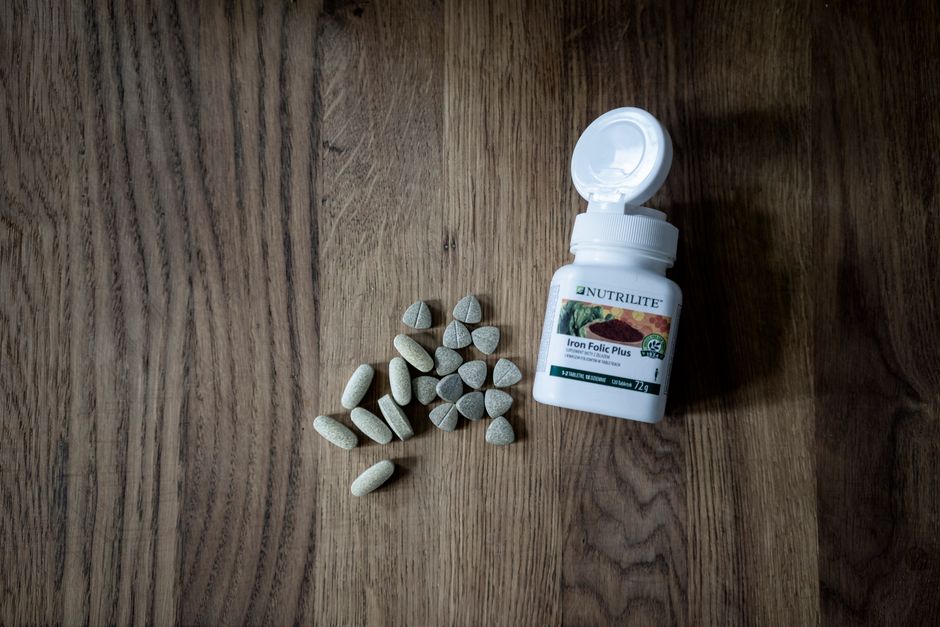
Vitamin B complex with iron is a supplement combination that supplies the eight B vitamins alongside the mineral iron. It is used most often to prevent or treat two specific problems: B vitamin deficiencies and iron deficiency anemia. The two are frequently bundled because they both affect how your body makes red blood cells and produces energy — but they are not the same nutrient, and they do not fix the same problems.
What Is Vitamin B Complex With Iron Good For?
The short answer: it covers two separate nutritional needs in one product. The B vitamins are a group of eight water-soluble vitamins — B1 (thiamine), B2 (riboflavin), B3 (niacin), B5 (pantothenic acid), B6 (pyridoxine), B7 (biotin), B9 (folate), and B12 (cobalamin). Iron is a mineral your body uses to build hemoglobin, the protein in red blood cells that carries oxygen.
When a person is deficient in either B vitamins or iron, the results can look similar on the surface — fatigue, weakness, trouble concentrating. That overlap is one reason the two are often sold together. But a supplement only helps if you actually need what is in it. Taking iron when your iron levels are normal does not boost energy. Taking B vitamins when you are not deficient does not sharpen thinking.
So the honest answer to what this combination is good for is narrower than the marketing suggests: it is useful when a person has a documented or likely deficiency in one or both. It is not a general energy booster for healthy people eating a varied diet.
What Do the B Vitamins Actually Do?
The B vitamins work as coenzymes — helper molecules that let hundreds of chemical reactions run in your body. They help convert food into usable energy, build and repair DNA, and support the nervous system.
Each one has a specific job. B12 and folate work together to help make red blood cells and maintain the protective coating around nerves. B6 helps process amino acids and supports immune function. B1, B2, B3, and B5 are involved in turning carbohydrates, fats, and protein into energy. Biotin plays a role in metabolizing fats and sugars.
Because they are water-soluble, your body does not store most B vitamins in large amounts. You need a steady supply from food. That said, true deficiency in a well-fed adult is uncommon in the United States, where many grains and cereals are fortified.
The people most likely to fall short are those with limited diets, older adults who absorb B12 less efficiently, people who have had certain types of stomach or intestinal surgery, and people who follow strict vegan diets for years without supplementation. B12 occurs naturally almost exclusively in animal foods, so long-term vegans are a group where deficiency is a real concern.
What Does Iron Do, and Who Actually Needs More?
Iron is central to oxygen transport. About 70 percent of the iron in your body is in hemoglobin, which picks up oxygen in the lungs and delivers it to tissues. Iron is also stored in the liver, spleen, and bone marrow, and a small amount is used in muscles and enzymes.
The body tightly regulates iron. Unlike B vitamins, it has no active way to get rid of excess iron — it is lost mainly through shedding of skin and gut cells, and through menstrual bleeding in people who menstruate. That is why too much iron is genuinely dangerous and why supplementation should not be casual.
Iron deficiency is one of the most common nutritional deficiencies worldwide. In the US, the groups at highest risk include:
- People who menstruate, especially with heavy periods
- Pregnant people, whose iron needs rise substantially
- Infants and young children during rapid growth
- People with celiac disease, inflammatory bowel disease, or other conditions that reduce iron absorption
- Frequent blood donors
Iron deficiency anemia is diagnosed with blood tests, typically including hemoglobin, ferritin (a measure of stored iron), and sometimes other markers. Symptoms can include fatigue, pale skin, shortness of breath on exertion, and cold hands and feet. But fatigue alone is not a reliable sign — many conditions cause it.





Why Are They Sold Together?
There is a logical reason. Both B12 and folate are needed for red blood cell production, and iron is needed to make hemoglobin. A person with anemia may be low in more than one nutrient. Some clinical situations — pregnancy, for example — raise demand for both folate and iron at the same time.
But the combination is also a marketing convenience. Bundling nutrients lets a product claim to support “energy” and “blood health” without needing to prove that any individual buyer is deficient. A multivitamin-style B complex with iron is not a targeted treatment. If a doctor has identified a specific deficiency, they usually recommend the specific nutrient at the right dose rather than a broad blend.
One non-obvious point: the B vitamins in these products are often present at levels far above the daily requirement. Because they are water-soluble, excess amounts are mostly excreted in urine — which is why high-dose B supplements can turn urine bright yellow. That is harmless. It does not mean the extra vitamins are doing extra work.
Are There Risks or Interactions to Know About?
Yes, and they matter more for iron than for most B vitamins.
Iron supplements can cause constipation, nausea, stomach pain, and dark stools. Taking them with food can ease stomach upset but may reduce absorption. Vitamin C enhances iron absorption, which is why some products pair them. Calcium, on the other hand, can interfere with iron absorption, so many clinicians suggest separating iron from calcium-rich foods or supplements.
Iron overdose is a serious medical emergency, particularly for young children. Keep iron supplements out of reach, and never give adult iron doses to a child. If you suspect an overdose, seek emergency care immediately.
Some B vitamins carry their own cautions at high doses. Very high doses of B6 over long periods have been linked to nerve damage. High-dose folate can mask the blood changes of a B12 deficiency while the underlying nerve damage continues — a real clinical concern.
Iron can also interact with certain medications, including some antibiotics and thyroid medicines, reducing how well they are absorbed. Timing matters. If you take prescription drugs, ask a pharmacist before adding an iron supplement.
Should You Take Vitamin B Complex With Iron?
Only if you have a reason to. The evidence supports supplementation when there is a documented deficiency, a known high risk of one, or a clinical situation — like pregnancy — where needs are elevated. It does not support routine use by healthy adults who eat a varied diet.
Before starting, the useful step is a blood test. Ferritin, hemoglobin, and B12 levels tell you whether you actually need iron or specific B vitamins. Taking iron you do not need does not help and can cause harm over time. Taking B vitamins you do not need mostly produces expensive urine.
If testing shows a deficiency, the right dose and form depend on the cause and severity. That is a conversation with a clinician, not a decision to make from a label. Food sources — meat, poultry, beans, lentils, leafy greens, fortified cereals, and for B12, animal products or fortified foods — remain the foundation for most people.
Frequently Asked Questions
Does vitamin B complex with iron give you energy?
It can help restore energy if you have a deficiency in B vitamins or iron, since both are needed for normal red blood cell function. In people who are not deficient, it does not increase energy levels.
Who should not take iron supplements?
People with normal iron levels, and those with conditions that cause iron overload such as hemochromatosis, should generally avoid iron supplements unless a clinician advises otherwise. Iron is not easily excreted, so excess can build up and cause harm.
Can I take vitamin B complex with iron on an empty stomach?
Iron is absorbed better on an empty stomach, but it often causes nausea or stomach upset that way. Taking it with a small amount of food can reduce discomfort, though it may lower absorption somewhat.
How do I know if I need iron or B12?
Blood tests are the only reliable way to know. A ferritin and hemoglobin test checks iron status, and a B12 level checks for B12 deficiency; symptoms alone are not specific enough to tell them apart.
