
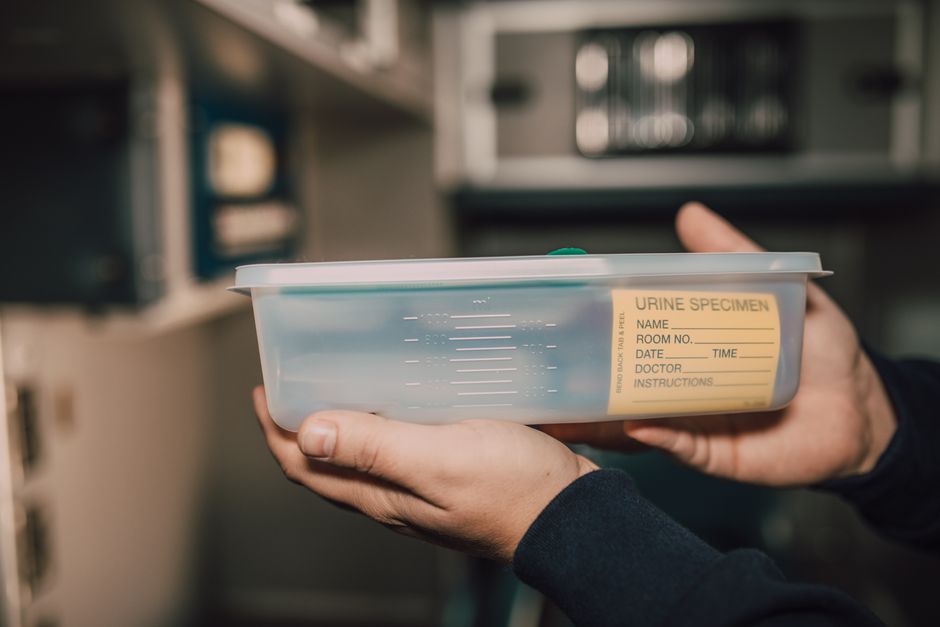
A urinalysis test is a simple examination of your urine that checks for signs of illness or conditions affecting your health. It looks at the color, appearance, and chemical content of your urine, along with what is visible under a microscope. Doctors use it to screen for issues, help diagnose diseases, or monitor conditions like diabetes or kidney disease.
What Is Urinalysis Test? Definition and Purpose
A urinalysis is one of the most common medical tests performed. It examines a sample of your urine to detect substances that should not be there, or to measure levels of things that should be. The test itself is painless, quick, and requires nothing more than providing a small sample in a sterile cup.
Doctors order urinalysis for three main reasons. The first is a routine health screening, often as part of an annual physical. The second is to help diagnose a medical condition if you have symptoms like abdominal pain, back pain, or painful urination. The third is to monitor a known condition, such as kidney disease, diabetes, or a urinary tract infection.
The test provides a snapshot of your metabolic health. Your kidneys filter your blood and produce urine, so the contents of that urine can tell a doctor a great deal about how well your body is functioning.
How Is a Urinalysis Performed?
The process is straightforward. You will be given a sterile plastic cup and asked to provide a urine sample. In many cases, a doctor will request a “clean catch” sample. This means you clean the genital area with a wipe, start urinating, stop briefly, and then collect the middle portion of the stream into the cup. This reduces the chance of bacteria or cells from your skin contaminating the sample.
Once the lab receives your sample, it goes through three separate evaluations. The first is a visual inspection, where a technician notes the color and clarity. The second is a chemical analysis using a dipstick — a thin plastic strip with colored pads that change color when they react with specific substances. The third is a microscopic exam, where a technician looks at a small drop of the urine under a microscope to identify cells, crystals, or other particles.
Results are often available within one to two hours if the test is done in a clinic lab. If the sample is sent to an off-site laboratory, results may take a day or more.
What Does the Visual Exam Show?
The visual exam is the first part of a urinalysis. A technician records the color and whether the urine is clear, cloudy, or turbid.
Normal urine is pale yellow to amber. The color comes from a pigment called urochrome. Clear urine often simply means you are well hydrated. Dark yellow or amber urine usually indicates dehydration. Certain foods can change urine color — beets can turn it pink or red, and asparagus can make it greenish. Some medications also change urine color, which is usually harmless.
Cloudy urine can be a sign of infection, but it is not always. It can also result from normal discharge, sperm, or certain foods. Red or brown urine may indicate blood, but it can also come from eating beets or taking certain medications. The visual exam alone is never enough to diagnose a condition — it simply guides the next steps.




What Does the Chemical Dipstick Test Measure?
The dipstick test is the most informative part of a standard urinalysis. The strip contains small pads that detect specific chemicals in the urine. Each pad changes color if the substance is present at a certain level. The technician compares the colors to a chart to determine results.
Common dipstick measurements include:
- pH — measures how acidic or alkaline your urine is. Normal range is roughly 4.5 to 8. Certain diets, kidney stones, and infections can shift this.
- Protein — small amounts can be normal, but higher levels may signal kidney damage or disease.
- Glucose — sugar in the urine is not normal and can indicate diabetes.
- Ketones — these are acids produced when the body burns fat for energy. They appear in uncontrolled diabetes, fasting, or very low-carbohydrate diets.
- Leukocyte esterase — an enzyme found in white blood cells. Its presence suggests infection or inflammation.
- Nitrites — some bacteria convert nitrates to nitrites. Positive nitrites strongly suggest a urinary tract infection.
- Blood — the dipstick detects hemoglobin. Blood in urine can come from infections, kidney stones, injury, or other conditions.
- Bilirubin — a waste product from the liver. Its presence can indicate liver disease.
Each of these markers has a specific meaning. A doctor interprets them together, not in isolation. One abnormal reading on its own rarely confirms a diagnosis.
What Does the Microscopic Exam Look For?
If the dipstick shows anything abnormal, or if a doctor requests it, a technician examines the urine under a microscope. This can identify solid materials that chemical tests cannot detect.
The microscopic exam looks for several things:
- Red blood cells — more than a few may indicate bleeding in the urinary tract.
- White blood cells — elevated numbers suggest infection or inflammation.
- Bacteria — visible bacteria usually confirm a urinary tract infection.
- Casts — these are tube-shaped proteins that form in the kidney tubules. Certain types can indicate kidney disease.
- Crystals — these can be normal, but specific types may suggest kidney stones or metabolic disorders.
- Epithelial cells — some are normal; clumps of certain types may indicate infection or other issues.
Not every urinalysis includes a microscopic exam. It is often performed only when the dipstick shows abnormalities, or when a doctor specifically orders it based on symptoms.
How Do You Prepare for a Urinalysis?
Preparation is minimal. You do not need to fast or change your diet. However, a few simple steps can improve accuracy.
Drink a normal amount of water beforehand. Being severely dehydrated concentrates your urine and can produce misleading results. Avoid intense exercise right before the test, as it can temporarily increase protein levels in urine. Tell your doctor about any medications, vitamins, or supplements you take, since some can affect test results.
If you are menstruating, let your doctor or the lab know. Menstrual blood can contaminate a urine sample and produce false positives for blood. For the most accurate results, some doctors recommend scheduling the test for a few days after your period ends.
For women, it is also important to avoid vaginal creams or douches before the test, as these can interfere with results.
What Do Abnormal Results Mean?
An abnormal result does not automatically mean you have a disease. Many factors can cause a single abnormal reading, including diet, exercise, medications, and even the time of day the sample was collected. Doctors rarely make a diagnosis based on a urinalysis alone.
Some abnormal findings strongly point to specific conditions. Glucose in the urine, for example, usually suggests diabetes and prompts a blood sugar test for confirmation. Nitrites and leukocyte esterase together strongly suggest a urinary tract infection. High protein levels may indicate kidney disease, but a doctor will typically order follow-up tests to confirm.
Sometimes a doctor will repeat the urinalysis to see if the abnormality persists. A single finding that disappears on a second test is often harmless. Persistent abnormalities require further investigation.
What Are the Limitations of a Urinalysis?
A urinalysis is a screening tool, not a definitive diagnostic test. It can tell a doctor that something may be wrong, but it rarely tells them exactly what is wrong. Most abnormal results require follow-up testing — blood tests, imaging, or more specific urine tests — to establish a diagnosis.
The test also has a margin of error. Samples can be contaminated, mishandled, or tested incorrectly. The dipstick portion is sensitive but not perfectly specific. Certain substances can cause false positives or false negatives. For example, vitamin C supplements can interfere with some dipstick measurements, and highly diluted urine can hide abnormalities.
This is why doctors interpret urinalysis results in the context of your symptoms, medical history, and other test results. A urinalysis is a starting point, not an end point.
When Should You See a Doctor?
You should see a doctor if you notice changes in your urine that persist for more than a day or two. These include pain or burning during urination, frequent urge to urinate, blood in the urine, foamy urine, or a strong and unusual odor. Lower back pain or abdominal pain combined with urinary symptoms also warrants a medical visit.
These symptoms do not automatically mean you have a serious condition. Many are caused by minor infections that resolve with treatment. But they deserve evaluation. A urinalysis is often the first test a doctor orders to determine the cause.
Frequently Asked Questions
Is a urinalysis the same as a urine culture?
No. A urinalysis is a screening test that checks for general abnormalities. A urine culture grows bacteria from the sample to identify a specific infection and determine which antibiotics will treat it.
Can a urinalysis detect kidney disease?
It can suggest kidney disease if protein, blood, or abnormal casts appear in the urine, but it cannot diagnose the condition on its own. Doctors use blood tests, imaging, and sometimes a kidney biopsy to confirm kidney disease.
Does a urinalysis show if you are pregnant?
A standard urinalysis does not test for pregnancy. Pregnancy tests detect the hormone hCG, which requires a separate test specifically designed for that purpose.
How long do urinalysis results take?
If the test is done in a clinic or hospital lab, results are often available within one to two hours. If the sample is sent to an outside laboratory, results may take up to two days.
