
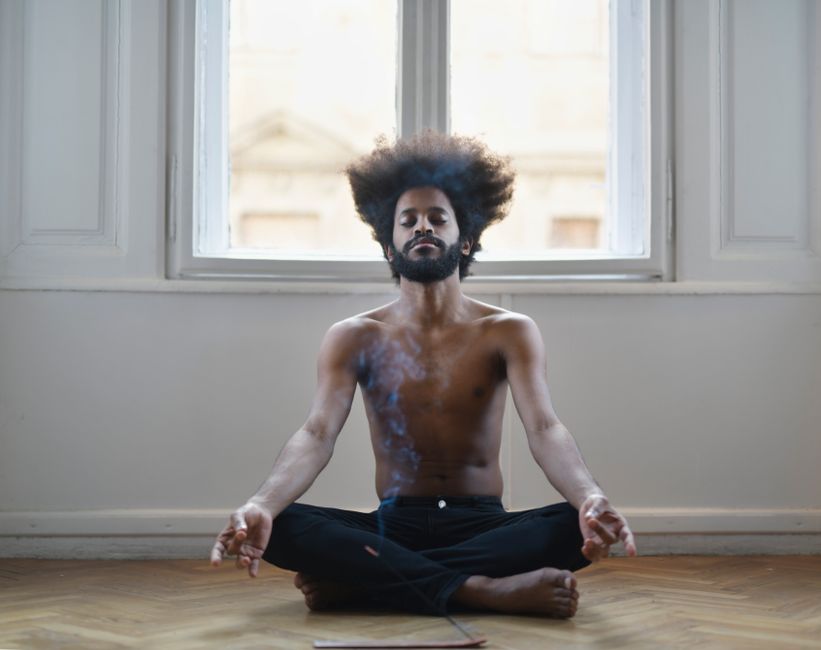
Ujjayi breath is a breathing technique from the yoga tradition often called “ocean breath” or “victorious breath.” You make a soft hissing sound in the back of your throat while breathing in and out through your nose. It is used during yoga practice and meditation to focus the mind, regulate the pace of breathing, and create a steady rhythm that connects movement to breath.
What Is Ujjayi Breath Benefits And How To Do It?
Ujjayi breath involves a gentle constriction of the throat that creates an audible sound similar to ocean waves. The sound comes from air passing through a partially closed glottis, which is the space between your vocal cords. You breathe only through the nose, keeping the mouth closed throughout the practice.
The technique has been used in yoga traditions for centuries. It is a core component of many styles of yoga, particularly Ashtanga and Vinyasa flow. The breath serves as an anchor for attention, giving practitioners something to focus on during physical movement or stillness.
How Do You Perform Ujjayi Breath Correctly?
Start by sitting comfortably with your spine tall or lying on your back. Close your mouth and breathe in and out through your nose normally for a few breaths to establish a baseline.
To create the ujjayi sound, imagine you are trying to fog up a mirror with your mouth open, but keep your lips closed. The constriction happens in the throat, not the nose or chest. You should hear a soft, whisper-like hiss on both the inhale and the exhale.
Practice these steps in order:
- Inhale through your nose with your mouth closed, gently constricting the back of your throat.
- Exhale through your nose, maintaining the same throat constriction.
- Keep the breath smooth and even — no pauses, gasps, or forced effort.
- Let the length of your inhale match the length of your exhale.
If you are new to the technique, start with five to ten breaths and gradually increase the duration. There is no official guideline for how long to practice. Many yoga classes use ujjayi breath throughout a 60-minute session, but beginners should build up tolerance slowly.
What Are the Documented Benefits of Ujjayi Breath?
Research on ujjayi breath is limited compared to other breathing techniques, but some studies have found measurable effects. The evidence supports benefits for attention, stress reduction, and certain physiological measures like heart rate and blood pressure, though results vary.
One consistent finding is that slow, controlled breathing activates the parasympathetic nervous system — the branch of the nervous system responsible for rest and digestion. Ujjayi breath, by nature, slows your breathing rate. This alone can trigger a relaxation response.
Some research suggests that the audible sound of ujjayi breath helps maintain a steady breathing rhythm. When you can hear your breath, you naturally match its pace. This auditory feedback may improve focus and reduce distraction during meditation or exercise.
A small number of studies have examined ujjayi breath specifically. Some indicate improvements in attention and cognitive performance after practice. Others show reductions in perceived stress and anxiety. However, many of these studies are small, and the quality of evidence is not strong enough to make definitive claims.





Does Ujjayi Breath Lower Blood Pressure or Heart Rate?
Slow breathing in general has been shown to lower blood pressure and heart rate in some studies. The effect appears strongest when breathing is slow — around six breaths per minute — and when the exhale is longer than the inhale.
Ujjayi breath does not have a fixed rate. You can practice it fast or slow. When practiced slowly, it may produce similar cardiovascular effects to other slow-breathing techniques. When practiced quickly, such as during vigorous yoga, it will not lower heart rate — it may raise it.
No large clinical trials have specifically confirmed that ujjayi breath lowers blood pressure. The evidence is indirect, based on studies of slow breathing generally. If you have high blood pressure or a heart condition, talk to your doctor before using breathing techniques as a treatment.
Can Ujjayi Breath Help With Anxiety or Stress?
Some evidence suggests that breathing techniques can reduce symptoms of anxiety. This is one of the more consistent findings in breathing research. Slow, rhythmic breathing appears to influence the vagus nerve, which helps regulate the body’s stress response.
For ujjayi breath specifically, the evidence is more limited. Some small studies have found reduced anxiety scores after ujjayi practice. Others have shown no significant difference compared to normal breathing. The evidence is mixed, and results vary from person to person.
What is clear is that ujjayi breath is safe for most people and unlikely to cause harm. Many people report feeling calmer after practice, even if that feeling is not captured in research studies. Subjective experience matters, but it is not the same as proven clinical benefit.
Are There Any Risks or Precautions With Ujjayi Breath?
Ujjayi breath is generally safe for healthy adults. However, certain people should be cautious. If you have asthma, COPD, or any respiratory condition, the throat constriction may feel uncomfortable or trigger breathing difficulties. Stop if you feel short of breath or dizzy.
Pregnant women can practice ujjayi breath, but no clinical guidelines exist specifically for this population. The general advice in prenatal yoga is to avoid breath retention and to keep breathing comfortable rather than forced. If you feel lightheaded, stop and breathe normally.
People with low blood pressure should also be cautious. Slow breathing can temporarily lower blood pressure, which may cause dizziness in some individuals. If you experience lightheadedness, return to normal breathing immediately.
How Does Ujjayi Breath Compare to Other Breathing Techniques?
Ujjayi breath is one of several breathing techniques used in yoga and meditation. Each has a different purpose and mechanism.
| Technique | Primary Use | Key Feature |
|---|---|---|
| Ujjayi breath | Yoga practice, focus | Audible throat constriction |
| Diaphragmatic breathing | Relaxation, lung function | Belly rises on inhale |
| Box breathing | Stress management | Equal counts for inhale, hold, exhale, hold |
| Alternate nostril breathing | Calming, balance | Alternating nostrils |
Ujjayi breath is unique because of the audible sound. No other common breathing technique uses throat constriction in the same way. This makes it particularly useful for maintaining rhythm during physical movement, which is why it is central to flow-based yoga styles.
How Often Should You Practice Ujjayi Breath?
There is no established clinical guideline for how often to practice ujjayi breath. In yoga traditions, it is practiced during every session, which may be several times per week. Some practitioners use it daily during meditation.
For general wellness purposes, a few minutes of practice several times per week is a reasonable starting point. Consistency matters more than duration. Five minutes of daily practice is more beneficial than one hour once a month.
Listen to your body. If the throat feels sore or strained, you are constricting too much. The sound should be soft and effortless, not forced or raspy. Reduce the intensity of the constriction if you feel any discomfort.
What Does the Research Actually Say About Ujjayi Breath?
The honest answer is that research on ujjayi breath is still in early stages. The number of published studies is small, and many have methodological limitations. No large randomized controlled trials have examined ujjayi breath specifically.
What the evidence does support is that slow breathing generally has beneficial effects on stress, attention, and cardiovascular function. Ujjayi breath is a method of slow breathing, so it likely shares some of these benefits. But claiming ujjayi breath is uniquely effective would be overstating the evidence.
Some research suggests that the auditory component of ujjayi breath adds value beyond simple slow breathing. The sound provides real-time feedback on breath quality and rhythm. This may improve focus and make the practice more meditative. However, this has not been rigorously tested in controlled studies.
Common Mistakes When Learning Ujjayi Breath
The most common mistake is constricting the throat too much. This creates a harsh, strained sound and can cause throat irritation. The constriction should be subtle — imagine the sound of a sleeping person breathing quietly.
Another mistake is holding tension in the face, jaw, or shoulders. Ujjayi breath should be relaxing, not effortful. If you notice tension anywhere in your body, soften it. The only area that should be active is the throat.
Some beginners try to force the breath to be longer or deeper than is comfortable. This can lead to dizziness or hyperventilation. Let the breath find its own natural length. Over time, your lung capacity and breath control will improve on their own.
Frequently Asked Questions
Is ujjayi breath safe for beginners?
Yes, ujjayi breath is safe for most healthy beginners when practiced gently. Start with short sessions of five to ten breaths and stop if you feel dizzy or short of breath.
Can you do ujjayi breath with your mouth open?
No, ujjayi breath is performed with the mouth closed. The sound comes from the throat, not the mouth, and air moves only through the nose.
How long should I hold each breath with ujjayi?
There is no breath holding in ujjayi breath. It is a continuous, smooth inhale and exhale with no pauses between breaths.
Does ujjayi breath help with sleep?
Some people find slow ujjayi breath calming before bed, but no strong clinical evidence confirms it improves sleep quality. It may help by slowing your breathing and relaxing your body.
