
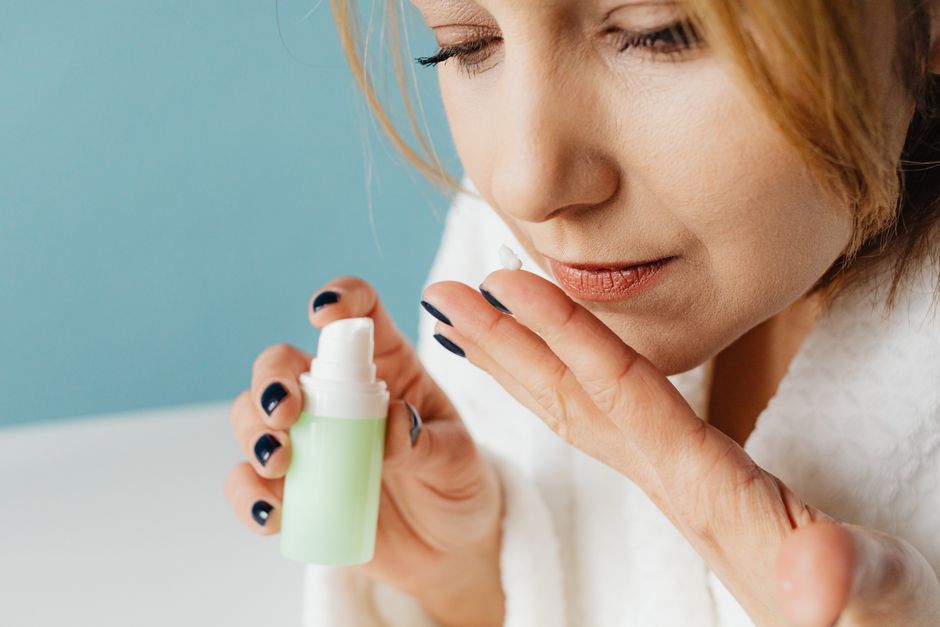
Tretinoin cream is a prescription medication made from a form of vitamin A. It is primarily used to treat acne and to reduce the appearance of fine lines, wrinkles, and dark spots on the skin. Dermatologists have prescribed it for decades because it speeds up skin cell turnover, which helps clear pores and reveals fresher skin underneath.
How Does Tretinoin Cream Work?
Tretinoin works by changing how your skin cells behave. It binds to specific receptors in the skin, which tells the cells to divide and mature faster than they normally would. This faster turnover pushes newer, healthier cells to the surface while older, damaged cells are shed more quickly.
For acne, this process helps prevent dead skin cells from mixing with oil and clogging hair follicles. For signs of aging, the increased cell turnover stimulates collagen production in the deeper layers of skin. Collagen is the structural protein that keeps skin firm and smooth, and its production naturally slows down as you age.
This mechanism takes time. You will not see results overnight. Skin needs a full cycle of cell turnover, which typically takes about four to six weeks, before visible improvement appears.
What Is Tretinoin Cream Used For?
Tretinoin cream has three main medical uses that are well supported by clinical evidence: acne, photodamage, and a skin condition called hyperpigmentation.
Acne is the most common reason doctors prescribe tretinoin. It treats both inflammatory acne (red, swollen pimples) and non-inflammatory acne (blackheads and whiteheads). Tretinoin is effective because it keeps pores clear by preventing the buildup of dead skin cells, which are a primary trigger for comedones.
Photodamage refers to skin damage caused by sun exposure. Studies have shown that tretinoin can reduce fine lines, improve skin texture, and fade some of the mottled pigmentation that comes with years of sun exposure. It does not repair all sun damage, and it cannot undo deep wrinkles or sagging skin.
Hyperpigmentation includes conditions like melasma and post-inflammatory hyperpigmentation, which are patches of darker skin. By accelerating cell turnover, tretinoin helps shed the pigmented cells more quickly. It is often combined with other ingredients like hydroquinone for better results.
What Strength of Tretinoin Cream Should You Use?
Tretinoin comes in several strengths, typically ranging from 0.025% to 0.1%. The right strength depends on your skin type, the condition being treated, and how your skin responds to the medication. Doctors usually start patients on a lower strength to let the skin adjust.
Higher strengths are not always better. A 0.1% cream may cause more irritation without providing significantly better results than a 0.05% cream. The goal is to find the lowest strength that works for your skin condition while minimizing side effects.
Your doctor will likely reassess your progress after several weeks and adjust the strength if needed. Do not increase your dose on your own. Using more than prescribed will not speed up results and will increase the risk of severe irritation.





How Should You Apply Tretinoin Cream?
Application technique matters more than most people realize. Tretinoin is a thin layer applied to completely dry skin. If your skin is damp, the medication absorbs more deeply and causes more irritation.
The standard advice is to wash your face, wait 20 to 30 minutes for your skin to dry completely, and then apply a pea-sized amount. A pea-sized amount is enough for the entire face. Using more does not increase effectiveness and does increase irritation.
Apply tretinoin only at night. Sunlight breaks down the medication and makes it less effective. In the morning, wash your face and apply a moisturizer and sunscreen. Sunscreen is not optional — tretinoin makes your skin more sensitive to UV damage, which can worsen the very pigmentation you are trying to treat.
Start with application every other night or every third night for the first few weeks. This gradual introduction helps your skin build tolerance. If you experience significant redness, peeling, or burning, reduce the frequency rather than stopping completely.
What Are the Side Effects of Tretinoin Cream?
The most common side effects are skin irritation, redness, dryness, flaking, and a burning or stinging sensation. These are most noticeable in the first two to four weeks of use. This period is often called the “retinoid purge” because acne may temporarily worsen before it improves.
These side effects are expected and usually manageable. Using a gentle moisturizer and a mild cleanser can reduce discomfort. Many dermatologists recommend the “sandwich method,” where you apply moisturizer, then tretinoin, then another layer of moisturizer to buffer the irritation.
More serious side effects are rare but possible. Severe allergic reactions, intense swelling, or blistering require immediate medical attention. If you experience any of these, stop using the cream and contact your doctor.
Tretinoin is not safe during pregnancy. Oral retinoids are known to cause birth defects, and while the risk from topical application is lower, the medication is not prescribed to pregnant women or those planning to become pregnant. If you become pregnant while using tretinoin, stop using it and inform your doctor.
How Long Until You See Results?
Acne typically improves within 8 to 12 weeks of consistent use. Some people see earlier improvement, but the full effect usually requires three months. For acne, tretinoin is often used as a long-term maintenance treatment, not a short-term fix.
For fine lines and photodamage, results take longer. Visible improvement usually appears after 3 to 6 months of nightly use. The maximum benefit may take up to a year. Once you stop using tretinoin, the improvements gradually fade over several months as your skin returns to its normal cell turnover rate.
Consistency is the single most important factor in seeing results. Missing several nights per week will significantly delay progress. If you are not seeing improvement after several months of consistent use, talk to your doctor about adjusting the strength or considering alternative treatments.
What Is the Difference Between Tretinoin and Retinol?
Tretinoin is a prescription medication. Retinol is a weaker, over-the-counter form of vitamin A. Both work through similar mechanisms, but they differ in potency and how quickly they convert in the skin.
Retinol must undergo a two-step conversion process in the skin to become the active form of vitamin A. Tretinoin is already in the active form, so it works faster and more powerfully. This is why tretinoin produces faster results but also more irritation.
Retinol products are a reasonable starting point for people with mild concerns or sensitive skin. However, for moderate to severe acne or significant photodamage, tretinoin is more effective. Some dermatologists suggest starting with retinol and transitioning to tretinoin if you need stronger results.
Frequently Asked Questions
Can you use tretinoin cream every night?
Most people can use tretinoin every night once their skin adjusts, but you should start with every other night or every third night for the first few weeks. If irritation persists, reduce frequency or talk to your doctor about a lower strength.
Does tretinoin cream help with acne scars?
Tretinoin can improve the appearance of shallow acne scars by increasing collagen production, but it does not treat deep or pitted scars. Deep scars typically require procedures like laser therapy or microneedling for meaningful improvement.
Can you use moisturizer with tretinoin cream?
Yes, you should use moisturizer with tretinoin. Tretinoin is drying and irritating, and a moisturizer helps reduce these side effects without reducing effectiveness.
Is tretinoin cream safe for all skin types?
Tretinoin can be used on all skin types, but people with darker skin or sensitive skin have a higher risk of irritation and pigmentation changes. A dermatologist can help you determine the right strength and application schedule for your skin type.
