
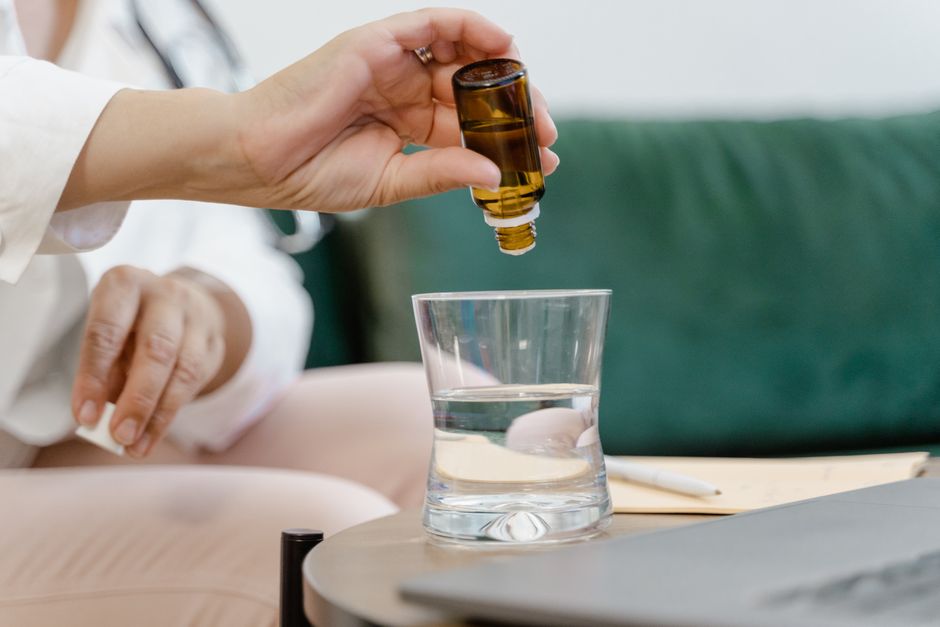
Prednisolone eye drops are a prescription steroid medication used to treat inflammation in the eye. They work by calming the immune response that causes swelling, redness, and pain. Doctors typically prescribe them for conditions like allergic conjunctivitis, uveitis, and inflammation after eye surgery.
How Do Prednisolone Eye Drops Work?
Prednisolone is a corticosteroid. When you put the drops in your eye, the medication enters the cells and blocks the production of inflammatory chemicals. This reduces swelling, redness, and discomfort at the source.
The effect is not instant. Most people notice improvement within 24 to 48 hours, but the full course of treatment matters more than the quick relief. The eye needs time to heal completely, not just feel better.
Steroids do not kill bacteria or viruses. They only suppress the inflammation. If an infection is present, your doctor will usually add an antibiotic drop alongside the steroid.
What Conditions Are Treated with Prednisolone Eye Drops?
Prednisolone eye drops are used for several inflammatory eye conditions. The most common include:
- Uveitis — inflammation inside the eye, often in the middle layer called the uvea
- Allergic conjunctivitis — severe eye allergies that do not respond to antihistamine drops
- Post-surgical inflammation — swelling and redness after cataract or other eye surgery
- Scleritis and episcleritis — inflammation of the white outer layers of the eye
- Corneal abrasions or injuries — when inflammation threatens healing
Each of these conditions involves an overactive immune response in the eye. Prednisolone suppresses that response so the tissue can repair itself.
Not every red eye needs a steroid. Most cases of viral conjunctivitis (pink eye) resolve on their own and do not require steroid drops. Using steroids for the wrong condition can make things worse.
How Is Prednisolone Eye Drops Dosed and Used?
The dosing schedule depends on the severity of the inflammation. A common starting dose is one drop every one to two hours while awake for the first day or two. Once inflammation improves, the frequency drops to four times a day, then gradually less.
Your doctor will give you a specific schedule. Follow it exactly. Do not reduce the frequency on your own because the eye looks better.
To apply the drop:
- Wash your hands first
- Tilt your head back slightly
- Pull the lower eyelid down gently
- Squeeze one drop into the pocket between the eyelid and the eye
- Close your eye for one to two minutes
- Press lightly on the inner corner of the eye near the nose
Pressing on the inner corner keeps the drop in the eye longer and reduces the amount that drains into your nose and throat. This lowers the risk of side effects.
Do not touch the dropper tip to your eye, eyelid, or any surface. Contamination can introduce bacteria into the bottle and cause a new infection.




What Are the Side Effects of Prednisolone Eye Drops?
Most people tolerate prednisolone eye drops well when used for a short time. But side effects can occur, especially with prolonged use.
Common side effects include:
- Burning or stinging right after application
- Temporary blurred vision
- Increased sensitivity to light
These are usually mild and fade quickly. If burning persists or worsens, tell your doctor.
More serious side effects are less common but require attention:
- Increased eye pressure — steroids can raise pressure inside the eye, which may lead to glaucoma over time
- Cataract formation — long-term steroid use accelerates clouding of the lens
- Delayed wound healing — steroids slow down tissue repair
- Secondary infections — suppressing the immune response can allow fungal or viral infections to take hold
Your doctor may check your eye pressure during treatment, especially if you use the drops for more than two weeks. This is a routine precaution, not a sign that something is wrong.
When Should You Not Use Prednisolone Eye Drops?
Prednisolone eye drops are not safe for every eye condition. You should not use them if you have an untreated eye infection caused by a virus, fungus, or certain bacteria.
Herpes simplex keratitis is a particular concern. This is a viral infection of the cornea. Using a steroid without an antiviral medication can make the infection spread and cause permanent scarring.
Tell your doctor if you have any of the following:
- A history of herpes eye infections
- Glaucoma or a family history of glaucoma
- Diabetes, which increases the risk of cataracts and pressure spikes
- Thinning of the cornea
- An eye injury that may involve a foreign object
If you wear contact lenses, remove them before applying the drops. You can typically reinsert them after 15 minutes, but ask your doctor first. Wearing lenses during active eye inflammation is often discouraged anyway.
How Long Can You Safely Use Prednisolone Eye Drops?
There is no universal safe duration. It depends on the condition being treated and how your eye responds.
For post-surgical inflammation, treatment often lasts one to four weeks. For uveitis, it can last several months. In chronic conditions, some patients need low-dose maintenance therapy.
The key issue is that longer use increases the risk of side effects. Pressure spikes and cataracts are dose-dependent and time-dependent. The more steroid you use, and the longer you use it, the higher the risk.
Do not stop the drops abruptly if you have used them for more than a few days. Some doctors recommend tapering the dose gradually. Stopping suddenly can cause a rebound flare of inflammation.
Your doctor will tell you whether a taper is needed. If you are unsure, ask before stopping.
What Happens If You Miss a Dose or Take Too Much?
If you miss a dose, apply it as soon as you remember. If it is almost time for the next dose, skip the missed one and continue on schedule. Do not double up.
If you accidentally apply too many drops, rinse your eye with cool water. One extra drop is unlikely to cause harm. If you suspect you have used a large amount, contact your pharmacist or doctor.
Prednisolone eye drops are for the eye only. Do not swallow them. If a child swallows the contents of a bottle, seek medical attention immediately.
Can Prednisolone Eye Drops Be Used During Pregnancy or While Breastfeeding?
Prednisolone is generally considered safe during pregnancy when used for a short time at the lowest effective dose. The amount absorbed into the bloodstream from eye drops is very small.
However, no medication is completely risk-free during pregnancy. Animal studies show some risk with high doses, but human data is limited. Your doctor will weigh the benefit of treating your eye inflammation against any potential risk to the pregnancy.
For breastfeeding, the amount of prednisolone that passes into breast milk after eye drop use is negligible. Most clinicians consider it compatible with breastfeeding. Still, tell your obstetrician and your eye doctor that you are pregnant or nursing before starting the drops.
What Are the Alternatives to Prednisolone Eye Drops?
Prednisolone is not the only option for eye inflammation. Other steroid eye drops include dexamethasone, loteprednol, and fluorometholone.
Loteprednol is a newer steroid that is broken down quickly in the eye. It may have a lower risk of raising eye pressure compared to prednisolone. Some doctors prefer it for milder inflammation or for patients who need longer treatment.
Non-steroidal anti-inflammatory drops (NSAIDs) like ketorolac and bromfenac are another option. They reduce inflammation but are generally weaker than steroids. They are often used after cataract surgery or for allergic eye disease.
For severe uveitis, oral steroids or biologic medications may be needed in addition to eye drops. These are systemic treatments that affect the whole body, not just the eye.
The choice of medication depends on the diagnosis, severity, and your individual risk factors. There is no single best drop for everyone.
Why You Should Never Share or Reuse Prednisolone Eye Drops
Prescription eye drops are personal. Sharing them is dangerous for several reasons.
First, the dropper tip can carry bacteria from one person’s eye to another. This can spread infection. Second, the dose and duration are tailored to a specific condition. What works for one person may harm another.
Never use leftover prednisolone eye drops from a previous prescription. The medication may be expired, contaminated, or no longer appropriate for your current symptoms. Red eyes have many causes, and treating the wrong one can delay proper care and worsen the problem.
If your symptoms return after finishing a course, see your doctor again. Do not reach for the old bottle.
Frequently Asked Questions
Can prednisolone eye drops be bought over the counter?
No, prednisolone eye drops are a prescription medication in the United States. You need a doctor to evaluate your eye and determine if a steroid is appropriate.
How quickly do prednisolone eye drops start working?
Most people notice reduced redness and discomfort within 24 to 48 hours. Full healing takes longer and depends on the condition being treated.
Can prednisolone eye drops cause blurred vision?
Yes, temporary blurred vision is a common side effect immediately after application. The blur usually clears within a few minutes.
Is it safe to use prednisolone eye drops with contact lenses?
You should remove your contact lenses before applying the drops. Ask your doctor how long to wait before reinserting them, as wearing lenses during active inflammation is often not recommended.
