
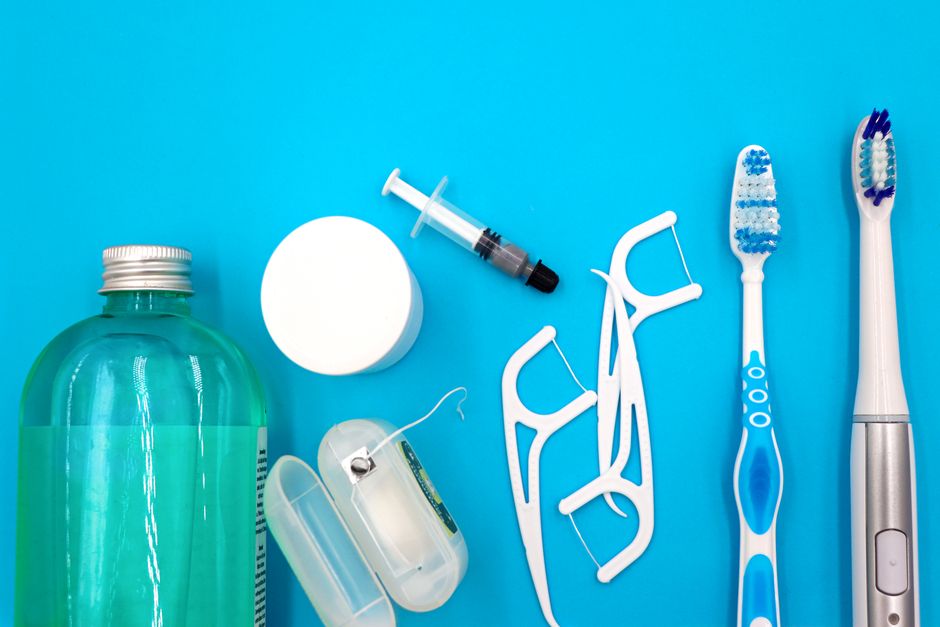
Tooth plaque is a sticky, colorless film that forms on your teeth. It is made of bacteria, their waste products, and a slimy matrix of proteins and sugars. This matrix is called a biofilm, and it is what makes plaque so hard to simply rinse away with water.
What Exactly Is Tooth Plaque Made Of?
Plaque is not just food stuck on your teeth. It is a living community of microorganisms. The bulk of plaque is actually water. The solid part is about 70 percent bacteria and 30 percent a matrix they create.
The matrix is the glue. It contains proteins from your saliva, plus long sugar chains called polysaccharides that bacteria build. These sugars act like cement. They anchor the bacteria to your enamel and to each other.
Different bacteria live in different layers of plaque. The ones closest to your tooth surface can survive without oxygen. The outer layers contain bacteria that need oxygen to live. This layered structure is why plaque is so stable. It is a fully organized ecosystem, not just a random pile of germs.
How Does Plaque Form on Your Teeth?
Plaque formation starts within minutes after you brush. Your saliva coats your teeth with a thin protein film called the pellicle. This film is actually protective, but bacteria quickly attach to it.
The first bacteria to arrive are usually harmless. They stick to the pellicle using tiny hair-like structures. Once they settle, they send chemical signals that attract more bacteria. This process is called quorum sensing.
As more bacteria arrive, they start producing the sticky matrix. If you eat sugar or carbohydrates, the bacteria ferment them. This produces acid that can erode enamel. It also creates more matrix material, making the plaque thicker and harder to remove.
Within 24 hours, if you do not brush, the plaque becomes mature. After a few days, it starts to harden into tartar, also called calculus. Once plaque turns into tartar, only a dentist can remove it.
What Bacteria Live in Dental Plaque?
Over 700 different species of bacteria have been found in the human mouth. Only a fraction of them live in plaque at any one time. The mix changes depending on your oral hygiene, diet, and genetics.
Early plaque is dominated by bacteria like Streptococcus sanguinis and Actinomyces naeslundii. These are relatively mild. They do not cause much damage on their own.
As plaque matures, more aggressive bacteria move in. Porphyromonas gingivalis is one of the main culprits in gum disease. Streptococcus mutans is the primary bacteria linked to cavities. It produces large amounts of acid and thrives in a low-pH environment.
Research published in the Journal of Clinical Microbiology has shown that the bacterial composition of plaque can predict future cavities. People with high levels of Streptococcus mutans and Lactobacillus species tend to have more decay.



What Is the Matrix That Holds Plaque Together?
The matrix is often called the extracellular polymeric substance, or EPS. It makes up about 30 percent of plaque’s dry weight. Without it, the bacteria would wash away every time you drank water.
The matrix is mostly made of polysaccharides. One key type is called mutan, which is produced by Streptococcus mutans. Mutan is sticky and water-insoluble. That is why plaque does not dissolve when you swish water around your mouth.
The matrix also contains DNA from dead bacteria, proteins, and lipids. This material acts like a shield. It protects the bacteria from your immune system and from antibiotics. Some studies suggest that bacteria living in a biofilm can be up to 1,000 times more resistant to antimicrobial agents than free-floating bacteria.
The matrix also traps minerals from your saliva. Over time, these minerals can harden into calculus. That is why tartar is so hard. It is essentially mineralized plaque matrix.
Does What Is Tooth Plaque Made Of Bacteria Matrix More Change with Diet?
Yes, your diet directly changes the composition of plaque. This is one of the most well-established findings in dental research. The key factor is sugar.
When you eat sugar, the bacteria in plaque ferment it quickly. This produces acid that drops the pH in your mouth. A low pH environment favors acid-loving bacteria like Streptococcus mutans. These bacteria also produce more matrix material when sugar is available.
A study from the University of Gothenburg found that people who consumed high-sugar diets had plaque with significantly more matrix and more cavity-causing bacteria. The effect was measurable within days.
On the other hand, a diet low in sugar and high in fiber changes the plaque bacteria toward healthier species. Bacteria that feed on proteins and vegetables do not produce as much acid. They also do not produce as much sticky matrix.
Some people report that cutting sugar reduces the amount of plaque they can feel on their teeth. This is consistent with what the research shows. Plaque does not go away entirely, but it becomes less thick and less aggressive.
What Actually Removes Plaque Effectively?
Mechanical removal is the only proven way to remove plaque. Brushing and flossing physically break up the biofilm. No mouthwash or toothpaste ingredient can remove plaque without some mechanical action.
| Method | Effectiveness | Notes |
|---|---|---|
| Manual toothbrush | Good | Effective if used correctly for 2 minutes |
| Electric toothbrush | Better | Studies show 21% less plaque than manual brushing |
| Dental floss | Essential | Removes plaque between teeth where brushes cannot reach |
| Water flosser | Good | Can be as effective as string floss for plaque removal |
| Mouthwash | Low alone | Reduces bacteria but does not remove existing plaque |
The American Dental Association recommends brushing twice a day with fluoride toothpaste and cleaning between your teeth once a day. This is based on decades of clinical evidence.
Some toothpaste ingredients like sodium bicarbonate can help disrupt plaque. But they still require brushing to work. No product can dissolve plaque without scrubbing. If a product claims to dissolve plaque without brushing, it is not supported by evidence.
Frequently Asked Questions
Frequently Asked Questions
Can plaque cause bad breath?
Yes. The bacteria in plaque produce sulfur compounds that cause bad breath. Regular removal of plaque reduces these odors.
Does mouthwash remove plaque?
No. Mouthwash can kill some bacteria but does not remove the sticky biofilm. Only brushing and flossing physically remove plaque.
How long does it take for plaque to turn into tartar?
Plaque can begin to harden into tartar within 24 to 72 hours if not removed. Full mineralization takes about 10 to 14 days.
Is plaque the same on everyone’s teeth?
No. The bacterial composition of plaque varies from person to person based on diet, genetics, and oral hygiene habits.
