
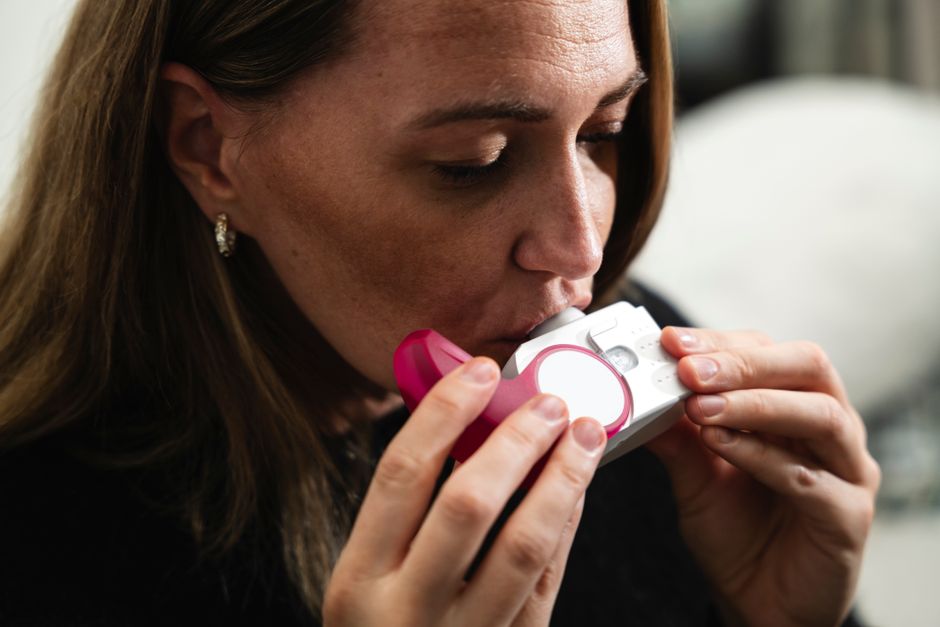
The treatment for granulomas in the lungs depends entirely on what caused them. Many lung granulomas do not require any treatment at all because they are harmless and cause no symptoms. If a granuloma is caused by an infection like tuberculosis or a fungal infection, treatment focuses on curing that infection with specific medications. For granulomas linked to inflammatory conditions such as sarcoidosis, doctors may recommend monitoring or medications to reduce inflammation. The key point is that treatment is directed at the underlying cause, not the granuloma itself.
What Are Granulomas in the Lungs?
A granuloma is a small cluster of immune cells that forms when your body tries to wall off a substance it cannot destroy. Think of it as a microscopic fortress your immune system builds around something foreign. These clusters usually measure less than one centimeter across, though some can grow larger.
Granulomas are not cancer. They are a normal immune reaction. However, they can sometimes be confused with tumors on imaging scans. Your doctor will need to determine whether a granuloma is active and what triggered it. Many granulomas are found by accident when a chest X-ray or CT scan is done for another reason.
What Causes Lung Granulomas?
The most common causes fall into two categories: infections and inflammatory conditions. Infections include tuberculosis (TB), nontuberculous mycobacteria, and fungal infections like histoplasmosis, coccidioidomycosis, or aspergillosis. These are more common in certain regions of the United States, such as the Ohio and Mississippi River valleys for histoplasmosis and the Southwest for coccidioidomycosis.
Inflammatory conditions that cause granulomas include sarcoidosis, an autoimmune-like disease that can affect multiple organs. Less common causes include reactions to inhaled substances such as beryllium (berylliosis) or talc, and some autoimmune diseases like granulomatosis with polyangiitis. In many cases, no clear cause is found.
How Are Lung Granulomas Diagnosed?
Diagnosis starts with imaging. A chest X-ray or CT scan can show granulomas as small nodules. But imaging alone cannot always tell the difference between a granuloma, a tumor, or an infection. Your doctor will consider your symptoms, travel history, and risk factors.
If more information is needed, a sample of tissue may be taken. This is called a biopsy. It can be done with a needle guided by CT, or through a bronchoscope placed into the airways. The tissue is examined under a microscope to confirm granulomas and to look for signs of infection or other causes. Blood tests and skin tests can also help identify specific infections like TB.




What Is the Treatment for Granuloma in the Lungs?
The treatment is determined by the underlying cause. For infectious granulomas, the goal is to treat the infection. For tuberculosis, this means a course of multiple antibiotics taken for six to nine months. Fungal infections may require antifungal medications such as itraconazole or fluconazole for three to twelve months, depending on the severity.
For granulomas caused by sarcoidosis, treatment is not always necessary. Many people with pulmonary sarcoidosis improve on their own. If symptoms develop—such as cough, shortness of breath, or chest pain—doctors often prescribe corticosteroids like prednisone. These drugs suppress inflammation but come with side effects, so they are used carefully. Other medications like methotrexate or biologic agents may be used if steroids are not effective or cannot be tolerated.
For granulomas from other causes such as berylliosis, the main treatment is avoiding further exposure. Medications can help manage symptoms in progressive cases. If a granuloma is found to be harmless and not causing problems, the standard approach is observation with repeat imaging over time.
There is no specific medication that directly dissolves granulomas. Instead, treating the trigger allows the immune system to stop forming new granulomas and the existing ones to shrink or scar over.
What Happens If a Granuloma Is Left Untreated?
For benign granulomas with no clear cause, leaving them untreated is the standard of care. They often remain stable or disappear on their own. Follow-up imaging, such as a CT scan in six to twelve months, is used to confirm they are not growing.
If a granuloma is caused by an active infection like TB, leaving it untreated can allow the infection to spread. Active TB is serious and requires treatment to prevent progression and transmission. Similarly, progressive fungal infections can damage lung tissue over time. For inflammatory conditions like sarcoidosis, untreated disease can lead to scarring (fibrosis) of the lungs in some people, but this is not common.
Can Granulomas in the Lungs Be Prevented?
Prevention depends on the cause. Avoiding exposure to TB is possible by staying away from people with active infections and by following workplace safety measures in healthcare settings. For fungal infections, there is no practical way to avoid airborne spores in regions where they are present. People with weakened immune systems should take extra precautions.
For sarcoidosis, no specific prevention is known because the exact trigger is not understood. If you have a known sensitivity to beryllium, avoiding exposure at work is essential. In general, staying healthy with a balanced diet and avoiding smoking can help your lungs function better, but this will not prevent granulomas from forming.
Frequently Asked Questions
Do lung granulomas need to be removed?
No, lung granulomas are almost never surgically removed. Surgery is only considered if a biopsy cannot be done safely or if the nodule looks suspicious for cancer after further testing.
How long does it take for a lung granuloma to go away?
Many granulomas shrink or disappear over months to years once the underlying cause is treated. Some may remain as small scars indefinitely. In sarcoidosis, granulomas often resolve on their own within two to five years.
Can a lung granuloma turn into cancer?
Granulomas themselves do not turn into cancer. However, a small nodule found on imaging could be either a granuloma or an early cancer, which is why follow-up scans are important to monitor for changes.
What medications treat granulomas in the lungs?
The medications used depend on the cause. Antibiotics for tuberculosis, antifungals for fungal infections, and corticosteroids like prednisone for sarcoidosis are common examples. No medication directly removes granulomas.
