
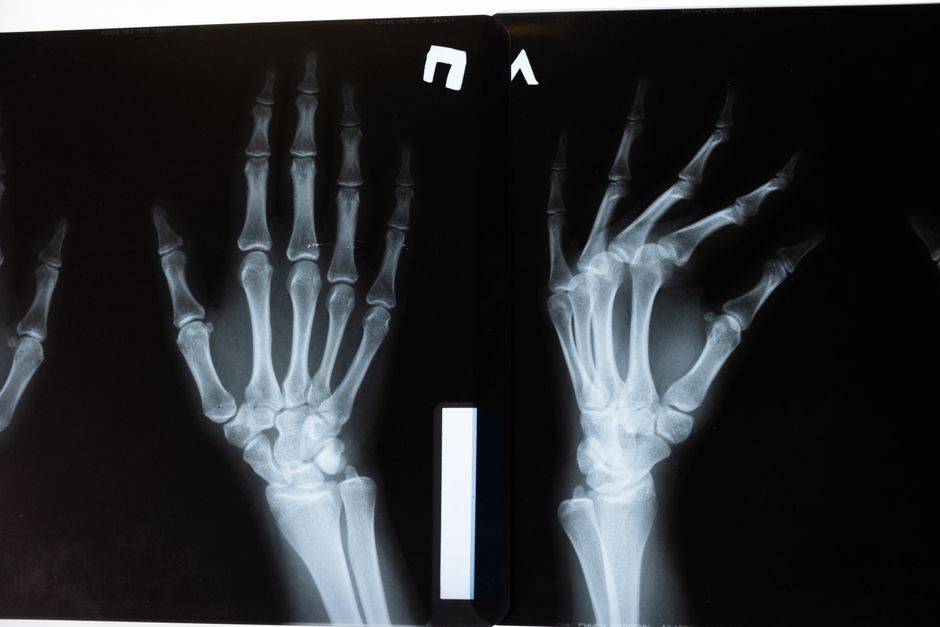
Yes, babies can break bones. Their bones are softer and more flexible than adult bones, and they are not fully hardened, but they can still fracture. A broken bone in a baby is uncommon, and when it happens, it is a serious finding that always needs medical attention. Some fractures in babies who cannot yet walk or crawl on their own raise concern for abuse, because a young infant does not have the mobility to injure themselves in most ways older children do.
Can Babies Break Bones Causes?
Babies can break bones, but the reasons differ a lot by age. A newborn has almost no ability to move around. A 10-month-old is pulling up, cruising, and falling. That difference shapes what kinds of fractures doctors see and what they mean.
Newborns can fracture a collarbone during a difficult delivery, especially when the baby is large or the delivery needs assistance. This is one of the more common birth-related fractures, and it usually heals well with simple care.
As babies get older and start rolling, crawling, and pulling to stand, accidental fractures become possible. A fall from a bed, couch, or changing table can break a bone. So can a fall down stairs. These accidents happen, and they are a real cause of fractures in mobile babies.
There is another category doctors take very seriously. Certain fractures in a baby who is not yet mobile — meaning not rolling, crawling, or walking — are hard to explain by accident. A baby who cannot move independently usually cannot generate the force needed to break their own bone. When a fracture shows up in that situation, doctors consider physical abuse as a possible cause until proven otherwise. This is not a judgment about any parent. It is a standard part of medical evaluation.
Some medical conditions also make bones more fragile. Examples include certain genetic conditions that affect bone formation, severe nutritional deficiencies, and rare metabolic disorders. These are less common than accidental injury, but they are part of what doctors look for.
What Causes Fractures in Babies Who Cannot Yet Walk?
When a baby who cannot yet move on their own has a fracture, the cause is limited. Accidental injury is possible but often does not fit the baby’s stage of development.
A non-mobile infant generally cannot roll off a surface, fall from a height, or generate the twisting force that breaks a bone. That is why doctors pay close attention to these cases. The medical term for injuries that do not match the explanation given is “injury inconsistent with the history.”
Certain fracture patterns are more concerning than others in this age group. These include fractures of the ribs, fractures at the ends of long bones, and fractures in more than one bone. A specific type called a corner fracture or bucket-handle fracture, which happens at the end of a long bone, is one pattern doctors associate with inflicted injury in infants.
This does not mean every fracture in a young baby is abuse. It means the cause needs careful evaluation. A doctor may order X-rays of the whole body, blood tests, and an eye exam to look for other signs. The goal is to find the real cause, whether that is an accident, a medical condition, or something else.
What Are the Symptoms of a Broken Bone in a Baby?
Babies cannot tell you where it hurts. They show it instead. The signs can be subtle, and some fractures cause very few visible symptoms.
Common signs include:
- Crying that does not stop, especially when the limb is moved or touched
- Swelling, bruising, or warmth over a limb or joint
- Not using one arm or leg the way they normally do
- Keeping a limb still or holding it in an odd position
- Irritability or fussiness that is unusual for your baby
- A bump or deformity along the bone
Some fractures are easy to miss. A newborn with a broken collarbone may just seem to cry when that arm is moved, or a parent may notice a small lump that forms as the bone heals. Rib fractures often leave no bruise at all, which is one reason they can go unnoticed.
If you think your baby may have a broken bone, treat it as a medical issue and get care. Do not try to test the limb yourself by moving it around. That can cause more pain and possibly more injury.




How Are Fractures in Babies Diagnosed?
Doctors diagnose fractures with imaging, most often an X-ray. A single X-ray can usually confirm a break and show where it is and how serious it is.
In some cases, especially when abuse is a concern, doctors order a skeletal survey. This is a set of X-rays that images the whole body to look for fractures in different stages of healing. Finding fractures that are healing at different times suggests injuries happened on more than one occasion.
Blood tests may be used to check for conditions that weaken bones or affect how the body handles calcium and vitamin D. In rare cases, genetic testing is used.
The diagnosis process can feel invasive for a family. Doctors know this. The reason for the thorough approach is that missing the cause of a fracture in a non-mobile baby can leave that baby at risk of further injury.
How Are Broken Bones in Babies Treated?
Most fractures in babies heal well, and often faster than in older children or adults. A baby’s growing bones have a strong ability to repair themselves.
Treatment depends on which bone is broken and how serious the break is. Many fractures need only a splint, a soft wrap, or a cast to hold the bone in place while it heals. Some breaks, especially those that are out of alignment, may need a procedure to reposition the bone. Surgery is needed less often in babies than in older children, but it does happen for certain fractures.
Pain is managed with medication appropriate for the baby’s age and weight. A doctor will give specific instructions on what to use and how much. Do not give a baby pain medication without guidance from a clinician, because some common adult medications are not safe for infants.
Follow-up visits are common. The doctor will check healing with repeat X-rays and make sure the bone is growing straight. Most simple fractures in babies heal without lasting problems, though the timeline depends on the bone and the type of break. Your doctor can give you a realistic estimate for your baby’s specific injury.
One thing worth knowing: a baby’s bones can heal with a slight bend that straightens out over time as the bone grows and remodels. This is why some fractures that would need surgery in an adult are treated more simply in an infant. The growing bone corrects a lot on its own.
When Should You Get Medical Help?
Get medical care right away if your baby has a limb that looks bent, swollen, or bruised, or if your baby cries hard when that limb is moved. Also seek care if your baby stops using an arm or leg, or if you notice a lump or deformity.
Call emergency services if your baby is hard to wake, is breathing strangely, or has a head injury along with the limb problem. Head injuries in babies are a separate and serious concern.
If you are not sure whether something is wrong, err on the side of getting it checked. A doctor would rather see a baby who turns out to be fine than miss a fracture. You are not wasting anyone’s time by being careful.
Frequently Asked Questions
Can a baby break a bone from a minor fall?
Yes, a minor fall can break a bone in a baby, especially in one who is mobile and pulling to stand. The force needed depends on the bone and the baby’s age, so even a short fall can cause a fracture.
How can I tell if my baby has a broken bone?
Look for swelling, bruising, crying when the limb is moved, or not using an arm or leg normally. Only a doctor can confirm a fracture, so get medical care if you suspect one.
Do babies’ bones heal faster than adults’?
Yes, babies’ bones generally heal faster and can remodel a bend over time as the bone grows. The exact timeline depends on which bone is broken and how serious the break is.
Are broken bones in babies always a sign of abuse?
No, not always, but fractures in babies who cannot yet move on their own are taken seriously because accidental causes may not fit. Doctors evaluate each case carefully to find the true cause.
