
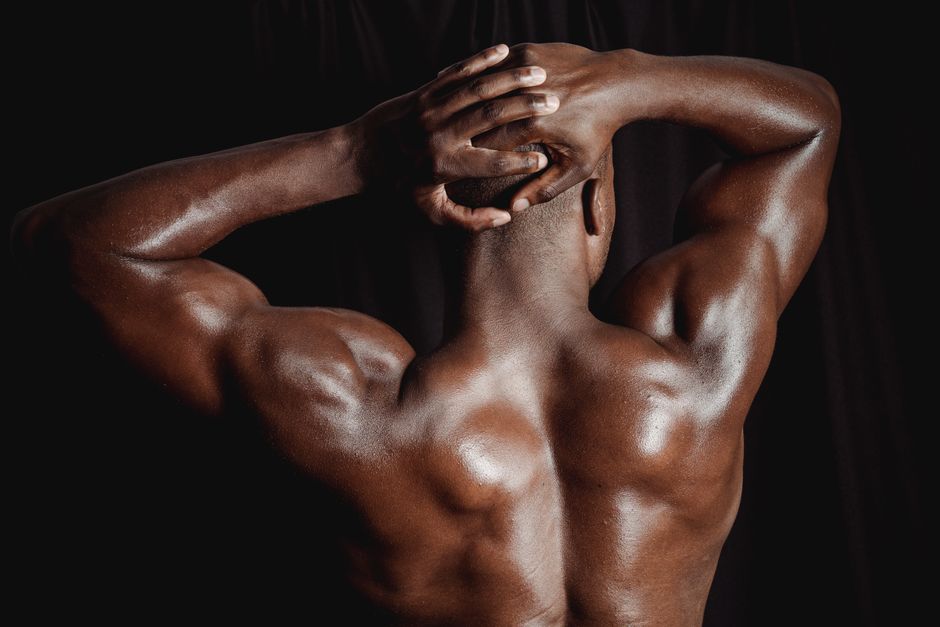
When someone says they have a pain in the small of their back, they mean the lower part of the spine, just above the waist and below the ribcage. The small of your back is the inward curve where the lumbar spine sits, roughly between the bottom of the ribs and the top of the buttocks. It is called “small” because this section of the back is narrower than the shoulders and hips on either side. This area does more mechanical work than any other part of your spine, which is why it is also the most common site of back pain.
What Is The Small Of Your Back?
The small of your back is the lower back region centered on the lumbar spine. It includes five vertebrae, the discs between them, the surrounding muscles, and the ligaments that hold the structure together.
Anatomically, this region runs from the bottom of the rib cage down to the sacrum, the triangular bone at the base of the spine. The inward curve you can feel with your hand is called lumbar lordosis. It is a normal, healthy curve, not a defect. That curve helps your spine absorb the downward force of your upper body with every step you take.
The lumbar spine carries more load than the cervical or thoracic spine because it sits at the base of the chain. When you bend, lift, twist, or sit, the small of your back is usually doing the heaviest work. That mechanical load is a big part of why this area is vulnerable to injury and strain.
What Does The Small Of Your Back Do?
The small of your back supports the weight of your upper body and lets you bend forward, backward, and side to side. It also transfers force between your upper body and your legs when you walk, run, or lift.
The five lumbar vertebrae are larger and thicker than the vertebrae in your neck and upper back. That size is not random. Larger bones can bear more weight. Between each vertebra sits a disc, a cushion with a soft center and a tougher outer ring, that absorbs shock and allows movement.
Muscles in this region, including the erector spinae and the deep core muscles, keep your spine stable. Ligaments hold everything in place. When these parts work together, your lower back moves smoothly. When one part is strained or injured, the whole area can feel stiff or painful.
Why Is The Lower Back Called The Small Of Your Back?
The name comes from the shape of the body, not from anything about the spine itself. The lower back curves inward, making it the narrowest part of the back when viewed from the side or from behind.
Compared with the broad shoulders above and the wider hips below, this section looks “small.” The word has been used this way in English for centuries to describe the narrowest part of the back. It is a description of appearance, not a medical term.
Doctors and anatomists use more precise words. They call this region the lumbar spine or the lumbosacral area. If you see “lumbar” on a medical report, it refers to the same place most people call the small of the back.





What Causes Pain In The Small Of Your Back?
Most lower back pain is mechanical, meaning it comes from the muscles, ligaments, discs, or joints rather than from a serious disease. Muscle strain from lifting or twisting is one of the most common causes.
Other common sources include:
- Muscle or ligament strain from sudden movement or heavy lifting
- Disc problems, where a disc bulges or presses on a nerve
- Facet joint irritation, where the small joints between vertebrae become inflamed
- Poor posture or long periods of sitting
- Age-related wear on the discs and joints
Less often, lower back pain signals something more serious. Warning signs include pain that follows a fall or accident, numbness in the groin area, loss of bladder or bowel control, fever, or unexplained weight loss. These symptoms need urgent medical attention and should not be managed at home.
It is worth being clear about one thing. Most episodes of lower back pain do not have a single, identifiable cause that a doctor can point to on a scan. Imaging often shows disc changes in people with no pain at all, so a scan finding does not always explain the symptoms.
What Does Lower Back Pain Usually Feel Like?
Lower back pain can feel like a dull ache, a sharp stab, or a stiff, tight sensation. The feeling often changes depending on your position and movement.
Some people feel pain only in the small of the back. Others feel it spread into the buttocks or down one leg. When pain travels down the leg, it may involve a nerve, and that pattern is sometimes called sciatica. Aching that stays in the back is more often muscular or joint-related.
The location and quality of the pain can offer clues, but they are not a diagnosis. Two people with the same scan result can feel very different things. That is one reason doctors rely on your history and physical exam as much as on imaging.
How Is The Small Of Your Back Evaluated?
A doctor usually starts with questions about when the pain began, what makes it better or worse, and whether it travels into the legs. A physical exam then checks your movement, strength, and reflexes.
Imaging is not routine for most cases of new lower back pain. Guidelines generally advise against early scans unless there are red flags, such as trauma, nerve symptoms, or signs of serious illness. This is because most scans in uncomplicated cases do not change treatment and can sometimes lead to unnecessary worry.
When imaging is used, it may include X-rays for bone alignment, MRI for discs and nerves, or CT scans in specific situations. Each has a purpose, and a doctor chooses based on what they are looking for.
Can You Prevent Problems In The Small Of Your Back?
You cannot prevent every episode of lower back pain, but some habits reduce strain on the area. Regular movement and staying physically active are among the most consistently supported steps.
- Lift with your legs, keeping the load close to your body
- Break up long periods of sitting with movement
- Keep your core and back muscles reasonably strong
- Avoid twisting while lifting something heavy
Evidence on specific exercises and posture corrections is mixed. Some studies suggest that general activity helps more than any single exercise routine. No program has been shown to prevent all back pain, so the goal is reducing strain, not eliminating risk.
When Should You See A Doctor?
See a doctor if the pain is severe, lasts more than a few weeks, or keeps you from your normal activities. Seek urgent care if you notice numbness around the groin, trouble controlling your bladder or bowels, or weakness in both legs.
These specific symptoms can point to a nerve or spinal cord problem that needs prompt evaluation. They are uncommon, but they should never be ignored or waited out.
For most people, lower back pain improves over time without surgery. The evidence does not support the idea that every case needs a scan, an injection, or an operation. Knowing what the small of your back actually is can help you describe your symptoms clearly and ask better questions when you do see a clinician.
Frequently Asked Questions
Where exactly is the small of your back?
It is the lower back region between the bottom of the rib cage and the top of the buttocks, centered on the lumbar spine. This is the inward-curving, narrowest part of the back.
Is the small of your back the same as the lumbar spine?
Yes, in everyday language the small of your back refers to the same area as the lumbar spine. Medical reports use “lumbar” or “lumbosacral” for this region.
Why does the small of your back hurt so often?
This area carries much of your upper body’s weight and handles the most movement, so muscles, discs, and joints here are easily strained. Most cases are mechanical and not caused by serious disease.
When is lower back pain a medical emergency?
Seek urgent care for numbness in the groin, loss of bladder or bowel control, or weakness in both legs. These signs can indicate a nerve or spinal cord problem that needs immediate evaluation.
