
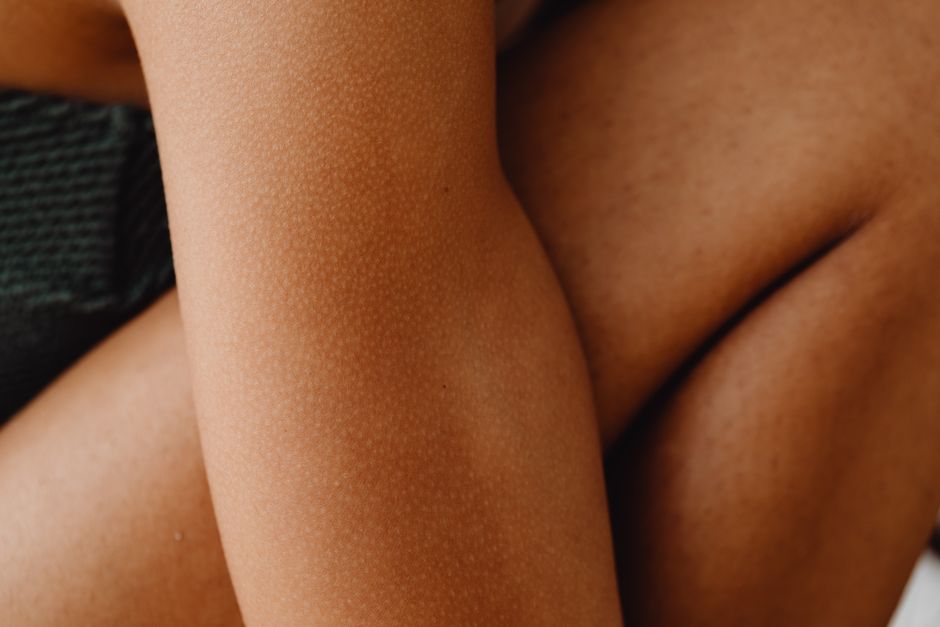
The loose, thick skin on the back of your elbow is called olecranon skin, named after the underlying bone, the olecranon process. That is the bony tip of your ulna, the forearm bone that forms the point of your elbow. In everyday terms, people often just call it “elbow skin” or refer to the whole area as the “washboard” or “funny bone” region, though the funny bone is actually a nerve, not a bone.
This skin is not like the skin on your forearm or your face. It is specifically designed to stretch, fold, and tolerate pressure. Understanding why it looks and behaves the way it does helps explain common skin conditions that appear in this exact spot.
What Is The Skin On Your Elbow Called Anatomically?
Anatomically, the skin over the olecranon process is simply the skin overlying the olecranon bursa. The olecranon bursa is a fluid-filled sac that sits between the bone and the skin. Its job is to reduce friction when you bend and straighten your arm.
The skin itself is thicker here than on most of your arm. It has a thicker outer layer, called the stratum corneum, and a denser layer of connective tissue underneath. This structure gives it that slightly tougher, more leathery feel compared to the softer skin on your inner arm.
Because the elbow has no significant fat pad directly under the skin at the tip, the skin sits very close to the bone. That is why you can feel the bony point so clearly, and why this area is prone to pressure-related skin changes.
Why Is The Skin On Your Elbow So Thick And Wrinkled?
The thickness and wrinkling are not random. They are adaptations to how you use your elbow every day. When you bend your arm, the skin on the back of the elbow must fold. When you straighten it, that skin must stretch back out. Constant folding and stretching over years naturally creates creases and a slightly loose appearance.
Pressure also plays a role. Resting your elbow on a table, a desk, or an armrest puts direct pressure on this thin layer of tissue. The skin responds to repeated pressure by building up more keratin, the protein that makes skin tough. This is the same process that creates calluses on your hands or feet, though the elbow rarely forms a true callus because the skin remains mobile.
Age also changes this skin. Collagen and elastin, the proteins that keep skin firm and springy, break down over time. With less elastin, the skin on your elbow becomes looser and more wrinkled. This is a normal part of aging, not a sign of a health problem.
What Causes Dry Or Dark Skin On The Elbows?
Dry, rough, or darker skin on the elbows is extremely common. The skin here has fewer oil glands than most other parts of your body. Sebum, the natural oil that keeps skin moist, is produced in much smaller amounts over the elbow. Without that oil, the skin loses water more easily and becomes dry and flaky.
Friction is another major contributor. Constant rubbing against clothing, desks, or bedding strips away the skin’s natural moisture barrier. Over time, this repeated friction can also cause the skin to thicken and darken slightly. This is a normal response, especially if you frequently lean on your elbows.
However, persistently dark, velvety skin on the elbows can sometimes signal an underlying condition called acanthosis nigricans. This condition is associated with insulin resistance and type 2 diabetes. If the skin on your elbows becomes noticeably darker, thicker, and velvety in texture, it is worth mentioning to your doctor. It does not automatically mean you have diabetes, but it warrants a check.
Other conditions can affect this area too. Psoriasis commonly appears on the elbows as thick, silvery scales. Eczema can cause dry, itchy, inflamed patches. If you have persistent redness, cracking, itching, or pain, a healthcare provider can help identify the specific cause.




How To Care For The Skin On Your Elbows
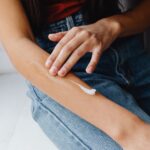
Basic care for elbow skin is straightforward. Moisturizing is the most effective step. Because this area produces little natural oil, applying a moisturizer after showering helps trap water in the skin. Look for creams or ointments rather than thin lotions. Thicker products contain more occlusive ingredients, like petrolatum or shea butter, which seal moisture in.
Exfoliation can help with rough, flaky skin, but it should be gentle. A soft washcloth or a mild scrub once or twice a week is enough. Avoid harsh scrubbing, which can irritate the skin and make dryness worse. If you have cracks or open sores, do not exfoliate those areas at all.
Sun protection matters here too. The skin on your elbows is exposed to the sun whenever you wear short sleeves. Sun damage accelerates the breakdown of collagen and elastin, making the skin thinner and more wrinkled over time. Applying sunscreen to your elbows when they are exposed is a simple preventive step.
If you have a specific skin condition like psoriasis or eczema, standard moisturizers may not be enough. Topical treatments prescribed by a doctor, such as corticosteroids or vitamin D analogs, are often needed. Do not rely on over-the-counter products alone if you have a diagnosed condition.
When Should You See A Doctor About Elbow Skin?
Most changes in elbow skin are harmless and cosmetic. But some signs warrant medical attention. If you notice a lump or bump on the back of your elbow, it could be olecranon bursitis. This is inflammation of the bursa sac, often caused by repeated pressure, injury, or infection. The area may feel swollen, warm, or painful.
Seek medical care if you have any of these signs:
- Redness, warmth, or swelling that does not go away
- Pain that limits your ability to bend or straighten your arm
- Open sores, cracks, or bleeding that do not heal
- Rapidly changing moles or new growths
- Skin that becomes suddenly very dark or velvety
Skin cancer can develop anywhere, including the elbows. The elbows receive significant sun exposure over a lifetime. Any new or changing mole, spot, or growth should be evaluated by a dermatologist. Early detection matters for all types of skin cancer.
What Is The Difference Between Elbow Skin And “Washboard” Skin?
The term “washboard” is sometimes used to describe the appearance of the skin on the back of the elbow. It refers to the horizontal creases that form when the arm is extended. These creases are simply folds of skin that accommodate the bending motion of the joint.
Some people use “washboard” to describe the texture of the skin when it is very dry or thickened. The skin may develop a ridged, corrugated appearance that resembles an old-fashioned washboard. This is not a medical term. It is just a descriptive way to talk about the normal texture and appearance of this area.
The key point is that the skin on your elbow is not a separate type of skin. It is the same skin that covers your entire body, but it has adapted to its location. It is thicker, less oily, and more mobile than skin elsewhere. Those adaptations explain most of what you notice about it.
Frequently Asked Questions
Is it normal for the skin on your elbows to be darker?
Yes, mild darkening is normal, especially from friction and sun exposure. If the skin becomes very dark, thick, and velvety, see a doctor to rule out insulin resistance.
Can you get a callus on your elbow?
Yes, but it is less common than on hands or feet. Repeated pressure from leaning on hard surfaces can cause the skin to thicken into a callus-like patch.
Why does the skin on my elbow crack and bleed?
Severe dryness and friction are the most common causes. Cracking that does not heal or is painful may indicate eczema, psoriasis, or an infection, and should be evaluated by a doctor.
Does elbow skin age faster than other skin?
It can appear to age faster because it is thin, has few oil glands, and receives a lot of sun exposure. Sunscreen and regular moisturizing can slow these visible changes.
