
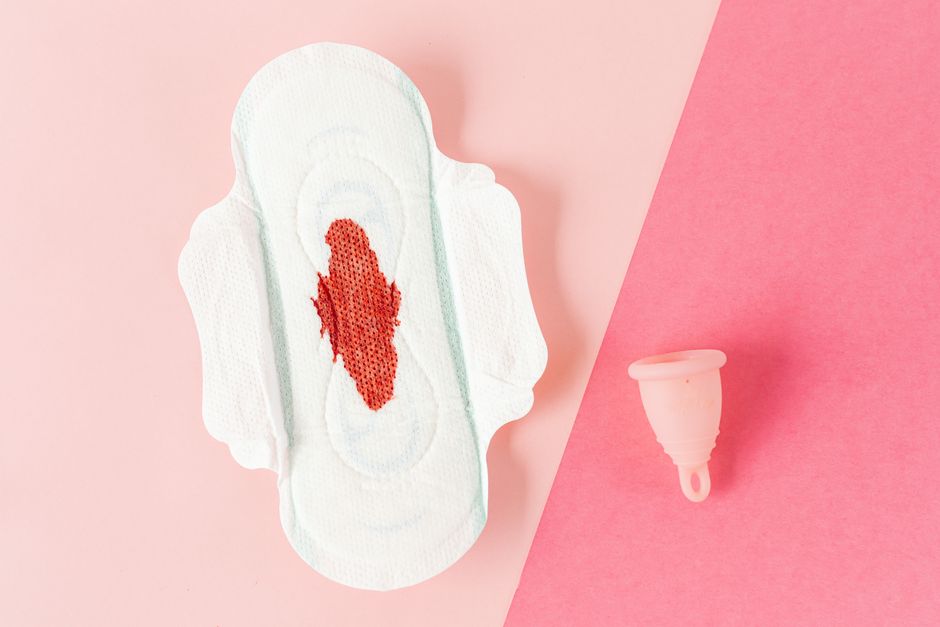
The secretory phase is the second half of your menstrual cycle, starting after ovulation and lasting until your period begins. During this time, the empty follicle that released the egg transforms into a structure called the corpus luteum, which produces progesterone. This hormone thickens and prepares the uterine lining to support a possible pregnancy. If pregnancy does not occur, the corpus luteum breaks down, hormone levels drop, and the lining sheds as your menstrual period.
What Is The Secretory Phase Of The Menstrual Cycle?
The secretory phase is one of four distinct phases of the menstrual cycle. It begins right after ovulation—when the ovary releases an egg—and ends on the first day of your next period. In a typical 28-day cycle, this phase lasts about 14 days, but the exact length varies from person to person.
The name comes from the word “secrete.” During this phase, the glands inside the uterine lining secrete fluids that create a nutrient-rich environment. The lining becomes thicker, more vascular, and full of glycogen, which is a form of stored sugar. This prepares the uterus to receive and nourish a fertilized egg.
Unlike the first half of the cycle, which can vary in length depending on when ovulation occurs, the secretory phase is relatively fixed in duration. Most people have a secretory phase lasting 10 to 16 days. If it is consistently shorter than 10 days, it may affect fertility because the uterine lining may not have enough time to become fully receptive.
What Happens to Hormones During the Secretory Phase?
Hormone levels shift dramatically during this phase. After ovulation, the ruptured follicle becomes the corpus luteum. This structure secretes two main hormones: progesterone and estrogen.
Progesterone is the dominant hormone of the secretory phase. It peaks about 7 to 8 days after ovulation. High progesterone levels cause the uterine lining to mature and become secretory. It also raises your basal body temperature—this is why people who track fertility notice a temperature rise after ovulation that stays elevated until their period.
Estrogen remains present but at lower levels than during the follicular phase. It works alongside progesterone to support the lining. If pregnancy occurs, the developing embryo produces human chorionic gonadotropin (hCG), which signals the corpus luteum to keep producing progesterone. Without that signal, the corpus luteum degenerates about 12 to 14 days after ovulation.
As the corpus luteum breaks down, progesterone and estrogen levels fall sharply. This drop triggers the shedding of the uterine lining—your period begins. The cycle then starts over with the follicular phase.
What Does the Uterine Lining Look Like During This Phase?
Under a microscope, the secretory phase uterine lining looks distinct from the lining in the first half of the cycle. The glands become coiled, tortuous, and filled with secretions. The tissue becomes edematous, meaning it holds more fluid. Blood vessels become more prominent and spiral-shaped.
These changes peak about 7 days after ovulation. This window is often called the “implantation window” because it is the time when the uterine lining is most receptive to a fertilized egg. The window typically lasts 4 to 5 days.
If you have an ultrasound during this phase, the lining appears thicker and brighter. A healthy secretory phase lining is usually between 7 and 14 millimeters thick. However, lining thickness alone does not guarantee successful implantation. The quality and maturity of the lining matter as much as its thickness.





Why Does the Secretory Phase Matter for Fertility?
The secretory phase is critical for conception. After ovulation, a fertilized egg takes about 5 to 7 days to travel down the fallopian tube and reach the uterus. By the time it arrives, the lining must be fully mature and receptive. If the lining is not ready, implantation may fail.
Progesterone is the key player here. It coordinates the entire process. Without adequate progesterone, the lining remains immature. This condition is sometimes called a “luteal phase defect,” although the term is debated among specialists.
Some clinicians define a luteal phase defect as a secretory phase lasting fewer than 10 days or a mid-luteal progesterone level below a certain threshold. However, there is no universally accepted diagnostic criterion. Some research suggests that a short luteal phase may be linked to infertility, but the evidence is not conclusive. Many people with short luteal phases conceive normally.
If you are trying to conceive and have consistently short cycles, irregular cycles, or a history of early pregnancy loss, it is reasonable to discuss your luteal phase with a healthcare provider. They may recommend monitoring progesterone levels or tracking ovulation more closely.
What Are Common Symptoms of the Secretory Phase?
Many people notice physical and emotional changes during this phase. These symptoms are driven by the rise in progesterone and the later drop in estrogen and progesterone.
Common symptoms include breast tenderness, bloating, fatigue, mood changes, and food cravings. Some people experience acne, headaches, or constipation. These symptoms are part of premenstrual syndrome (PMS), which typically occurs in the late secretory phase.
Progesterone has a relaxing effect on smooth muscle. This can slow digestion, leading to bloating and constipation. It can also cause drowsiness and a slight rise in body temperature. Some people report feeling warmer at night or waking up feeling hot during this phase.
Not everyone experiences these symptoms. The severity varies widely. If symptoms interfere with daily life, it is worth discussing options with a healthcare provider. Lifestyle changes, dietary adjustments, and sometimes medication can help manage them.
How Is the Secretory Phase Different From the Follicular Phase?
The follicular phase is the first half of the cycle, from the first day of your period until ovulation. It is driven primarily by estrogen. During this phase, the uterine lining rebuilds after being shed. Follicles in the ovary mature, and one becomes dominant and releases an egg.
The secretory phase is the second half. It is driven primarily by progesterone. The lining stops growing in thickness and instead matures in quality. The two phases have different hormonal profiles, different durations, and different purposes.
One key difference is variability. The follicular phase can last anywhere from 10 to 20 days or longer. This is why cycle length varies so much between people. The secretory phase is far more consistent, usually 10 to 16 days. A normal total cycle length can range from 21 to 35 days, and most of that variation comes from the follicular phase.
Another difference is what happens if pregnancy does not occur. At the end of the follicular phase, ovulation occurs. At the end of the secretory phase, menstruation occurs. The follicular phase builds toward release; the secretory phase builds toward either implantation or shedding.
Can You Track the Secretory Phase at Home?
Yes, there are several ways to track this phase at home. The most reliable method is tracking basal body temperature. After ovulation, progesterone causes a sustained temperature rise of about 0.5 to 1.0 degree Fahrenheit. This rise confirms that ovulation has occurred and marks the start of the secretory phase.
Ovulation predictor kits detect the luteinizing hormone (LH) surge that happens 24 to 36 hours before ovulation. These kits tell you when ovulation is about to happen, not when it has happened. Combining LH testing with temperature tracking gives a clearer picture.
Cervical mucus changes can also help. During the secretory phase, mucus typically becomes thick, sticky, and less abundant compared to the wet, stretchy, egg-white mucus seen right before ovulation. This change reflects rising progesterone levels.
Fertility tracking apps can help you record these signs, but they are only as accurate as the data you enter. Apps that predict ovulation based on cycle history alone are less reliable than those that incorporate temperature and other biomarkers.
When Should You See a Doctor About the Secretory Phase?
Most people do not need medical attention for the secretory phase. It is a normal part of the cycle. However, certain signs warrant a discussion with a healthcare provider.
See a doctor if your cycles are consistently shorter than 21 days or longer than 35 days. Also seek advice if you have spotting between periods, severe pelvic pain, or very heavy bleeding. These symptoms may indicate an underlying condition such as polycystic ovary syndrome, endometriosis, or a thyroid disorder.
If you have been trying to conceive for 12 months or more without success—or 6 months if you are over 35—it is reasonable to seek a fertility evaluation. A provider can assess whether ovulation is occurring regularly and whether the luteal phase is adequate.
No at-home test can diagnose a luteal phase defect. Blood tests for progesterone are typically done 7 days after ovulation to confirm that ovulation occurred. However, a single progesterone measurement is not always reliable because levels fluctuate throughout the day. Your provider will interpret results in the context of your full cycle history.
Frequently Asked Questions
How long does the secretory phase last?
The secretory phase typically lasts 10 to 16 days. It is relatively consistent from cycle to cycle, unlike the follicular phase which can vary widely.
What does low progesterone during the secretory phase mean?
Low progesterone may mean ovulation did not occur or that the corpus luteum is not producing enough hormone. This can result in an immature uterine lining, but the clinical significance is debated and should be evaluated by a healthcare provider.
Can you get pregnant during the secretory phase?
You can only get pregnant if intercourse happens before or on the day of ovulation. By the time the secretory phase begins, ovulation has already occurred, so pregnancy cannot start during this phase—but the phase is essential for implantation.
Is the secretory phase the same as the luteal phase?
Yes, the terms are used interchangeably. The luteal phase refers to the corpus luteum, and the secretory phase refers to the uterine lining changes. Both describe the same time period after ovulation.
