
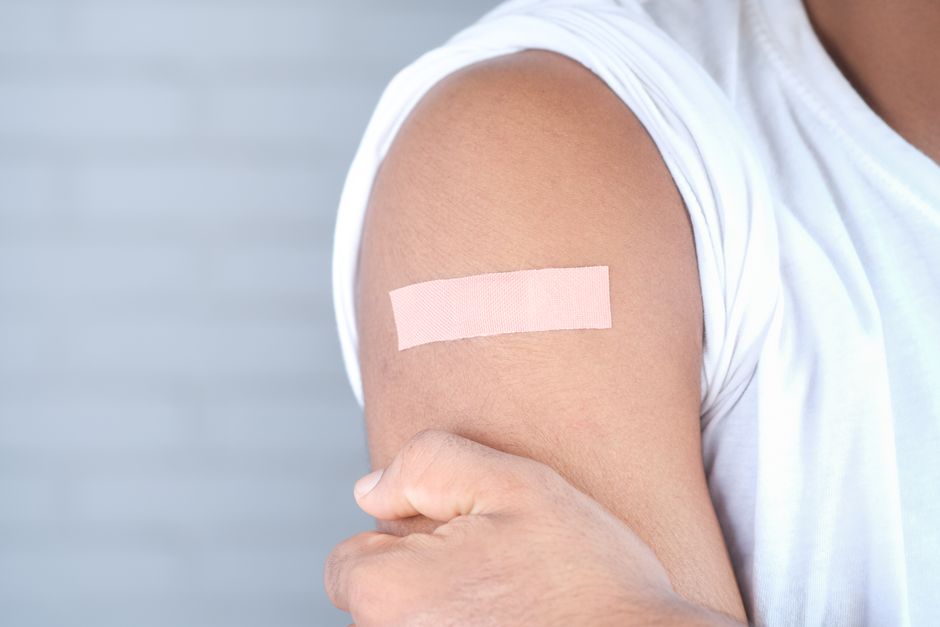
Respiratory syncytial virus, usually called RSV, is a common virus that most people catch in childhood. For decades it was seen mainly as a threat to infants. That view has changed. In older adults, RSV can cause serious lung infections, and two vaccines are now approved in the United States to help prevent them. The RSV vaccine for adults is a shot that lowers the risk of RSV-related lung infection in people aged 60 and older, and it is also approved for certain younger adults at higher risk.
Two vaccines are available: Arexvy and Abrysvo. A third option, mResvia, is an mRNA vaccine approved for adults 60 and older. Who needs it depends mostly on age and health history. This article explains what the vaccine does, who the current guidance covers, and where the evidence is still developing.
What Is The RSV Vaccine For Adults And Who Needs It?
RSV is a virus that infects the airways and lungs. For most healthy adults it feels like a bad cold. In older adults, and in people with certain heart or lung conditions, it can lead to bronchiolitis or pneumonia and sometimes hospitalization.
The adult RSV vaccines work by training the immune system to recognize a specific protein on the surface of the virus. That protein helps the virus enter cells. Blocking it can stop the infection from taking hold. All three approved vaccines use the same target, though they are built differently. Arexvy and Abrysvo use a protein-based approach. mResvia uses mRNA.
Under current U.S. guidance, the vaccine is recommended for:
- All adults aged 75 and older
- Adults aged 50 to 74 who are at increased risk of severe RSV
That risk-based group includes people with chronic heart failure, chronic obstructive pulmonary disease (COPD), asthma, diabetes, severe obesity, and weakened immune systems. It also includes adults living in nursing homes or other long-term care settings. The age threshold for the risk-based group has shifted over time as new data came in, so it is worth checking the current recommendation rather than relying on an older one.
RSV season in the U.S. generally runs from fall through early spring. The vaccine is typically given before or during that window, though it can be given at other times.
How Well Does The RSV Vaccine Work?
The vaccines reduce the risk of RSV-related lower respiratory tract disease, which is the more serious form of infection. That is a meaningful outcome. It is not the same as preventing every RSV infection or every cold.
The trials behind approval measured how many vaccinated people developed lower respiratory tract disease compared with people who received a placebo. In those trials, vaccinated adults had fewer cases. The protection was strongest in the first season after vaccination. Over a second season, protection appeared to wane, which is why researchers have looked at revaccination.
One point that gets lost in headlines: these vaccines were not designed to prevent mild RSV illness. If you get the shot and still catch RSV, that does not mean it failed. The goal is to keep the infection out of your lungs.
On revaccination, the evidence is still coming together. A single dose was the original approval. Whether and when a second dose helps is an active question, and guidance may change as more data accumulates.
What Are the Side Effects?
The most common side effects are the ones you would expect from many vaccines: soreness or pain at the injection site, fatigue, muscle aches, headache, and sometimes fever. These usually clear within a few days.
In the clinical trials, some participants developed atrial fibrillation, an irregular heartbeat. Whether the vaccine caused this is not fully settled. Regulators noted the finding and continue to monitor it. If you have a history of heart rhythm problems, that is a reasonable thing to raise with your clinician.
There is one rare but serious safety concern that regulators flagged: a small number of cases of Guillain-Barré syndrome were reported after vaccination. Guillain-Barré is a condition in which the immune system attacks nerves, causing weakness that can be severe. The reported numbers were very low, and a clear cause-and-effect link has not been established. The risk, if it exists at all, appears to be rare. This is exactly the kind of finding that monitoring systems are built to catch, and the picture can change as more people are vaccinated.




Who Should Talk to a Clinician First?
Anyone with a history of Guillain-Barré syndrome should discuss the vaccine with a clinician before getting it. The same goes for people with a history of heart rhythm problems, and for anyone who has had a serious allergic reaction to a vaccine or one of its ingredients.
People who are currently sick should generally wait until they feel better. This is standard for most vaccines and is not specific to RSV.
If you are pregnant, the picture is different. Abrysvo is approved for use during a specific window of pregnancy to protect newborns, but that is a separate recommendation from the adult vaccine. Decisions about RSV protection in pregnancy should be made with a clinician who knows your history.
For most other adults, there is no special preparation needed. You do not have to time it around other vaccines, though some clinicians prefer to space certain shots. Ask if you are unsure.
How Does It Compare to the Flu and COVID Vaccines?
All three target different viruses, so one does not replace another. RSV, influenza, and SARS-CoV-2 are separate pathogens with separate vaccines. Getting one does not protect you against the others.
You can receive the RSV vaccine at the same time as the flu vaccine and the COVID-19 vaccine. Studies have looked at giving them together, and the practice is generally considered acceptable. Some people report more side effects when multiple shots are given at once, but this is not dangerous.
One practical note: the RSV vaccine is not an annual shot in the way the flu vaccine is. The flu vaccine is reformulated every year because the virus changes quickly. RSV changes more slowly, so the strategy is different. Whether RSV revaccination becomes routine is still being studied.
Where the Evidence Is Still Developing
Two areas deserve an honest look.
First, how long protection lasts is not fully known. The trials followed people for a limited time. Protection was strongest in the first season and appeared to drop after that. Whether a booster every few years will become standard is not yet clear.
Second, the benefit in younger, healthier adults is less certain. The trials focused on older adults and those with underlying conditions. For a healthy 55-year-old with no risk factors, the balance of benefit and risk is less well defined. That is why the risk-based recommendation targets specific conditions rather than all adults in that age range.
There is also the question of how well the vaccines work in people with severely weakened immune systems. Responses can be blunted in this group, and the data are thinner.
None of this means the vaccines are unproven. They went through large trials and were reviewed by regulators. But it does mean the full picture is still being filled in, and recommendations have changed before and may change again.
How to Decide
If you are 75 or older, the recommendation is straightforward. If you are 50 to 74 with a condition that raises your risk, it is worth a conversation with your clinician. Bring your health history and ask whether your specific conditions put you in the risk-based group.
Ask about the side effect profile if you have a heart rhythm history or a history of Guillain-Barré. Ask how the vaccine fits with your other shots. And ask what the current guidance says, because it has shifted.
RSV is not a mild virus for everyone. For older adults and those with chronic conditions, it can lead to hospitalization and, in some cases, death. The vaccine is one tool to lower that risk. It is not perfect, and it is not the only step. Handwashing, staying away from sick contacts, and managing chronic conditions all matter too.
Frequently Asked Questions
At what age should adults get the RSV vaccine?
Current U.S. guidance recommends it for all adults 75 and older, and for adults 50 to 74 who are at increased risk of severe RSV. The risk-based age range has changed over time, so check the latest recommendation.
How long does the RSV vaccine protect you?
Protection appears strongest in the first season after vaccination and tends to wane afterward. How long it lasts overall, and whether routine revaccination will be recommended, is still being studied.
Can you get the RSV vaccine at the same time as the flu shot?
Yes, the RSV vaccine can generally be given at the same time as the flu and COVID-19 vaccines. Some people report more side effects when multiple shots are given together, but this is not considered dangerous.
Does the RSV vaccine prevent all RSV infections?
No. The vaccines were shown to reduce the risk of RSV-related lower respiratory tract disease, which is the more serious form of infection. They were not designed to prevent every mild RSV illness.
