
Blood sugar, or blood glucose, is the main sugar found in your blood. It comes from the food you eat, and it is the primary source of energy for your body’s cells. For most healthy adults, the right blood sugar is a fasting level between 70 and 99 mg/dL, and under 140 mg/dL two hours after eating. These numbers are the standard clinical targets used by doctors to define normal glucose metabolism, and they serve as the foundation for diagnosing conditions like prediabetes and diabetes.
What Is The Right Blood Sugar: The Standard Numbers
Doctors measure blood sugar in milligrams per deciliter (mg/dL). The most common test is the fasting plasma glucose test, which measures your blood sugar after you have not eaten for at least eight hours.
The established ranges are clear. A fasting blood sugar between 70 and 99 mg/dL is normal. A fasting level of 100 to 125 mg/dL indicates prediabetes. A fasting level of 126 mg/dL or higher on two separate tests indicates diabetes. These thresholds come from the American Diabetes Association and are used worldwide.
Another common test measures your blood sugar two hours after a meal. In a person without diabetes, blood sugar typically peaks about one hour after eating and returns to near-normal levels within two hours. A two-hour post-meal reading under 140 mg/dL is considered normal. Readings between 140 and 199 mg/dL suggest prediabetes, and 200 mg/dL or higher indicates diabetes.
How Your Body Keeps Blood Sugar in Range
Your body maintains blood sugar within a narrow range through a precise hormonal system. The pancreas plays the central role. When blood sugar rises after a meal, beta cells in the pancreas release insulin. Insulin signals muscle, fat, and liver cells to absorb glucose from the bloodstream, either for immediate energy or for storage as glycogen.
When blood sugar drops between meals or during physical activity, alpha cells in the pancreas release glucagon. Glucagon signals the liver to break down stored glycogen and release glucose back into the blood. This push-and-pull system keeps your blood sugar stable throughout the day.
This system works automatically in most people. Problems arise when cells become resistant to insulin’s signals or when the pancreas cannot produce enough insulin. Both situations lead to elevated blood sugar levels that persist over time.
Why the Numbers Matter Beyond a Diagnosis
Blood sugar levels are not just about diagnosing diabetes. Research consistently shows that sustained high blood sugar damages blood vessels and nerves over time. This damage increases the risk of heart disease, kidney disease, vision loss, and peripheral neuropathy.
The damage occurs even at levels that do not meet the diagnostic threshold for diabetes. People with prediabetes already show early signs of vascular changes. This is why the 100 to 125 mg/dL fasting range matters. It is not a benign zone. It is a warning signal that the glucose regulation system is under stress.
Conversely, blood sugar that runs too low is also dangerous. Hypoglycemia occurs when blood sugar drops below 70 mg/dL. Symptoms include shakiness, sweating, confusion, and in severe cases, loss of consciousness. For people taking insulin or certain diabetes medications, low blood sugar is a constant risk that requires careful management.





How Blood Sugar Changes Throughout the Day
Blood sugar is not a fixed number. It fluctuates constantly based on food intake, physical activity, stress, illness, and even sleep quality. A single reading is just a snapshot in time.
In a healthy person, fasting blood sugar in the morning is typically at the lower end of the normal range. After breakfast, it rises, often peaking within 30 to 60 minutes. The size and speed of that rise depend on the meal’s carbohydrate content, fiber, fat, and protein composition. A meal high in refined carbohydrates produces a faster, higher spike than a balanced meal with protein and fiber.
Physical activity lowers blood sugar because working muscles absorb glucose without needing insulin. This effect can last for hours after exercise. Stress hormones like cortisol and adrenaline raise blood sugar by signaling the liver to release stored glucose. Even a common infection can push blood sugar higher temporarily.
What the A1C Test Tells You
The fasting and post-meal tests give you a point-in-time reading. The hemoglobin A1C test gives you a longer view. A1C measures the percentage of your red blood cells that have glucose attached to them. Because red blood cells live for about three months, the A1C reflects your average blood sugar over that period.
An A1C below 5.7 percent is normal. An A1C between 5.7 and 6.4 percent indicates prediabetes. An A1C of 6.5 percent or higher indicates diabetes. The A1C test does not require fasting and is less affected by day-to-day fluctuations than a single glucose reading.
The A1C is not perfect. It can be inaccurate in people with certain blood disorders like sickle cell trait or anemia. It also does not capture blood sugar variability. Two people with the same A1C can have very different patterns of glucose spikes and dips throughout the day. This is why continuous glucose monitors are becoming more popular. They provide a complete picture of how blood sugar responds to daily life.
When Blood Sugar Runs Too High or Too Low
Symptoms of high blood sugar include increased thirst, frequent urination, fatigue, and blurred vision. These symptoms usually appear when blood sugar is significantly elevated, often above 180 mg/dL. Mild elevations in the prediabetes range typically produce no symptoms at all. This is why screening is important. Most people with prediabetes do not know they have it.
Symptoms of low blood sugar appear more suddenly. Hunger, irritability, sweating, and a rapid heartbeat can occur when glucose drops below 70 mg/dL. Severe hypoglycemia can cause confusion, seizures, and loss of consciousness. For people without diabetes, low blood sugar is rare because the body’s counter-regulatory systems are intact.
If you experience symptoms of high or low blood sugar, talk to a doctor. A simple blood test can clarify what is happening. Do not attempt to self-diagnose based on symptoms alone, because these symptoms overlap with many other conditions.
Can You Lower Your Blood Sugar Without Medication?
For people with prediabetes, lifestyle changes are the first-line intervention. Studies have consistently shown that moderate weight loss and increased physical activity can reduce the risk of progressing from prediabetes to diabetes. The Diabetes Prevention Program, a landmark study, found that lifestyle intervention was more effective than the medication metformin at preventing diabetes in high-risk individuals.
Dietary changes matter. Reducing refined carbohydrates and added sugars can blunt post-meal glucose spikes. Increasing fiber intake slows carbohydrate absorption. Regular physical activity, including both aerobic exercise and resistance training, improves insulin sensitivity.
For people with established diabetes, lifestyle changes remain important but are rarely sufficient alone. Most people with diabetes eventually need medication. This is not a failure. Diabetes is a progressive condition, and the natural course of the disease often requires escalating treatment over time.
Monitoring Your Blood Sugar at Home
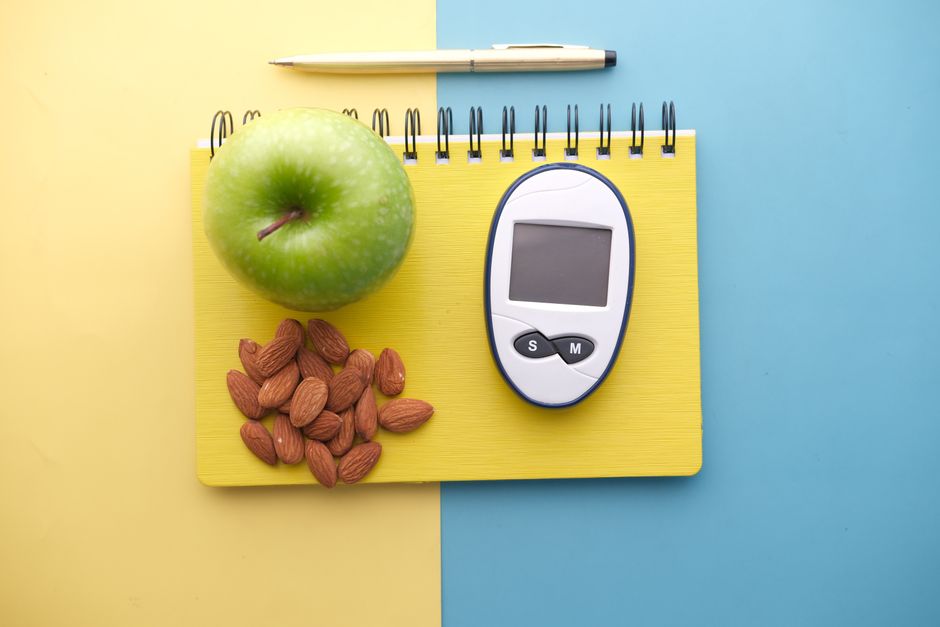
Home glucose monitors measure capillary blood sugar from a finger prick. They are essential tools for people with diabetes who need to adjust insulin doses or evaluate how meals and activities affect their glucose levels. For people without diabetes, routine home monitoring is generally not necessary.
Continuous glucose monitors (CGMs) are devices that measure interstitial glucose every few minutes. They provide real-time data and trend information without repeated finger pricks. CGMs were originally developed for people with type 1 diabetes, but they are increasingly used by people with type 2 diabetes and even by people without diabetes who want to understand their metabolic health.
The evidence on CGM use in people without diabetes is still emerging. Some research suggests that seeing real-time glucose responses can help people make better food choices. However, no large clinical trials have confirmed that CGM-guided dietary changes produce better long-term health outcomes than standard dietary advice. If you are considering a CGM for non-medical reasons, understand that the device shows you data, but the interpretation and action plan still require professional guidance.
Frequently Asked Questions
What is a normal blood sugar level for a person without diabetes?
A normal fasting blood sugar is between 70 and 99 mg/dL. Two hours after a meal, a normal reading is under 140 mg/dL.
What blood sugar level indicates diabetes?
A fasting blood sugar of 126 mg/dL or higher on two separate tests indicates diabetes. An A1C of 6.5 percent or higher also indicates diabetes.
Is 100 mg/dL fasting blood sugar too high?
A fasting reading of 100 mg/dL is in the prediabetes range. It is not diabetes, but it signals that your blood sugar regulation is no longer optimal.
How often should I check my blood sugar?
If you do not have diabetes, routine home monitoring is not necessary. If you have diabetes, your doctor will recommend a testing schedule based on your medication regimen and treatment goals.
