
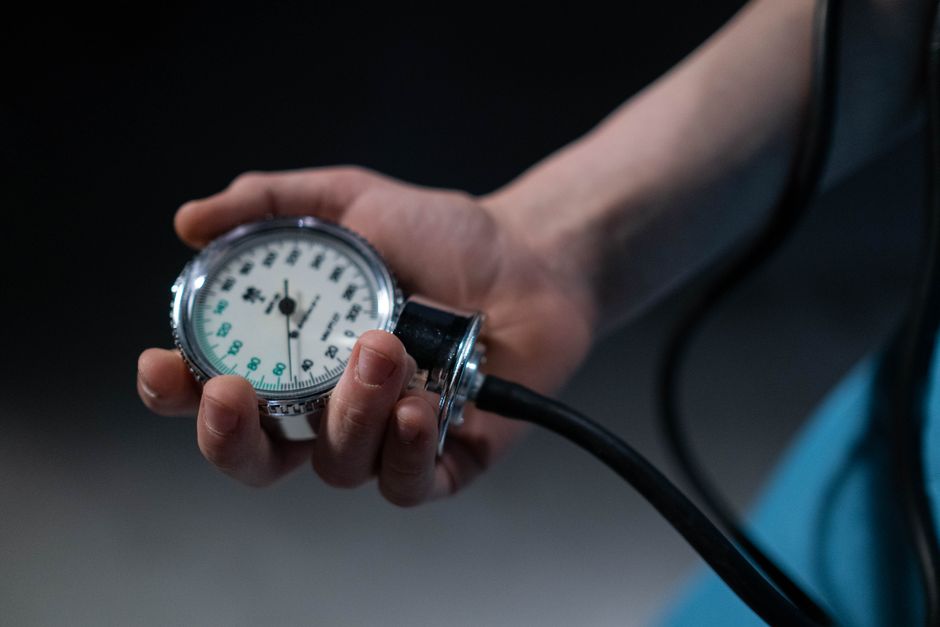
Blood pressure is the force of blood pushing against your artery walls as your heart pumps. Optimal blood pressure is generally considered to be below 120/80 mmHg, while normal blood pressure sits in that same range. The first number, systolic pressure, measures the force when your heart beats. The second, diastolic pressure, measures it between beats. When both numbers stay below 120/80, your arteries face the least strain.
What Do the Blood Pressure Numbers Actually Mean?
The top number tells you how hard your heart pushes blood out. The bottom number tells you how much pressure remains in your arteries while your heart rests between beats. Both matter, but they matter in different ways at different ages.
For adults under 50, the diastolic number is often the more telling signal of cardiovascular risk. After 50, systolic pressure tends to carry more weight. This shift happens because arteries stiffen with age, which raises the top number more than the bottom one.
The American Heart Association and the American College of Cardiology recognize these categories for adults:
- Normal: below 120/80 mmHg
- Elevated: systolic 120-129 and diastolic below 80
- Stage 1 hypertension: systolic 130-139 or diastolic 80-89
- Stage 2 hypertension: systolic 140 or higher, or diastolic 90 or higher
- Hypertensive crisis: systolic over 180 and/or diastolic over 120 — this requires immediate medical attention
One reading does not define you. Blood pressure changes throughout the day. It rises when you exercise, drops when you sleep, and shifts with stress, caffeine, and even how you’re sitting. A diagnosis requires multiple readings over time, usually across several visits.
Why Is Blood Pressure Below 120/80 Considered Optimal?
The relationship between blood pressure and cardiovascular risk is continuous. That means risk doesn’t suddenly appear at 140/90 — it starts climbing from much lower numbers. Large observational studies have consistently found that the risk of heart attack, stroke, and heart failure rises progressively as blood pressure increases, even within ranges once considered normal.
This is why 120/80 became the reference point. It’s not a magic threshold where you’re suddenly safe. It’s the level where population-level risk is lowest.
That said, lower is not always better for everyone. Some people naturally run at 100/60 and feel fine. Others feel dizzy and fatigued at that level. The optimal number for you depends on your age, other health conditions, and how your body responds. A person with coronary artery disease, for example, may need a higher blood pressure to keep enough blood flowing to the heart.
What Is Optimal Blood Pressure by Age?
Blood pressure norms shift with age. What’s typical at 25 is not what’s typical at 65. But typical does not mean optimal.
Systolic pressure tends to rise steadily from early adulthood through late life. Diastolic pressure rises until about age 50, then often declines as arteries lose elasticity. This is why isolated systolic hypertension — a high top number with a normal bottom number — is the most common form of high blood pressure in older adults.
In children and teenagers, normal ranges depend on age, sex, and height percentile. There is no single number that applies to all young people. Pediatric guidelines use percentile-based charts rather than fixed cutoffs.
For adults, the same categories apply regardless of age. A 70-year-old with a blood pressure of 150/85 has stage 2 hypertension by the standard definition. Some clinicians may consider individual factors when deciding how aggressively to treat, but the diagnostic thresholds themselves don’t change with age.

How Is Blood Pressure Measured Accurately?
Most blood pressure readings in a doctor’s office are slightly higher than your typical pressure at home. This is called white coat effect, and it’s common. Some people also have masked hypertension — normal readings at the doctor but high readings at home. Both patterns can lead to incorrect decisions about treatment.
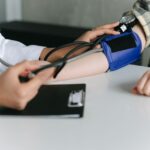
Accurate measurement matters more than most people realize. Small errors in technique can shift a reading by 10 to 15 mmHg or more. Here is what proper measurement looks like:
- Sit quietly for at least five minutes before the reading
- Keep your back supported and feet flat on the floor
- Rest your arm on a surface so the cuff is at heart level
- Use a cuff that fits your arm — too small a cuff reads high
- Avoid caffeine, exercise, and smoking for at least 30 minutes before
- Take two or three readings one minute apart and average them
Home monitoring with a validated upper-arm cuff gives a more complete picture than occasional office readings. Some research suggests home readings predict cardiovascular outcomes better than office measurements, though both have value. If you monitor at home, bring your device to a doctor’s visit to check it against theirs.
What Raises Blood Pressure?
High blood pressure usually has no symptoms. That’s why it’s called the silent killer. Most people with hypertension feel completely normal until damage has already occurred.
The causes fall into two broad groups. Primary hypertension, which accounts for the large majority of cases, develops gradually from a combination of genetics, age, and lifestyle. Secondary hypertension has a specific underlying cause — kidney disease, hormonal disorders, sleep apnea, or certain medications.
Factors that raise blood pressure include:
- Excess sodium intake
- Low potassium intake
- Chronic stress
- Heavy alcohol use
- Physical inactivity
- Obesity, especially around the waist
- Sleep apnea
- Family history of hypertension
- Advancing age
Sodium is the most studied dietary factor. The relationship between sodium and blood pressure is well established, though individual sensitivity varies considerably. Some people see large changes from reducing salt; others see modest ones. Potassium works in the opposite direction — it helps the body excrete sodium and relax blood vessel walls.
Can You Lower Blood Pressure Without Medication?
Lifestyle changes can lower blood pressure meaningfully for many people with mild elevation. For those with stage 1 hypertension and low overall cardiovascular risk, guidelines often recommend a trial of lifestyle modification before starting medication.
The evidence is strongest for these approaches:
- Weight loss: Losing excess weight can reduce blood pressure, with effects generally proportional to the amount lost
- DASH eating pattern: A diet rich in fruits, vegetables, whole grains, and low-fat dairy has been shown in controlled trials to lower blood pressure
- Sodium reduction: Cutting sodium intake lowers blood pressure in many people, though the size of the effect varies
- Regular aerobic exercise: Consistent physical activity has a modest but reliable effect
- Limiting alcohol: Reducing heavy drinking lowers blood pressure
What about supplements? The evidence here is much weaker. Some small studies suggest magnesium or potassium supplements may help in certain populations, but the results are not consistent enough to recommend them broadly. No supplement has been shown to replace medication for someone who genuinely needs it.
If your blood pressure is significantly elevated, lifestyle changes alone may not be enough. That’s not a failure — it’s biology. Hypertension is a complex condition with strong genetic components. Medication is not a sign of weakness; it’s a tool that works.
When Should You Be Concerned?
A single high reading is not an emergency. Stress, pain, and even the act of having your blood pressure taken can push numbers up temporarily. What matters is the pattern over time.
See a doctor if your readings are consistently at or above 130/80. If your blood pressure is above 180/120 and you have symptoms like chest pain, shortness of breath, severe headache, vision changes, or difficulty speaking, seek emergency care immediately. A reading above 180/120 without symptoms should be rechecked after five minutes of rest — if it remains that high, contact a doctor right away.
The good news is that blood pressure is one of the most modifiable risk factors for heart disease and stroke. Small, sustained changes often produce meaningful results. The key word is sustained. A week of healthy eating won’t change your baseline, but months of consistent habits can.
Frequently Asked Questions
What is the ideal blood pressure for a healthy adult?
For most healthy adults, optimal blood pressure is below 120/80 mmHg. This is the range associated with the lowest cardiovascular risk in large population studies.
Is 130/80 considered high blood pressure?
Yes. According to the American College of Cardiology and American Heart Association, 130/80 falls into stage 1 hypertension. Some clinicians may consider other risk factors before recommending treatment.
Can blood pressure be too low?
Yes, though what counts as too low varies by person. A reading like 90/60 may be normal for some people but cause dizziness or fainting in others.
How often should I check my blood pressure?
If your readings are normal, checking at routine medical visits is usually enough. If you have elevated readings or hypertension, home monitoring is often recommended, though the right frequency depends on your situation.
