
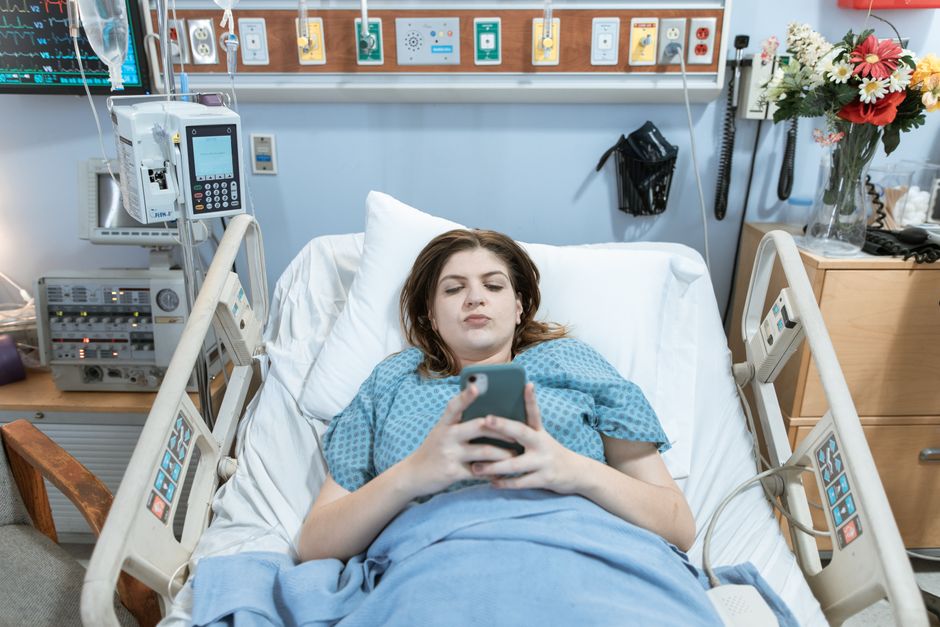
Most people feel back to normal within 24 hours of a colonoscopy. The procedure itself takes only 30 to 60 minutes, but the recovery process involves two distinct phases: the immediate waking period in the clinic and the full day of rest that follows. You will need someone to drive you home, and you should plan to take the rest of the day off from work and normal responsibilities.
What Is The Recovery Time For A Colonoscopy?
The recovery room phase lasts about 30 to 60 minutes. You stay there while the sedation wears off enough for you to wake up, drink fluids, and get dressed. Most clinics will not discharge you until your blood pressure and heart rate are stable and you can walk without help.
The full recovery period is typically 24 hours. This is the window during which the sedation drugs continue to affect your judgment, coordination, and reaction time. Even if you feel alert a few hours after the procedure, the medication is still in your system. That is why the standard medical advice is to avoid driving, operating machinery, and making important decisions for a full day.
What Happens Immediately After The Procedure?
You wake up in a recovery area where nurses monitor your vital signs. You may feel drowsy, groggy, or slightly confused. This is normal and expected. The sedation used for colonoscopy is called conscious sedation or monitored anesthesia care, and it wears off gradually rather than all at once.
Many people pass gas or feel bloated right after waking. The doctor pumps air or carbon dioxide into the colon during the procedure to see the walls clearly. This gas needs to exit your body, and it usually does within a few hours. Walking slowly helps move the gas along and reduces cramping.
You may also have a mild sore throat if a breathing tube was used, though this is less common with lighter sedation. Some people notice slight rectal discomfort or a small amount of blood in their first bowel movement, especially if polyps were removed. A small amount of blood is generally not concerning, but you should call your doctor if it continues beyond one bowel movement or if you pass large clots.
How Long Until You Can Eat Normally?
You can usually eat a light meal as soon as you feel ready after waking up. Most clinics offer crackers and juice in the recovery area. There are no universal restrictions on what you can eat after a standard colonoscopy without polyp removal.
If polyps were removed, your doctor may recommend a soft or low-residue diet for a day or two. This means avoiding raw vegetables, nuts, seeds, and popcorn. These foods could irritate the healing tissue where polyps were taken out. Your doctor will give you specific instructions if this applies to you.
Drinking extra water for the first 24 hours is a good idea. The bowel preparation dehydrates you, and the procedure itself involves fluid shifts. Clear fluids, broth, and electrolyte drinks help restore your body’s balance.




When Can You Drive After A Colonoscopy?
You cannot drive yourself home after a colonoscopy. This is not optional. The sedation drugs impair reaction time and judgment even when you feel fine. Every reputable clinic requires you to arrange a ride before the procedure.
You should not drive for 24 hours after the sedation. Studies consistently show that psychomotor skills remain impaired for this full period, even in people who feel completely awake. The same applies to riding a bicycle, operating power tools, or doing any activity where slowed reaction time could cause injury.
Public transportation is also not ideal for the immediate trip home. You need someone who can stay with you for the first few hours in case of dizziness, nausea, or unexpected side effects. If you truly have no one to help, talk to your clinic beforehand. They can help you arrange medical transport, but you should never take a taxi or rideshare alone immediately after sedation.
When Can You Return To Work And Exercise?
Most people return to desk work the day after the procedure. Sedentary jobs rarely require more than a single day off. If you work from home and do not need to drive, you might feel up to light work the same evening, but most doctors recommend against it. Your focus and memory can still be off for several hours.
Physical exercise follows a different timeline. Light walking is encouraged right away. It helps relieve gas and prevents blood clots. More strenuous activity depends on whether polyps were removed.
If no polyps were removed, you can usually resume your normal workout routine the next day. If polyps were removed, especially larger ones, your doctor may advise waiting several days to a week before heavy lifting or intense abdominal exercise. This reduces the risk of bleeding from the polyp removal site. Ask your doctor for specific guidance based on your procedure.
What Are The Signs Of Complications To Watch For?
Serious complications from colonoscopy are rare, but they do happen. Knowing the warning signs helps you respond quickly if something goes wrong. The most important complications to watch for are bleeding, perforation, and reactions to sedation.
Call your doctor or seek emergency care if you experience any of the following:
- Heavy bleeding from the rectum or blood in multiple bowel movements
- Severe abdominal pain that gets worse rather than better
- Fever over 100.4°F (38°C)
- Dizziness, fainting, or rapid heart rate
- Difficulty breathing or chest pain
- Vomiting that prevents you from keeping fluids down
Perforation, a tear in the colon wall, is the most serious complication. It occurs in roughly 1 in 1,000 to 1 in 3,000 procedures. Symptoms include severe pain, fever, and abdominal swelling. This is a medical emergency that requires immediate treatment.
Delayed bleeding can occur up to two weeks after polyp removal. It is usually minor and stops on its own, but you should report any bleeding to your doctor. If you take blood thinners, your doctor will give you specific instructions about when to restart them.
How Does Sedation Affect Your Recovery Day?
The type of sedation you receive directly affects how you feel afterward. Many colonoscopies use propofol, a short-acting drug that wears off quickly. You may feel clear-headed within 30 minutes of the procedure ending, but the drug continues to affect your body for hours.
Other procedures use a combination of a benzodiazepine like midazolam and a narcotic like fentanyl. These drugs have longer-lasting effects and may leave you feeling sleepy or foggy for the rest of the day. Some people experience nausea from the narcotic component.
Your age, weight, liver function, and overall health influence how quickly your body clears these drugs. Older adults and people with liver conditions may metabolize sedation more slowly. Be honest with your doctor about all medications and supplements you take, as some can prolong sedation effects.
Frequently Asked Questions
Can I go back to work the same day as my colonoscopy?
No, you should plan to take the rest of the day off. Sedation affects your judgment and coordination for up to 24 hours, even if you feel alert.
How long does gas and bloating last after a colonoscopy?
Gas and bloating usually resolve within a few hours. Walking slowly and passing gas helps speed up the process.
When can I drink alcohol after a colonoscopy?
Wait at least 24 hours before drinking alcohol. Combining alcohol with residual sedation drugs can intensify their effects and impair your judgment further.
Is it normal to have a small amount of blood after a colonoscopy?
A small amount of blood in your first bowel movement can be normal, especially if polyps were removed. Contact your doctor if bleeding continues beyond one bowel movement or if you pass large clots.
