
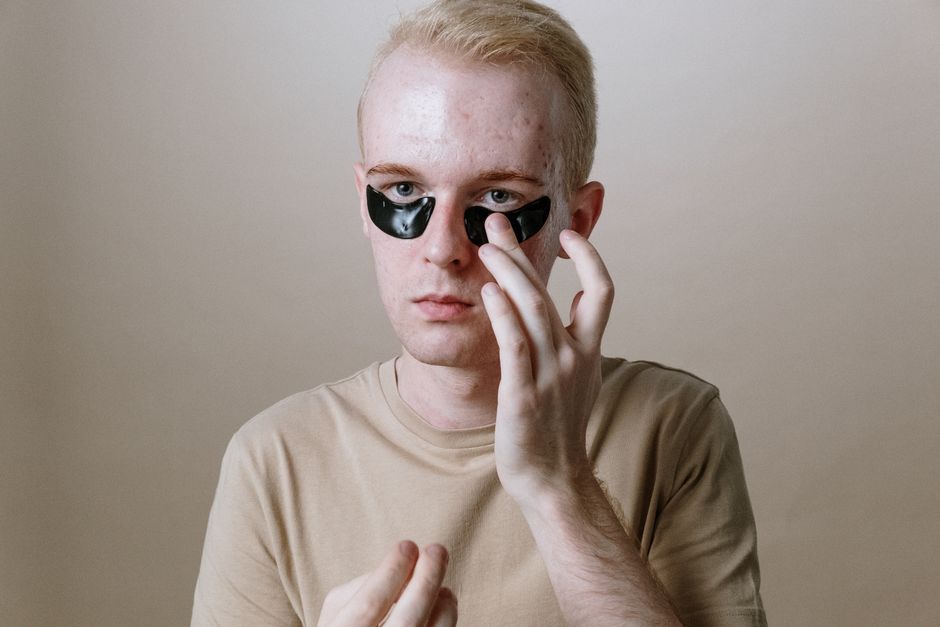
Waking up with puffy eyes is common, and for most people it is a temporary nuisance rather than a medical problem. The reason is usually fluid buildup in the thin skin around your eyes, often triggered by sleep habits, diet, or allergies. While the occasional puffy morning is normal, persistent swelling can sometimes point to an underlying health condition worth discussing with a doctor.
What Is The Reason Of Puffy Eyes
The skin around your eyes is the thinnest skin on your body. It has little fat and few supporting structures, so it shows changes in fluid balance quickly. When fluid gathers in this tissue, it looks swollen and puffy. This is called periorbital edema.
Several everyday factors cause this fluid shift. Sleeping flat allows fluid to pool around your head and face overnight. Gravity does the rest. A salty meal the night before makes your body hold onto water, and some of it settles under your eyes. Crying causes fluid to shift into the tissue because the tear glands and surrounding blood vessels become inflamed. Allergies trigger the release of histamine, which dilates blood vessels and lets fluid leak into the soft tissue.
Most of the time, puffy eyes are harmless and fade within a few hours. The swelling is a cosmetic issue, not a sign of disease. But if the puffiness is severe, painful, or does not go away, it deserves attention.
What Causes Puffy Eyes in the Morning
Morning puffiness is the most common complaint. It happens because your body redistributes fluid while you lie still for hours. Your lymphatic system, which normally drains excess fluid, slows down during sleep. Fluid that would normally circulate gets trapped in the loose tissue around your eyes.
Sleep position matters. Side sleepers and stomach sleepers often wake with puffier eyes than back sleepers because gravity pushes fluid toward the face. Elevating your head with an extra pillow helps some people reduce morning swelling.
Diet plays a direct role. Sodium makes your body retain water. A dinner high in salt — think processed foods, restaurant meals, soy sauce, or cured meats — can leave you visibly puffy the next morning. Alcohol has a similar effect because it dehydrates you and disrupts your sleep, which changes how your body handles fluids overnight.
Not getting enough sleep also contributes. Sleep deprivation increases inflammation markers in the body and reduces lymphatic drainage. Some research suggests that chronic short sleep is linked to more visible signs of aging and puffiness around the eyes, though the exact mechanism is not fully established.
Allergies and Puffy Eyes
Allergic reactions are a leading cause of puffy eyes that last beyond the morning. When your immune system encounters something it sees as a threat — pollen, dust mites, pet dander, mold — it releases histamine. Histamine makes small blood vessels widen and become leaky. Fluid escapes into the surrounding tissue, and the area swells.
Allergy-related puffiness usually comes with other symptoms. Itching is the most telling sign. Redness, watery eyes, sneezing, and a stuffy nose often accompany the swelling. If your eyes puff up and itch at the same time, allergies are the likely cause.
Eye rubbing makes it worse. Rubbing stimulates more histamine release and physically pushes fluid into the tissue. It also breaks tiny blood vessels, which can lead to dark circles that last longer than the puffiness itself.
Over-the-counter antihistamines can reduce allergy symptoms, but they may cause drowsiness. Cold compresses help constrict blood vessels and reduce swelling temporarily. If allergies are severe or persistent, an allergist can help identify the specific trigger.




Lifestyle Factors That Make Puffy Eyes Worse
Several daily habits directly affect how puffy your eyes look. Salt intake is the biggest dietary factor. The average American consumes far more sodium than the recommended limit, and much of it comes from processed and restaurant food rather than the salt shaker. If you eat out often or rely on packaged meals, your sodium intake is likely higher than you think.
Alcohol and caffeine both affect hydration. Alcohol is a diuretic, which sounds like it would reduce fluid — but it actually disrupts your body’s fluid balance and can lead to rebound fluid retention. Caffeine is also a diuretic, but its effect is mild. For some people, cutting back on evening alcohol reduces morning puffiness noticeably.
Sleep quality matters more than sleep duration in some cases. Poor sleep, fragmented sleep, or sleeping in an awkward position can all contribute to puffiness. The relationship between sleep and eye puffiness is well documented in clinical observation, though large controlled studies are limited.
Cosmetics can be a hidden culprit. Some people have mild allergic reactions to eye creams, mascara, or makeup remover. If your puffiness started around the same time you changed products, consider switching to fragrance-free, hypoallergenic options. Leaving makeup on overnight can also irritate the eye area and cause swelling.
Medical Conditions That Cause Puffy Eyes
Sometimes puffy eyes signal a medical condition that needs evaluation. Persistent puffiness that does not improve with lifestyle changes, or that comes with other symptoms, should not be ignored.
Thyroid eye disease is a condition where the immune system attacks the tissues around the eyes. It causes swelling, bulging of the eyes, dryness, and sometimes double vision. This condition is associated with Graves’ disease, an autoimmune thyroid disorder. Puffiness from thyroid eye disease usually affects both eyes and does not come and go with sleep or diet.
Kidney disease can cause fluid retention throughout the body, including around the eyes. When the kidneys cannot filter properly, excess fluid accumulates in tissues. Eye puffiness from kidney disease is usually accompanied by swelling in the hands, feet, or ankles. It does not improve with sleep position or cold compresses.
Heart failure reduces the heart’s ability to pump blood effectively, which can lead to fluid buildup in various parts of the body. Puffiness around the eyes is not the most common sign, but it can occur, especially alongside shortness of breath, fatigue, and swelling in the legs.
Infections can cause swelling in one eye. A stye, conjunctivitis, or cellulitis around the eye will cause redness, pain, and swelling. If only one eye is puffy and it hurts, see a doctor. This is different from the bilateral, painless puffiness of a salty dinner or allergy attack.
How to Reduce Puffy Eyes at Home
For the common, temporary kind of puffiness, simple home measures work well. A cold compress is the fastest option. Cold constricts blood vessels and reduces fluid in the tissue. A clean washcloth soaked in cold water, chilled cucumber slices, or a gel eye mask kept in the refrigerator all work. Apply for 10 to 15 minutes.
Elevating your head while sleeping helps prevent fluid pooling. An extra pillow or a slightly raised mattress head can make a difference for people who wake up puffy regularly.
Gentle massage can help drain lymphatic fluid. Using your ring finger, tap lightly from the inner corner of your eye outward toward your temples. This follows the natural lymphatic drainage pathway. Do not press hard — the skin is delicate, and aggressive rubbing causes more irritation.
Reducing sodium in your diet has the most lasting effect for people who eat a high-salt diet. Cooking more meals at home, reading nutrition labels, and choosing fresh foods over packaged ones will lower your daily sodium intake. Drinking enough water helps your kidneys flush excess sodium, though it will not reverse the effects of a very salty meal instantly.
For allergy-related puffiness, avoiding the trigger is the most effective strategy. If you cannot identify the trigger, an over-the-counter antihistamine during allergy season may help. Cold compresses provide immediate relief by reducing histamine-driven swelling.
When to See a Doctor
Most puffy eyes resolve on their own and do not require medical care. But some situations warrant a doctor’s visit.
See a doctor if the puffiness is severe, comes on suddenly, or affects only one eye. Pain, redness, discharge, or changes in vision alongside swelling are warning signs. Puffiness that persists for more than a few days despite home treatment deserves evaluation.
If the swelling is part of a broader pattern — fatigue, weight gain, swelling in your hands or feet, shortness of breath — your doctor should evaluate for underlying conditions like kidney, thyroid, or heart problems. A simple blood test and physical exam can usually determine whether further testing is needed.
Puffy eyes are rarely an emergency, but they can be a clue. When they come with other symptoms or refuse to go away, they deserve the same attention you would give any other persistent bodily change.
Frequently Asked Questions
How long do puffy eyes usually last?
Most puffy eyes from sleep, salt, or crying resolve within a few hours. Allergy-related puffiness can last as long as you are exposed to the trigger.
Does drinking more water help puffy eyes?
Staying hydrated helps your body regulate fluid balance, but it will not instantly reverse puffiness from a high-salt meal. Consistent hydration along with reduced sodium intake is more effective than drinking extra water after the fact.
Are eye creams effective for puffy eyes?
Some eye creams containing caffeine or cooling ingredients can temporarily reduce puffiness by constricting blood vessels. The effect is short-lived, and no cream has been shown to permanently change the structure of the eye area.
Can puffy eyes be a sign of something serious?
Yes, in some cases. Persistent puffiness with other symptoms like leg swelling, fatigue, or eye pain can indicate thyroid, kidney, or heart conditions that need medical evaluation.
