
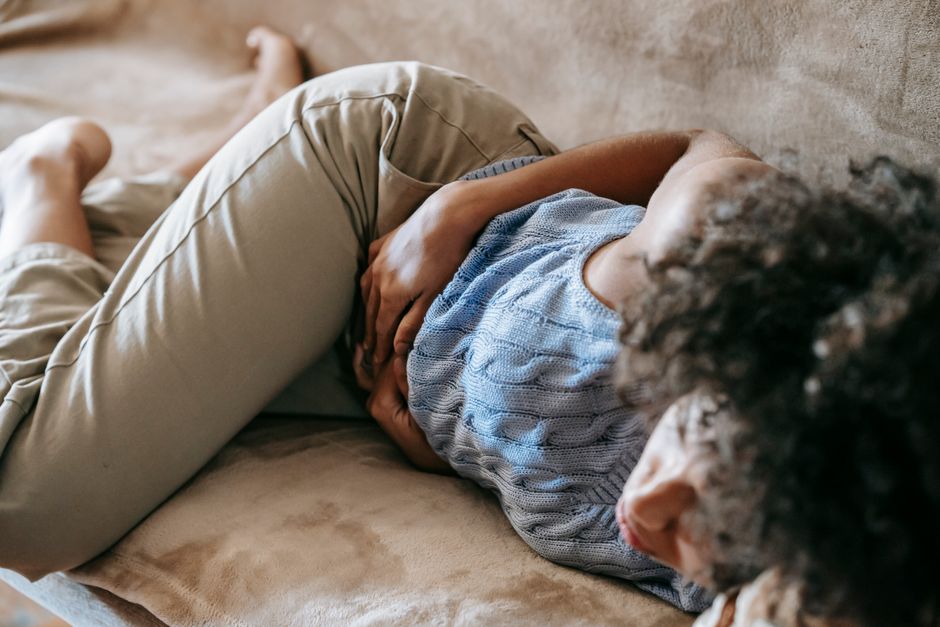
Toe cramps happen when the muscles in your toes suddenly tighten and refuse to relax. This involuntary spasm can last a few seconds or several minutes. The most common reasons are dehydration, low electrolytes like potassium or magnesium, poor blood flow, and nerve issues. Sometimes the cause is as simple as wearing shoes that are too tight or sleeping with your toes pointed down all night.
What Exactly Happens in Your Body During a Toe Cramp?
A muscle cramp is a sudden, uncontrolled contraction. Nerves send signals telling the muscle fibers to squeeze tight. Normally, after the signal stops, the muscle relaxes. During a cramp, the signal keeps firing or the muscle cannot release properly.
Your toe muscles are small but they work hard. They help you balance, push off when walking, and grip the ground. When these muscles cramp, the pain can feel sharp and intense even though the muscle itself is tiny. The cramp usually hits the flexor muscles that curl your toes downward.
Research published in the journal Muscle & Nerve suggests that cramps may also involve the spinal nerves getting overexcited. This is why stretching often helps — it sends a calming signal back to the spinal cord that stops the cramp.
What Are the Most Common Causes of Toe Cramps?
Dehydration and electrolyte imbalance are two of the biggest triggers. Your muscles need the right balance of sodium, potassium, calcium, and magnesium to contract and relax properly. When you sweat a lot from exercise or heat, you lose these minerals. Drinking plain water without replacing electrolytes can actually make cramps worse because it dilutes what is left.
Poor circulation is another major cause. If blood flow to your feet is reduced, your muscles do not get enough oxygen. This can happen from sitting for long periods, crossing your legs, or wearing tight socks or shoes. Peripheral artery disease (PAD) is a more serious circulation problem that can cause toe cramps, especially at night.
Nerve compression or damage can also trigger cramps. Conditions like sciatica, where a nerve in your lower back is pinched, can send pain and cramping down into your toes. Diabetic neuropathy is another example — damaged nerves misfire and cause muscles to spasm.
Foot position during sleep is a very common but overlooked cause. When you sleep on your back with your toes pointing downward (plantar flexion), the calf muscles shorten. This position makes them more likely to cramp. The American Academy of Orthopaedic Surgeons notes that night cramps often happen because of this sustained foot position.
When Should You Worry About Toe Cramps?
Most toe cramps are harmless and go away on their own. But some cases need medical attention. If your cramps happen frequently, last longer than 10 minutes, or come with swelling, redness, or skin changes, see a doctor.
The CDC reports that about 1 in 20 adults over age 50 has peripheral artery disease. Many do not know it. One early sign is cramping in the feet or toes during activity that stops when you rest. If this sounds familiar, ask your doctor about a simple ankle-brachial index test.
Other warning signs include numbness or tingling in the toes, weakness in the foot, or cramps that wake you up every night. These could point to nerve issues, thyroid problems, or medication side effects. Statins and diuretics are two types of drugs known to increase cramp risk in some people.



What Actually Helps Stop a Toe Cramp Fast?
When a cramp hits, the fastest relief comes from stretching. Gently pull your toes upward toward your shin. Hold for 30 seconds. This stretches the cramped muscle and tells the nerve to stop firing. If you cannot reach your foot, use a towel or strap to pull your toes back.
Massage also works. Rub the cramped muscle firmly in a circular motion. This increases blood flow and helps the muscle relax. Some people find applying heat (a warm towel or heating pad) helps during a cramp, while cold packs work better for soreness after the cramp stops.
Walking around can help too. The weight and movement of standing sends signals to your muscles to relax. If you get cramps at night, get out of bed and stand up. Put your full weight on the affected foot. This often stops the cramp within 30 seconds.
| Remedy | How It Works | How Fast It Works |
|---|---|---|
| Stretch toes upward | Activates opposing muscle, stops nerve signal | 15-30 seconds |
| Massage | Increases blood flow, relaxes muscle | 30-60 seconds |
| Stand and bear weight | Uses body weight to lengthen muscle | 20-40 seconds |
| Heat pack | Improves circulation, relaxes tight muscle | 2-5 minutes |
Can You Prevent Toe Cramps Long Term?
Hydrate properly throughout the day. If you exercise or sweat heavily, use an electrolyte drink or add a pinch of salt to your water. Do not rely on water alone after intense sweating. The American College of Sports Medicine recommends replacing both fluids and electrolytes during prolonged activity.
Stretch your feet and calves daily. A simple calf stretch against a wall, done for 30 seconds on each leg, can dramatically reduce nighttime cramps. Toe stretches where you curl and then spread your toes also help. Stretching before bed is especially useful if you get night cramps.
Wear shoes that fit properly. Shoes that are too narrow or too short compress your toes and restrict blood flow. Look for a toe box that gives your toes room to wiggle. Avoid high heels for long periods — they keep your feet in a cramped position that makes muscles prone to spasms.
Check your electrolyte intake. Potassium-rich foods like bananas, sweet potatoes, and spinach help. Magnesium is found in nuts, seeds, and dark leafy greens. Calcium from dairy or fortified plant milks also matters. Some studies suggest that magnesium supplements may help people who get frequent cramps, though evidence is mixed. The National Institutes of Health notes that magnesium works best for people who are already low in it.
What Common Myths About Toe Cramps Are Wrong?
Myth: Drinking pickle juice works because of electrolytes. Pickle juice does stop cramps fast for some people, but research suggests the effect comes from the vinegar triggering a reflex in the back of the throat that calms the nerves. It is not the salt content doing the work. The study published in Medicine & Science in Sports & Exercise found the cramp stopped within 85 seconds of drinking pickle juice — too fast for the electrolytes to reach the muscles.
Myth: Cramps always mean you are low on potassium. Potassium deficiency can cause cramps, but it is not the most common cause. Dehydration, poor circulation, and muscle fatigue are more frequent triggers. Eating a banana will not fix a cramp caused by tight shoes or poor blood flow.
Myth: Quinine from tonic water prevents cramps. The FDA has warned against using quinine for cramps. It can cause serious side effects including heart rhythm problems and bleeding. There is no clinical evidence that the tiny amount of quinine in tonic water has any effect on cramps. Do not rely on it.
Myth: Only older people get toe cramps. Age is a risk factor, but athletes, pregnant women, and people who stand for long hours also get them frequently. About 40 percent of pregnant women experience leg and foot cramps, especially in the third trimester, according to research in the Journal of Midwifery & Women’s Health.
Frequently Asked Questions
Can dehydration cause toe cramps even if I drink enough water?
Yes, if you are losing electrolytes through sweat without replacing them. Plain water alone can dilute your electrolyte levels and make cramps more likely.
Are toe cramps a sign of heart problems?
Not directly, but poor circulation in the legs can sometimes point to underlying cardiovascular issues. If cramps happen during walking and stop when you rest, ask your doctor about peripheral artery disease.
Does stretching before bed prevent toe cramps?
Yes, research shows that stretching your calves and feet before bed can reduce nighttime cramp frequency by about 50 percent in many people.
Can certain medications cause toe cramps?
Yes, statins, diuretics, and some blood pressure drugs are known to increase cramp risk in some people. Talk to your doctor before stopping any medication.
