
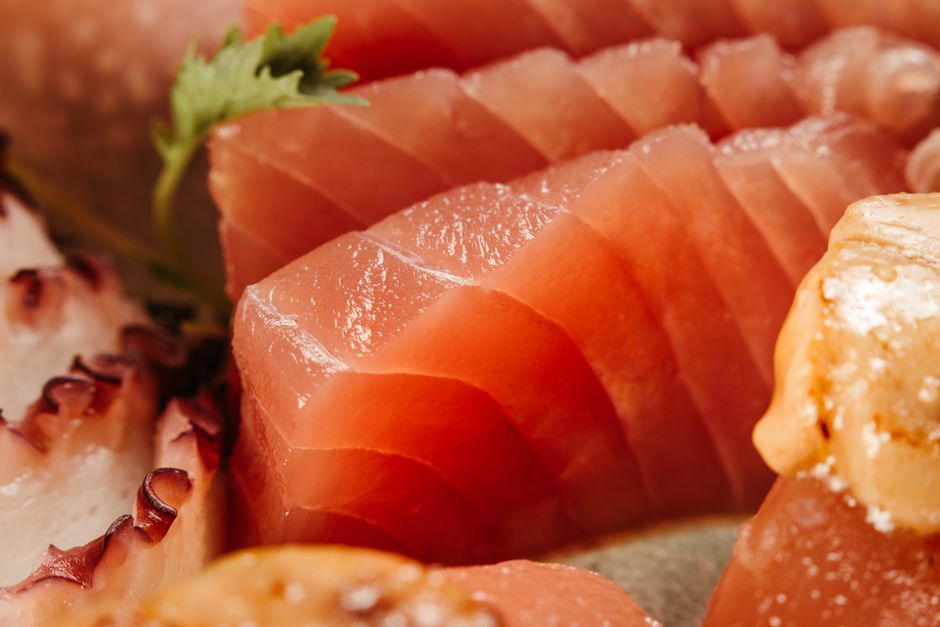
When you order sushi, the green paste and pink slices beside your plate are not just decorations. Wasabi adds heat and acts as a flavor enhancer, while pickled ginger cleanses your palate between different pieces of fish. Together, they let you taste each piece of sushi as it was intended, without the previous bite lingering on your tongue. Beyond flavor, both have a practical history tied to eating raw fish, though their modern versions differ from what you might expect.
Why Is Wasabi Served With Sushi?
Wasabi serves two main purposes: it adds a sharp, spicy kick and it was traditionally used for its antimicrobial properties. The heat from real wasabi hits your nasal passages rather than your tongue, which is a different sensation than chili peppers. This heat clears your sinuses and pairs well with the clean taste of raw fish.
The antimicrobial claim has some history behind it. Wasabi contains compounds called isothiocyanates, which have shown antibacterial effects in laboratory studies. Some research suggests these compounds can inhibit the growth of certain bacteria, which made wasabi a practical addition when sushi was sold from street stalls before refrigeration was reliable. However, you should not rely on wasabi to make unsafe fish safe. Modern food safety depends on proper handling and freezing, not on condiments.
The amount of wasabi typically served is far too small to provide meaningful protection against foodborne illness. Think of it as a flavorful tradition with a plausible historical rationale, not a food safety measure you can depend on.
Why Is Ginger Served With Sushi?
Pickled ginger, often called gari, is a palate cleanser. Its purpose is to reset your taste buds between different types of fish. When you move from a fatty tuna to a delicate white fish, the ginger clears the residual flavor so you can appreciate the next piece fully.
The vinegar and sugar used in the pickling process give ginger its sweet-tart flavor. This contrast helps neutralize the oily residue left by richer fish like salmon or mackerel. Chefs and sushi enthusiasts recommend eating a small slice of ginger between pieces, not on top of the sushi itself. Placing ginger on top of the sushi can mask the flavor of the fish, which defeats the purpose.
Ginger also has a mild digestive aid reputation. Some studies suggest ginger can help with nausea and digestion, though the amounts used with sushi are small. The primary function remains sensory, not medicinal.
Is The Wasabi Served In Most Restaurants Real Wasabi?
Most wasabi served outside of Japan is not real wasabi. True wasabi comes from the Wasabia japonica plant, which grows in cold, flowing mountain streams in Japan. It is expensive, difficult to cultivate, and loses its flavor quickly once grated. This makes it impractical for most restaurants.
What you usually get is a mixture of horseradish, mustard powder, and green food coloring. Horseradish belongs to the same botanical family as wasabi, and its chemical compounds produce a similar heat sensation. The mixture is cheaper, stable, and mimics the appearance and flavor profile closely enough that many diners cannot tell the difference.
High-end sushi restaurants in Japan may grate fresh wasabi root in front of you, but this is rare and costly. If you want to try real wasabi, you may find it at specialty Japanese grocery stores or premium restaurants, but expect to pay significantly more. The green paste in most takeout orders is essentially flavored horseradish, and there is nothing wrong with that. It serves the same culinary purpose at a fraction of the cost.





How Should You Eat Wasabi And Ginger With Sushi?
Traditional sushi etiquette has clear rules about wasabi and ginger, though modern practice is more relaxed. In Japan, sushi chefs often place wasabi directly between the fish and the rice before serving. This means you do not need to add more wasabi yourself. If you prefer extra heat, use your chopsticks to apply a small amount directly to the fish, not into the soy sauce.
Mixing wasabi into your soy sauce is common in Western sushi restaurants but is considered poor form in traditional Japanese dining. The chef has already seasoned the sushi, and dissolving wasabi in soy sauce can overwhelm the delicate balance of flavors. That said, how you eat your sushi is a personal choice. If you enjoy the wasabi-soy sauce mixture, there is no health reason to avoid it.
Ginger should be eaten between pieces of sushi, not with them. Take a slice, chew it slowly, and let the flavors clear before moving to the next piece. Some people also eat ginger at the end of the meal as a breath freshener, which is a practical and pleasant way to finish.
One important note about dipping: dip the fish side of the sushi into soy sauce, not the rice side. The rice will absorb too much soy sauce and fall apart, ruining the texture. The fish side picks up just enough flavor without overwhelming the bite.
Are There Health Benefits To Wasabi And Ginger?
Both wasabi and ginger contain compounds that have been studied for potential health benefits, but the amounts served with sushi are small. Ginger has stronger evidence behind its health effects than wasabi does.
Ginger has been studied for its anti-nausea properties, particularly in pregnancy and chemotherapy patients. Some research also suggests it has anti-inflammatory effects. The pickled ginger served with sushi contains these compounds, but the vinegar and sugar in the pickling process change the profile. You would need to eat a large amount to get a meaningful dose.
Wasabi’s isothiocyanates have shown antibacterial and anti-inflammatory activity in laboratory studies. Some research has explored whether these compounds might have anticancer properties, but this work is early and mostly in test tubes or animal models. No clinical evidence currently confirms that eating wasabi with sushi reduces cancer risk in humans.
There is a common claim that wasabi and ginger protect against parasites in raw fish. This is not supported by evidence. The primary protection against parasites in sushi is the freezing process. Commercial sushi fish in the United States is typically frozen at temperatures that kill parasites before it is served raw. Neither wasabi nor ginger can kill parasites that survive in the fish.
The honest position is that these condiments are flavorful additions with some interesting chemistry, but they are not health supplements. Enjoy them for taste, not for medical reasons.
What Is The Difference Between Pickled Ginger And Fresh Ginger?
Pickled ginger is fresh ginger root that has been sliced thin and preserved in a mixture of vinegar, sugar, and salt. The pickling process softens the ginger’s sharp bite and gives it the sweet-sour flavor associated with sushi. The pink color is either natural, from young ginger, or added with food coloring in commercial versions.
Fresh ginger has a much stronger, spicier flavor and a fibrous texture. It is used in cooking across many cuisines, from stir-fries to teas. Fresh ginger does not serve the same palate-cleansing role as pickled ginger because its intensity would overwhelm the fish rather than reset your taste buds.
Young ginger, harvested early, is naturally pink and more tender. This is the traditional choice for making gari. Mature ginger is more fibrous and hotter, which is why it is usually reserved for cooking. If you make pickled ginger at home, you can control the sweetness and spice level, but commercial versions are consistent and convenient.
The sugar content in pickled ginger is worth noting if you are watching your carbohydrate intake. A typical serving contains a few grams of sugar from the pickling liquid. This is not a significant amount for most people, but it is not a sugar-free food.
Why Do Some People Avoid Wasabi And Ginger?
Some people avoid wasabi and ginger for medical reasons. Wasabi’s heat can trigger symptoms in people with acid reflux or sensitive stomachs. The isothiocyanates that create the heat can irritate the esophagus and stomach lining, especially in large amounts.
Pickled ginger contains sodium and sugar, which matters if you are on a low-sodium or low-sugar diet. A typical serving of pickled ginger contains a noticeable amount of salt from the pickling brine. If you are managing high blood pressure or diabetes, you may want to limit your intake or ask for the ginger on the side.
Allergic reactions to ginger are rare but possible. Symptoms can include skin irritation, hives, or digestive discomfort. Wasabi allergy is also uncommon, but the horseradish mixture used in most restaurants can trigger reactions in people sensitive to horseradish or mustard.
If you have a known sensitivity to these foods, there is no reason to force yourself to eat them. Sushi is perfectly enjoyable without either condiment. You can also request no wasabi or ginger when ordering, and most restaurants will accommodate you.
Frequently Asked Questions
Is wasabi supposed to be mixed into soy sauce?
Traditionally, no, but it is a common Western practice that many people enjoy. If you prefer the flavor, there is no health reason to avoid mixing them.
Can wasabi and ginger prevent food poisoning from raw fish?
No, neither condiment can make unsafe fish safe to eat. Proper freezing and handling are what protect you from parasites and bacteria in sushi.
Why does wasabi burn my nose instead of my tongue?
Wasabi contains compounds that vaporize and stimulate your nasal passages when you inhale. This is different from chili peppers, which activate pain receptors on your tongue.
Is the pink ginger dyed?
Sometimes, but not always. Young ginger is naturally pink, while mature ginger turns pale yellow when pickled. Many commercial brands add food coloring to achieve a consistent pink color.
