
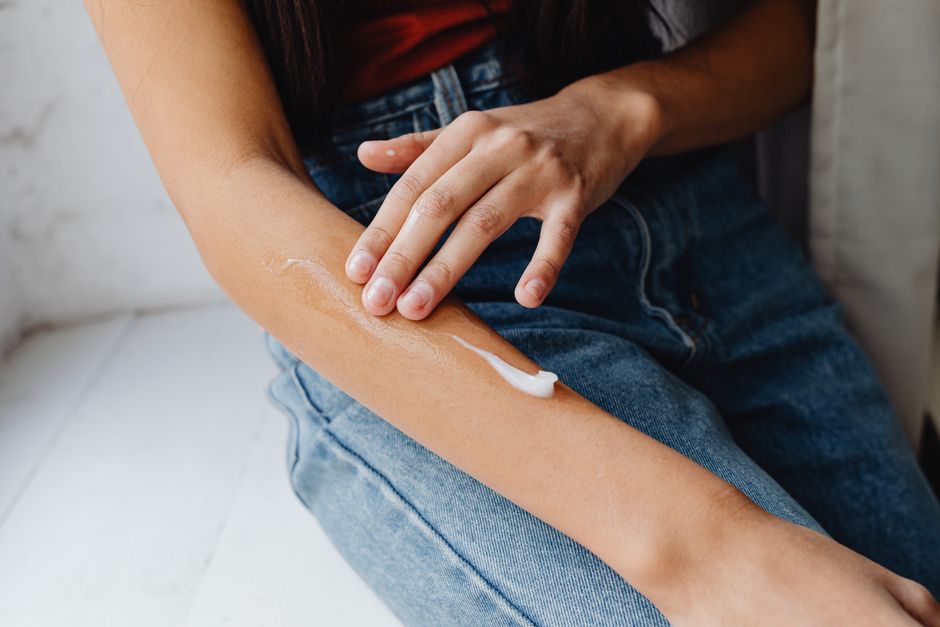
Petroleum jelly is a semi-solid mixture of hydrocarbons, originally discovered on oil rigs in the 1800s. It works by sealing moisture into the skin, creating a protective barrier that helps healing. This simple mechanism is why it remains one of the most studied and reliable skin protectants available without a prescription.
What Exactly Is Petroleum Jelly Made Of?
Petroleum jelly, also known by the brand name Vaseline, is a byproduct of the oil refining process. It is a blend of mineral oils and waxes. The raw material goes through a purification process to remove potentially harmful compounds.
The final product is chemically inert. This means it does not react with skin cells or cause chemical changes. It simply sits on top of the skin. That inert quality is what makes it safe for most people.
Current research confirms that properly refined petroleum jelly meets safety standards set by the U.S. Food and Drug Administration. It is classified as an over-the-counter skin protectant. The purity standard matters. Not all petroleum jelly products are refined to the same degree.
How Does Petroleum Jelly Actually Work on Skin?
The mechanism is physical, not chemical. Petroleum jelly forms an occlusive layer on the skin surface. This layer prevents water from evaporating from the skin into the air.
Think of it like putting a lid on a pot of water. The skin stays hydrated because moisture cannot escape. This is different from moisturizers that add water or oils. Petroleum jelly does not add moisture. It traps the moisture already present.
Studies have found that this simple barrier effect can reduce water loss from the skin by more than 99 percent. That is a massive effect. No other common moisturizer ingredient matches this occlusion level.
The jelly also fills in the spaces between dead skin cells. This creates a smoother surface and reduces friction. That is why it helps with chapped lips and dry heels. It physically smooths the surface while locking moisture in.
What Does Research Show About Petroleum Jelly for Skin Conditions?
Evidence supports petroleum jelly for several specific uses. The strongest research is on wound healing and eczema management.
For minor cuts and scrapes, petroleum jelly keeps the wound moist. Moist wounds heal faster than dry ones. A 2015 study in the Journal of Wound Care found that moist wound healing reduced scarring compared to letting wounds dry out. The jelly also prevents the wound from sticking to bandages.
For eczema, the research is clear. The American Academy of Dermatology recommends petroleum jelly as a first-line treatment for preventing flare-ups. It restores the skin barrier that eczema damages. Applied immediately after bathing, it locks in water from the bath.
Some studies suggest petroleum jelly may help prevent diaper rash in infants. The evidence is moderate. It works by keeping urine and stool away from the skin. But it does not treat active fungal infections. If a rash is caused by yeast, petroleum jelly will not help.
There is weak evidence for using it on acne or wrinkles. Some people report it does not clog their pores. Others find it causes breakouts. As of 2026, there are no high-quality studies showing it treats acne effectively.





Is Petroleum Jelly Safe? What Are the Real Risks?
Petroleum jelly is safe for topical use when properly refined. The main concern people have is about contamination with polycyclic aromatic hydrocarbons, or PAHs. These are compounds found in crude oil that may be carcinogenic.
The key point is that the refining process removes these compounds. Pharmaceutical-grade petroleum jelly in the United States must meet purity standards. The big brands like Vaseline have been tested and found to contain no detectable PAHs.
There are real risks worth knowing. Petroleum jelly is flammable. Do not use it near open flames or while smoking. This is especially important if you use it on your face or hands.
It can also cause problems if inhaled into the lungs. This is called lipoid pneumonia. It happens when oil gets into the airways. Never put petroleum jelly inside the nose, especially in children or older adults. The risk is small but real.
For people prone to acne, petroleum jelly can clog pores. This is called comedogenicity. The jelly itself is not highly comedogenic, but it can trap bacteria and oil against the skin. If you break out easily, test it on a small area first.
How Should You Use Petroleum Jelly for Best Results?
Application technique matters more than most people realize. The jelly works best on damp skin. Apply it within three minutes of bathing or washing your face. This traps the water on the skin surface.
Do not use large amounts. A thin layer is enough. Thick layers do not work better and feel unpleasant. Rub it in gently until the skin feels smooth but not greasy.
Here are practical uses backed by evidence:
- Apply to dry heels and elbows after showering to soften rough skin
- Use on minor cuts and scrapes before covering with a bandage
- Rub a small amount on lips before bed to prevent chapping
- Apply to the face in winter to protect against windburn
- Use under the eyes to prevent makeup from drying out the skin
Avoid using petroleum jelly on deep wounds, puncture wounds, or burns. These need medical attention. Do not use it on skin that is actively infected with bacteria. The barrier can trap bacteria inside and make the infection worse.
What Are the Common Misconceptions About Petroleum Jelly?
One widespread myth is that petroleum jelly causes cancer. This comes from confusion between crude oil and refined petroleum jelly. The refining process removes the harmful compounds. The American Cancer Society does not list petroleum jelly as a known carcinogen.
Another myth is that petroleum jelly dehydrates the skin. Some people believe it pulls moisture out. This is wrong. The jelly is occlusive. It prevents water loss. It cannot pull water out because it does not absorb into the skin.
Some claim that petroleum jelly clogs every pore. This is not true for everyone. The comedogenic rating of petroleum jelly is low. It rates about a 2 on a scale of 0 to 5. Coconut oil rates a 4. Cocoa butter rates a 4. If coconut oil does not break you out, petroleum jelly probably will not either.
A final misconception is that all petroleum jelly products are the same. They are not. Some cheaper brands may not be as thoroughly refined. Stick with brands that specify 100 percent pure petroleum jelly. Read the ingredient list. It should contain only one ingredient.
Petroleum Jelly vs. Other Moisturizers: A Quick Comparison
| Product | How It Works | Best For | Drawback |
|---|---|---|---|
| Petroleum jelly | Occlusive barrier | Dry skin, minor wounds, lips | Greasy feel |
| Humectants (glycerin, hyaluronic acid) | Draw water into skin | Dehydrated skin | Can dry skin in low humidity |
| Emollients (shea butter, oils) | Fill gaps between skin cells | Rough, flaky skin | May clog pores |
| Ceramides | Repair skin barrier | Eczema, damaged barrier | Expensive |
Each type serves a different purpose. Petroleum jelly is unmatched for sealing moisture in. But it does not add moisture or repair the skin barrier long-term. For some people, combining a humectant under petroleum jelly gives the best results.
Frequently Asked Questions
Can you put petroleum jelly on your face every day?
Yes, but only if your skin tolerates it. Test a small area first. Apply to damp skin and use a thin layer.
Does petroleum jelly expire?
It does not expire in the traditional sense. The shelf life is about three years. Discard it if the color or smell changes.
Is petroleum jelly safe for babies?
Yes for external use on skin. Do not put it inside the nose or mouth. Use only on intact skin, not on active rashes without a doctor’s advice.
Can petroleum jelly help with stretch marks?
There is no evidence it prevents or removes stretch marks. It may reduce itching from stretching skin. It will not change existing marks.
