
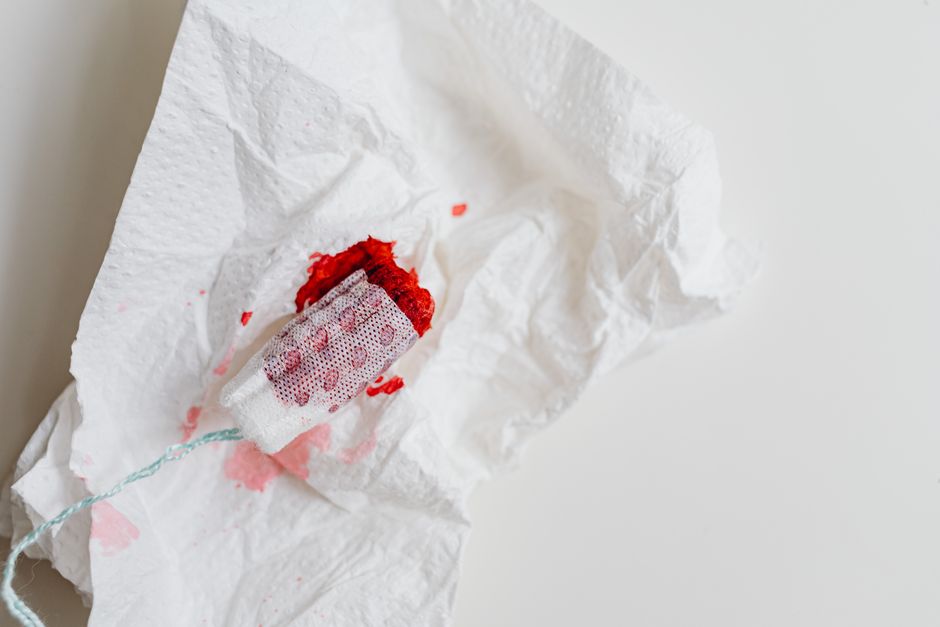
Yes, uterine fibroids can cause bleeding after menopause, but this is not the most common reason for postmenopausal bleeding, and any bleeding after menopause requires a medical evaluation. Fibroids are non-cancerous growths in the uterus, and they typically shrink after menopause because they depend on estrogen to grow. However, if a fibroid remains large or undergoes a specific type of degeneration, it can still cause symptoms, including bleeding. The critical point is that postmenopausal bleeding is never considered normal, and it must be checked by a doctor to rule out more serious conditions, including endometrial cancer.
Why Do Fibroids Usually Shrink After Menopause?
Fibroids are extremely sensitive to estrogen and progesterone, the hormones that drive the menstrual cycle. During your reproductive years, these hormones stimulate fibroid growth each month. When menopause arrives, ovarian hormone production drops dramatically. Without that hormonal fuel, most fibroids stop growing and begin to shrink.
This shrinkage is why many women find that fibroid-related symptoms, like heavy periods and pelvic pressure, improve after menopause. Some fibroids shrink significantly. Others may not change much at all, particularly if they are large or have a poor blood supply. The size of a fibroid at menopause is a strong predictor of whether it will cause problems later.
How Can Fibroids Cause Bleeding After Menopause?
Fibroids can cause postmenopausal bleeding through several distinct mechanisms. The most well-documented is a process called red degeneration. When a fibroid outgrows its blood supply, the tissue inside begins to break down. This breakdown releases fluid and can cause the fibroid to become necrotic, or die. This process can trigger bleeding and significant pelvic pain.
Another mechanism involves the location of the fibroid. A submucosal fibroid grows just beneath the lining of the uterus, the endometrium. Even after menopause, this type of fibroid can irritate the endometrial lining, causing it to shed or bleed. The bleeding may be light spotting or a heavier flow, depending on the size and position of the fibroid.
Finally, some fibroids calcify over time. This hardening is usually painless, but in some cases, the calcified tissue can erode through the uterine lining and cause bleeding. This is less common than red degeneration but is a recognized cause of postmenopausal spotting.
Is Bleeding from Fibroids Different from Cancer Bleeding?
No, you cannot tell the difference on your own. The symptoms of fibroid-related bleeding and endometrial cancer are identical. Both can cause spotting, light bleeding, or heavier flow after menopause. This is why any postmenopausal bleeding is considered a red flag in gynecology.
Endometrial cancer is the most serious condition that must be ruled out first. While fibroids are benign, the only way to know for sure that bleeding is from a fibroid and not from cancer is through medical testing. A transvaginal ultrasound can show the size and location of fibroids, but it cannot definitively diagnose cancer. An endometrial biopsy is often needed to sample the uterine lining and confirm there are no cancer cells.





What Should You Do If You Have Postmenopausal Bleeding?
You should see a gynecologist as soon as possible. The standard medical guidance is that any bleeding after 12 months without a period warrants immediate evaluation. Do not wait to see if it stops on its own. Do not assume it is just a fibroid.
Your doctor will likely perform a pelvic exam, a transvaginal ultrasound, and possibly an endometrial biopsy. These tests are quick and routine. The ultrasound measures the thickness of the endometrial lining. A thin lining is reassuring. A thickened lining requires further investigation, usually a biopsy, to rule out cancer or precancerous changes.
It is also important to note that some women mistake other sources of bleeding for uterine bleeding. Bleeding can originate from the vagina, cervix, or even the urinary tract. A thorough exam will identify the exact source of the blood, which is essential for an accurate diagnosis.
Can Fibroids Cause Bleeding After Menopause Without Other Symptoms?
Yes, bleeding can be the only symptom. Some women experience no pain, no pressure, and no other changes. They simply notice spotting on their underwear or toilet paper. Other women may have bleeding accompanied by pelvic pain or a feeling of fullness in the lower abdomen.
When a fibroid causes bleeding through degeneration, pain is often present. The breakdown of fibroid tissue is an inflammatory process, and it can be quite painful. However, if the bleeding is caused by a submucosal fibroid irritating the lining, pain may be minimal or absent. The absence of pain does not make the bleeding less concerning.
What Are the Treatment Options for Symptomatic Fibroids After Menopause?
Treatment depends on the cause of the bleeding and the overall health of the woman. If testing confirms the bleeding is from a fibroid and there is no cancer, several options exist. Some doctors recommend a watch-and-wait approach if the bleeding is light and the fibroid is small. However, most women prefer to address the bleeding rather than live with it.
Hormonal treatments are generally not used after menopause because the ovaries are no longer producing significant estrogen. Surgery is the most common definitive treatment. A myomectomy removes only the fibroid, preserving the uterus. A hysterectomy removes the entire uterus and is a more permanent solution. The choice between these depends on the size, number, and location of the fibroids, as well as the woman’s preferences and surgical risks.
A less invasive option is uterine artery embolization, a procedure that blocks the blood supply to the fibroid, causing it to shrink. This is effective for many women, but it is not appropriate for everyone. Your gynecologist can explain the risks and benefits of each approach based on your specific situation.
Fibroids and Hormone Therapy After Menopause
Women who take hormone replacement therapy (HRT) after menopause may have a different experience with fibroids. Low-dose estrogen in HRT can sometimes reactivate fibroid growth or prevent them from shrinking. This can lead to bleeding, even in women who have been menopausal for years.
If you are on HRT and experience bleeding, your doctor will need to evaluate both the fibroids and the endometrial lining. The estrogen in HRT can also stimulate the uterine lining, which is why the evaluation is the same as for any postmenopausal bleeding. It is essential to be honest with your doctor about all medications you are taking, including over-the-counter supplements and prescribed hormones.
The Bottom Line on Fibroids and Postmenopausal Bleeding
Fibroids can cause bleeding after menopause, but this diagnosis is only made after cancer has been ruled out. The evaluation is not optional. It is a necessary step to protect your health. Most postmenopausal bleeding is caused by benign conditions, but the risk of cancer is real enough that every case deserves a full workup.
Do not delay your appointment. Early detection of endometrial cancer dramatically improves outcomes. If the bleeding turns out to be from a fibroid, you have several safe and effective treatment options to resolve it. The most important action is to get an accurate diagnosis.
Frequently Asked Questions
Can a fibroid cause bleeding years after menopause?
Yes, a fibroid can cause bleeding years after menopause, especially if it undergoes degeneration or is located near the uterine lining. This bleeding is not normal and requires a medical evaluation to rule out cancer.
Is postmenopausal bleeding from fibroids dangerous?
Bleeding from a fibroid itself is not dangerous, but it cannot be distinguished from cancer bleeding without testing. The danger is in assuming the cause without a proper diagnosis, which could delay cancer detection.
What tests are needed for postmenopausal bleeding?
A transvaginal ultrasound and an endometrial biopsy are the standard tests. The ultrasound checks fibroid size and lining thickness, while the biopsy samples the uterine lining to check for cancer cells.
Should I worry about light spotting after menopause?
Yes, any spotting after 12 months without a period should be evaluated by a doctor. Even a single episode of light spotting warrants a checkup, as the amount of bleeding does not predict the seriousness of the cause.
