
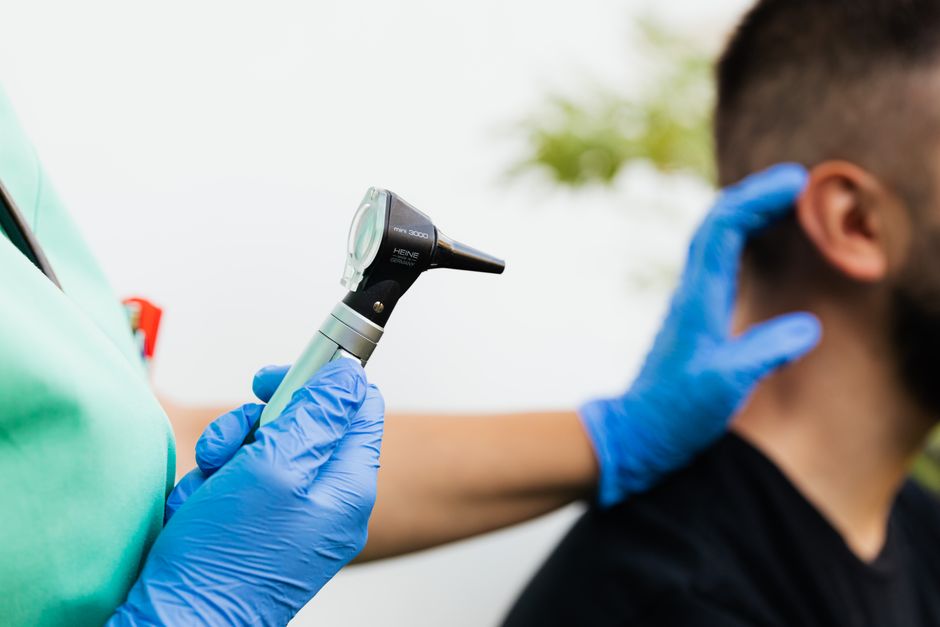
You can check for signs of an ear infection at home without an otoscope by looking for key symptoms like ear pain, tugging at the ear in children, trouble hearing, and fever. Gently press on the small bump in front of the ear canal called the tragus — if this causes pain, it often points to an outer ear infection. For middle ear infections, watch for fluid draining from the ear, balance problems, or a feeling of fullness inside the ear. Remember that home checks can suggest an infection, but only a healthcare provider with an otoscope can confirm it with certainty.
What Are the Main Signs of an Ear Infection You Can Spot at Home?
The most reliable way to identify a possible ear infection without an otoscope is to pay close attention to symptoms. Ear infections usually fall into two categories: outer ear infections (otitis externa) and middle ear infections (otitis media). Each has distinct signs you can observe.
For outer ear infections, the ear canal becomes inflamed. You might notice redness or swelling around the ear opening. A key test is the tragus sign — gently press the small cartilage bump just in front of your ear canal. If this hurts, it strongly suggests an outer ear infection. You may also see discharge that looks like pus or fluid.
For middle ear infections, symptoms are different. Pain is common but often described as a deep ache inside the head. Young children may pull or rub at their ears. The CDC reports that about 5 out of 6 children will have at least one middle ear infection by age three. Fever is another clue — a temperature above 100.4°F often accompanies middle ear infections. Trouble hearing or not responding to soft sounds can also occur because fluid builds up behind the eardrum.
How Can You Tell the Difference Between an Ear Infection and Teething in Babies?
This is one of the most common questions parents face. Teething and ear infections both cause fussiness, drooling, and chewing on objects. The confusion is understandable because the nerves in the jaw and ear are connected. But there are specific differences you can check without an otoscope.
Teething typically causes visible gum redness and swelling. Babies often chew on fingers or toys constantly and may have a mild temperature under 100.4°F. Ear infections more often cause a higher fever, trouble sleeping when lying flat, and fluid draining from the ear. The tragus test is helpful here — if pressing the front of the ear causes clear discomfort, it points toward infection rather than teething.
Research published in the journal Pediatrics found that ear tugging alone is not a reliable sign of ear infection in children. Many healthy children tug their ears out of habit. The combination of ear tugging with fever and fussiness is a stronger indicator. If you are unsure, monitor for 24 hours. Teething discomfort usually improves with cold teething rings or gum massage. Ear infection symptoms tend to persist or worsen.
What Home Tests Can You Do to Check for an Ear Infection?
Several simple tests can help you assess the likelihood of an ear infection. None are perfect, but they provide useful information before deciding to see a doctor.
The tragus test is the most direct. Gently press the tragus — the small bump at the front of the ear opening. Pain with pressure usually means outer ear infection. No pain does not rule out middle ear infection.
The pull test involves gently pulling the earlobe backward and upward. If this causes pain, it often indicates inflammation in the ear canal. This is another outer ear infection sign.
The hearing test can be done at home. Stand behind the person and whisper a simple word or phrase. See if they can repeat it correctly. Test one ear at a time by covering the other ear. Difficulty hearing in one ear compared to the other can suggest fluid behind the eardrum.
The balance test is useful for middle ear infections in children. The inner ear controls balance. A child who is suddenly clumsy, stumbling, or dizzy may have fluid buildup affecting their equilibrium. This is not specific to ear infections but is worth noting.
| Symptom | Likely Outer Ear Infection | Likely Middle Ear Infection |
|---|---|---|
| Pain when pressing tragus | Yes | No |
| Fever above 100.4°F | Rare | Common |
| Fluid draining from ear | Yes, often thick | Possible, thin or bloody |
| Hearing loss | Mild | Moderate to significant |
| Balance problems | Rare | Common in children |





What Does Research on Checking for an Ear Infection Without an Otoscope Show?
Studies have examined how accurate home checks are compared to a doctor’s examination with an otoscope. The evidence is clear: home checks can suggest an infection but cannot confirm it. One study published in the Journal of the American Board of Family Medicine found that parents correctly identified ear infections in their children only about 50% of the time using symptoms alone. That is no better than a coin flip.
The tragus test has better evidence behind it. A 2017 review in American Family Physician noted that a positive tragus test has a high likelihood of outer ear infection. However, the same review found that fever and ear pain together only correctly identified middle ear infections about 70% of the time. This means nearly one in three children with these symptoms did not actually have an ear infection when examined by a doctor.
The American Academy of Pediatrics recommends against diagnosing ear infections based only on symptoms in children under two years old. Their guidelines state that visualization of the eardrum with an otoscope is necessary for accurate diagnosis. For adults, the same principle applies. Symptoms are helpful but not definitive.
What Are the Risks of Trying to Diagnose an Ear Infection Yourself?
The main risk of relying on home checks is misdiagnosis. You might think an ear infection is present when it is not, leading to unnecessary worry or inappropriate treatment. Or you might miss a real infection that needs medical attention.
Untreated middle ear infections can lead to complications. The CDC reports that serious complications are rare but include a ruptured eardrum, hearing loss, or spread of infection to the mastoid bone behind the ear. These risks are low for healthy adults but higher for young children and people with weakened immune systems.
Another risk is using home remedies that are not effective. Some people try putting garlic oil, hydrogen peroxide, or other substances into the ear. The American Academy of Otolaryngology advises against putting anything in the ear canal if you suspect an infection. This can push debris deeper, worsen inflammation, or damage the eardrum. Warm compresses on the outside of the ear are safe for pain relief. Nothing should go inside the ear canal without a doctor’s guidance.
Avoid the common myth that ear pain always means infection. Ear pain can come from other sources. Temporomandibular joint (TMJ) disorders, dental problems, sinus infections, and even sore throats can cause referred pain to the ear. The American Dental Association notes that tooth infections sometimes present as ear pain. Without an otoscope, you cannot be sure the pain originates in the ear itself.
When Should You See a Doctor Instead of Relying on Home Checks?
Home checks are useful for initial screening but should never replace professional evaluation when certain signs are present. The American Academy of Pediatrics recommends seeing a doctor within 24 hours if any of the following apply.
- Fever above 102°F in children or 103°F in adults
- Severe ear pain that does not improve with over-the-counter pain relievers
- Fluid draining from the ear that is bloody, thick, or foul-smelling
- Sudden hearing loss or ringing in the ears
- Dizziness or vertigo that makes standing difficult
- Symptoms lasting more than 48 hours without improvement
- Infants under six months old with any ear-related symptoms
For adults with mild symptoms, waiting 24 to 48 hours is often safe. Many ear infections resolve on their own without antibiotics. The CDC states that about 80% of middle ear infections in children clear up without treatment within a week. However, young children and people with chronic conditions should not wait. If you have a history of recurrent ear infections or a weakened immune system, seek medical advice sooner.
A doctor can confirm the diagnosis with an otoscope and decide if antibiotics are needed. Overuse of antibiotics for ear infections is a real problem. Research in the New England Journal of Medicine found that prescribing antibiotics for all ear infections leads to increased antibiotic resistance. Accurate diagnosis helps avoid unnecessary medication.
Common Misconceptions About Checking for Ear Infections
Several viral health myths about ear infections persist online. Knowing what is false can save you time and worry.
Myth: A fever always means ear infection. Fever can accompany many childhood illnesses. Only about 50% of children with fever and ear pain actually have an ear infection when examined.
Myth: Ear infections are always painful. Some infections, especially in older adults, cause no pain at all. Hearing loss or a feeling of fullness may be the only symptom. This is more common with chronic fluid buildup behind the eardrum.
Myth: You can treat an ear infection at home with natural remedies. As of 2026, there is no clinical evidence that garlic oil, tea tree oil, or any other home remedy treats an active ear infection. Warm compresses can ease pain but do not cure the infection. The National Center for Complementary and Integrative Health states that evidence for herbal ear drops is limited and mixed.
Myth: Swimming always causes outer ear infections. Swimming does increase risk, but so does using cotton swabs, hearing aids, or anything that irritates the ear canal. The tragus test is more useful for diagnosing outer ear infections than knowing the cause.
Frequently Asked Questions
Can I use a flashlight to see inside my ear?
A flashlight alone is not enough to see the eardrum clearly. You need an otoscope with a speculum to properly visualize the ear canal and eardrum.
How accurate is the tragus test for ear infections?
The tragus test is highly accurate for outer ear infections but does not detect middle ear infections. A positive result strongly suggests outer ear infection.
Should I put anything in my ear if I suspect an infection?
No. Do not put any drops, oils, or objects in the ear unless a doctor tells you to. This can worsen the infection or damage the eardrum.
How long should I wait before seeing a doctor for ear pain?
For mild symptoms in adults, waiting 24 to 48 hours is reasonable. See a doctor sooner if you have a high fever, severe pain, or symptoms in an infant under six months.
