
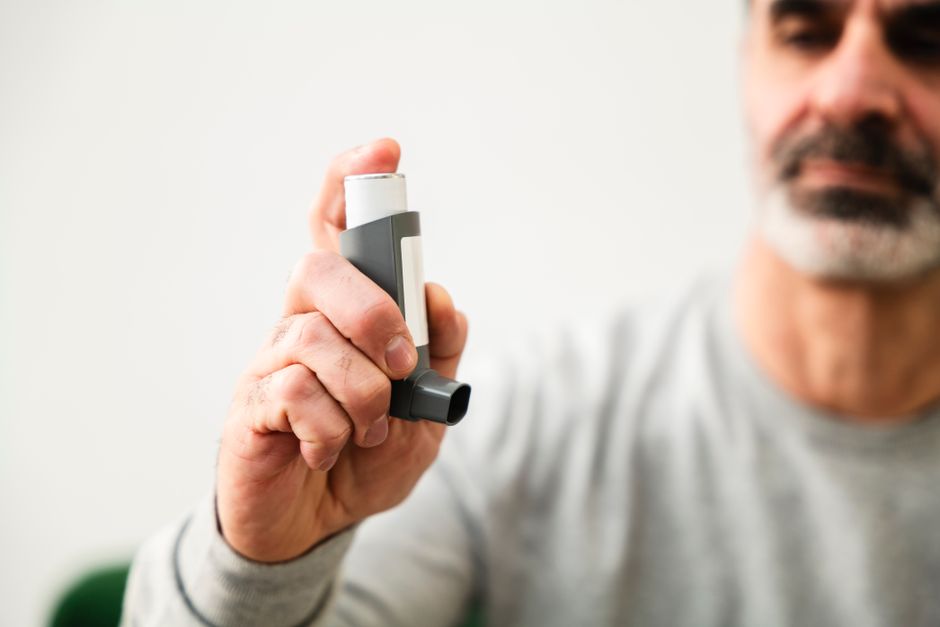
End-stage COPD is the final phase of chronic obstructive pulmonary disease, when the lungs have lost most of their ability to exchange oxygen and carbon dioxide. For many people, this stage is marked by severe breathlessness even at rest, frequent hospitalizations, and a significant decline in daily function. The focus of care typically shifts from trying to improve lung function to managing symptoms and maximizing comfort.
What Does End-Stage COPD Actually Mean?
End-stage COPD is not a single moment. It is a period of time, often the last months or year of life, when the disease has progressed to its most severe form. Doctors sometimes use the term “very severe COPD” or classify it using lung function tests. A common measure is the FEV1, which tracks how much air a person can forcefully exhale in one second. In end-stage disease, FEV1 often falls below 30% of what is expected for a healthy person of the same age, height, and sex.
But numbers alone do not tell the whole story. Two people with the same test results can have very different experiences. One may still manage short walks around the house. The other may struggle to speak a full sentence without stopping for air. The daily reality of the disease matters as much as any lab value.
What Are the Physical Signs of the Final Stage?
The body’s systems begin to change in recognizable ways as COPD reaches its end stage. Breathlessness becomes constant. Even sitting in a chair or talking on the phone can trigger gasping for air. Many people describe it as trying to breathe through a narrow straw.
Low oxygen levels in the blood cause other symptoms. The fingers and lips may take on a bluish tint, a condition called cyanosis. The heart works harder to pump blood through damaged lungs, which can lead to swelling in the ankles and legs. This happens because the right side of the heart enlarges and struggles to push blood through stiff, scarred lung tissue.
Fatigue is profound. The simple act of breathing uses a massive amount of energy when the lungs are this damaged. People often sleep for long stretches and still wake up exhausted. Appetite drops, and unintentional weight loss is common. Muscle wasting, especially in the legs and shoulders, can make standing or walking feel impossible.
How Does Breathing Change in the Final Weeks?
In the days and weeks before death, breathing patterns often shift. Some people experience periods of rapid, shallow breathing followed by pauses. This is sometimes called Cheyne-Stokes respiration, though it is more commonly associated with heart failure. In COPD, the pattern can be irregular and unpredictable.
Secretions build up in the airways because the person no longer has the strength to cough them out. This can create a rattling or gurgling sound with each breath. Family members often find this distressing, but it is not painful for the person. It simply means mucus is sitting in the throat and upper airways.
Many people become less responsive in the final days. They may sleep almost constantly and only briefly open their eyes. This is not a sign of suffering. It is a natural part of the body shutting down. Hearing is often the last sense to go, so speaking calmly and softly can still provide comfort.





What Is the Role of Oxygen Therapy at This Stage?
Long-term oxygen therapy is a standard treatment for people with severe COPD and low blood oxygen levels. It does not cure the disease or reverse lung damage. It can reduce breathlessness, improve sleep quality, and help the heart pump more efficiently.
At end stage, some people use oxygen continuously, 24 hours a day. Portable oxygen tanks allow limited mobility outside the home. Others use a machine called a concentrator that pulls oxygen from the air and delivers it through nasal prongs.
There is an important caution here. In people with COPD, the drive to breathe can depend on low oxygen levels rather than high carbon dioxide levels. Giving too much oxygen can sometimes suppress that drive. This is why oxygen flow rates must be set carefully by a healthcare provider. Never adjust a loved one’s oxygen settings without medical guidance.
What Treatments Focus on Comfort at This Stage?
When curative treatments are no longer effective, palliative care becomes the primary approach. The goal is symptom relief, not extending life at any cost. This is a legitimate and evidence-based shift in medical care.
Opioid medications, such as morphine, are sometimes used in low doses to ease severe breathlessness. This may surprise people who associate opioids only with pain. But research has shown that these medications can reduce the sensation of air hunger in advanced COPD. They are prescribed carefully and monitored closely by a doctor familiar with end-of-life care.
Other medications may help clear airways or reduce inflammation, though their benefit at this stage is limited. Benzodiazepines can reduce anxiety, which often spikes when breathing feels impossible. Anticholinergic drugs can dry up excess secretions, though some clinicians are cautious about using them because they can thicken mucus.
Non-drug approaches matter too. Positioning the body upright, using a fan to blow air across the face, and practicing slow pursed-lip breathing can all provide some relief. These techniques do not fix the underlying problem, but they can make breathing feel less desperate.
How Do Doctors Determine When Someone Is Close to Death?
Predicting the exact timing of death is not possible. No test or score can tell a family exactly how many days or weeks remain. However, certain patterns tend to appear in the final phase.
Declining functional status is one of the strongest signals. When a person can no longer leave bed, needs help with all personal care, and has lost interest in food and drink, the body is likely in its final decline. Repeated hospitalizations, especially for respiratory failure, also point toward a limited prognosis.
Some clinical tools, such as the BODE index, combine body mass index, airway obstruction, breathlessness scores, and exercise capacity to estimate survival. But these tools are designed for groups of patients, not individuals. A person can live longer than predicted, or die sooner. Families should ask the care team directly about what they are observing rather than relying on statistical averages.
What Does the Final Stage Look Like for Families?
Watching someone die from COPD is emotionally heavy. The disease can last years, and the final stage may stretch for months. Families often describe a slow, grinding decline rather than a sudden turn.
Communication becomes harder. The person may not have enough breath for long sentences. Short questions with yes-or-no answers are easier. Holding hands, gentle touch, and simply being present can communicate more than words.
Advance care planning should happen long before this stage. Having conversations about resuscitation, mechanical ventilation, and hospital transfers while the person can still speak for themselves reduces the burden on family members later. If those conversations have not happened, it is not too late to ask the medical team what to expect and what options remain.
Hospice care is an option for people with a prognosis of six months or less. Hospice focuses entirely on comfort and quality of life. It can be provided at home, in a hospice facility, or in a nursing home. Many families wait too long to involve hospice because they see it as giving up. In reality, hospice often improves the final months by managing symptoms aggressively and providing emotional support to the whole family.
Is There Any Chance of Recovery at This Stage?
No. End-stage COPD is not reversible. The structural damage to the lungs — destroyed air sacs, narrowed airways, chronic inflammation — is permanent. Treatments can slow progression earlier in the disease. At the end stage, they can only manage symptoms.
That said, there is a difference between the overall decline of end-stage COPD and a temporary setback. An infection like pneumonia can cause a sudden worsening that may improve with antibiotics and breathing support. A person at end stage can recover from an acute episode and return to their previous baseline. The baseline itself, however, will not improve.
Some people ask about lung transplants. Transplantation is reserved for carefully selected patients with severe COPD who are otherwise healthy enough to survive major surgery and lifelong immunosuppression. It is not an option for most people at end stage, particularly those with significant heart disease, frailty, or advanced age.
What Happens in the Very Last Days?
In the final days, the body naturally begins to shut down. Breathing may become irregular, with long pauses between breaths. The person may become unresponsive, though they may still hear voices. Skin can feel cool or mottled, especially on the hands and feet, as circulation slows.
Some people experience terminal restlessness or agitation. This can be distressing for families, but medications are available to calm the person. The medical team can guide families through what is normal and what needs intervention.
The most important thing to know is that suffocation is not how COPD typically ends. The sensation of air hunger may have been present throughout the disease, but at the very end, the body’s drive to breathe diminishes along with consciousness. Most people with end-stage COPD die peacefully, often during sleep, from respiratory failure or related complications like heart failure or infection.
Frequently Asked Questions
How long does the last stage of COPD last?
The final stage can last anywhere from a few weeks to more than a year. The very last days or weeks, when a person is mostly bedbound and minimally responsive, are typically shorter.
Is suffocation painful for someone with end-stage COPD?
Most people with end-stage COPD do not die gasping for air. As consciousness fades, the drive to breathe diminishes, and medications can be given to ease any sensation of breathlessness.
What can family members do to help someone in the final stage of COPD?
Focus on comfort and presence. Keep the person upright, use a fan for air movement, speak calmly, and involve hospice or palliative care for medication management.
When should hospice care begin for COPD?
Hospice is appropriate when a doctor estimates six months or less to live and the focus has shifted to comfort. Starting hospice earlier rather than later generally provides better symptom control and family support.
