
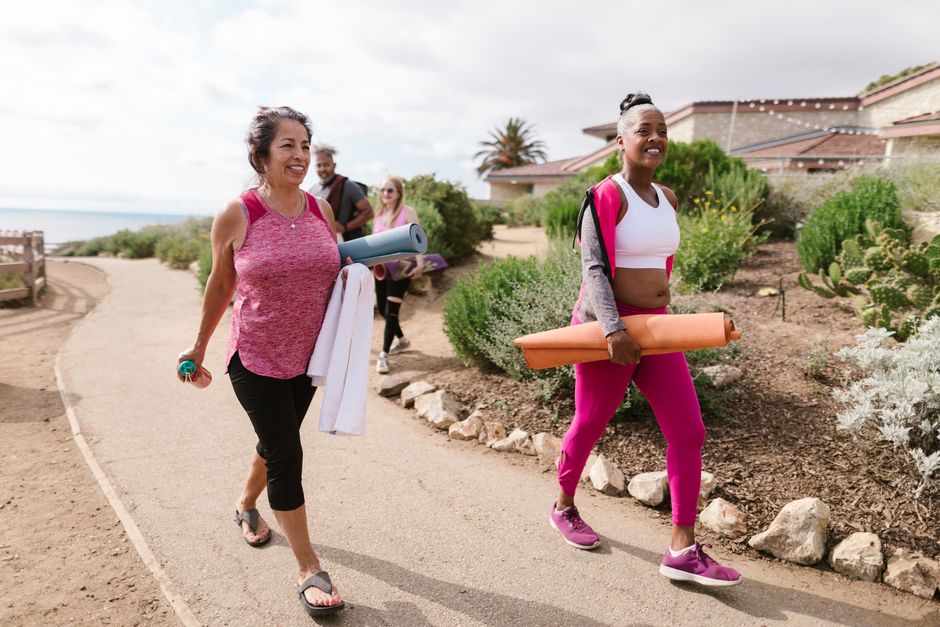
Whether you should walk before or after eating depends primarily on your goal. Walking before a meal — while fasted — may increase the amount of fat your body burns for fuel during the walk. Walking after a meal helps lower blood sugar spikes and can aid digestion. Neither timing is universally “better.” The right choice depends on what you want to achieve.
Does walking before eating burn more fat?
Some research suggests that walking on an empty stomach increases the proportion of fat used for energy. When your body has not eaten recently, insulin levels are lower, and stored fat becomes more available as fuel. A small study published in the Journal of Applied Physiology found that fasted exercise increased fat oxidation compared to exercise after a meal.
However, burning more fat during the walk does not necessarily translate to greater overall fat loss over weeks or months. Total calories burned and overall energy balance matter more than which fuel source you use during a single session. Some studies indicate that fasted walking leads to a small compensation — you may eat slightly more later or move less afterward — which can cancel out the benefit.
For most people, the difference in body composition changes between fasted and fed walking is minimal over time. If you feel lightheaded or weak when walking before eating, it may not be worth the discomfort.
Is walking after eating better for blood sugar control?
Yes, evidence consistently shows that walking after a meal lowers post-meal blood glucose levels. Muscles use glucose from the bloodstream for energy during activity. A meta-analysis in Sports Medicine concluded that a single bout of post-meal walking reduced the glucose spike by about 12% compared to sitting.
The timing within the post-meal window matters. The greatest blood sugar lowering effect appears when you walk within 30 to 60 minutes after eating. This is when glucose levels peak. A short walk of 10 to 15 minutes can already blunt that peak.
For people with type 2 diabetes or prediabetes, post-meal walking is a well-supported strategy. For healthy individuals, it still offers benefits by smoothing out glucose fluctuations. This may help with energy levels and reduce cravings later in the day.
What about digestion — should you walk or rest after eating?
Light walking after a meal generally aids digestion rather than interfering with it. Gentle movement can stimulate gastric motility and help food move through the stomach and small intestine. Many people report less bloating and fewer symptoms of indigestion when they take a short walk after a larger meal.
Walking also shifts blood flow slightly away from the digestive tract toward working muscles, but for moderate walking this effect is not strong enough to impair digestion in most people. Very vigorous exercise right after a large meal can cause nausea or cramping because blood is diverted away from the gut more sharply.
A walk at a conversational pace — about 2 to 3 miles per hour — for 10 to 20 minutes after a meal is considered safe and helpful. There is no strong evidence that it causes harm.





Does walking before or after eating affect weight loss differently?
Over months, total calorie deficit is the main driver of weight loss, not the timing of exercise relative to meals. Some studies show a small advantage for fasted walking in terms of fat oxidation during the session, but long-term weight loss trials comparing fasted versus fed exercise have generally found no significant difference.
A well-known 2014 study in the Journal of the International Society of Sports Nutrition compared fasted versus fed exercise in overweight women over four weeks. Both groups lost similar amounts of weight and body fat. The timing of meals relative to exercise did not change the outcome.
Practical consistency matters more than theoretical fat-burning. If walking before breakfast fits your schedule and feels good, that can work. If walking after dinner is easier to stick with, that is also effective. The best timing is the one you repeat regularly.
How does walking timing affect energy and workout performance?
Walking is a low-intensity activity, so the effect of meal timing on performance is smaller than for intense exercise. Some people feel sluggish walking soon after a large meal because blood is directed to digestion. Others feel weak walking on an empty stomach because blood sugar is low.
A small snack 30 to 60 minutes before walking — such as a piece of fruit or a handful of nuts — can provide enough glucose to prevent dizziness without causing gastric discomfort. For walks under 30 minutes at moderate pace, eating beforehand is usually unnecessary.
If your goal is simply to get more steps in, the difference in energy levels between fasted and fed is minor for most healthy adults. Listen to your body. If you feel lightheaded before a meal, eat something light first. If you feel bloated after a meal, wait 15 to 30 minutes before walking.
Should you walk before or after eating for heart health?
Both timings benefit cardiovascular health because any walking is better than none for lowering blood pressure, improving cholesterol profiles, and reducing cardiovascular risk. Post-meal walking may have an extra advantage by lowering postprandial triglycerides — a known risk factor for heart disease.
After a meal, especially one high in fat, triglyceride levels rise. Walking during that window helps clear triglycerides from the bloodstream more quickly. Research published in Diabetes Care showed that post-meal walking reduced postprandial lipemia (fat in the blood) by about 30% compared to resting.
For general heart health, the most important factor is accumulating at least 150 minutes of moderate-intensity walking per week, regardless of when you do it relative to meals.
Are there any risks with walking before or after eating?
Walking before eating is generally safe for healthy individuals. People with diabetes who take insulin or sulfonylureas should be cautious about hypoglycemia (low blood sugar) during or after fasted walking. Checking blood glucose before and after may be necessary.
Walking right after a very large meal can cause reflux or discomfort in some people. If you have gastroesophageal reflux disease (GERD), waiting 30 to 60 minutes before walking is advisable. Pregnant women or those with certain medical conditions should consult a healthcare provider about their specific timing needs.
For most adults, neither timing poses significant risk. The greater risk is not walking at all.
Frequently Asked Questions
Is it better to walk before or after eating for weight loss?
Neither timing is clearly superior for weight loss over the long term. Total calories burned and consistency matter more than whether you walk before or after a meal.
How long after eating should I walk?
Waiting 15 to 30 minutes after a small meal and 30 to 60 minutes after a large meal is typical for comfort. Walking sooner than that can cause cramping or indigestion for some people.
Does walking before breakfast burn more belly fat?
Walking before breakfast increases fat burning during the walk, but spot reduction of belly fat is not supported by evidence. Fat loss occurs from all over the body, not just the area exercised.
Can walking after eating lower blood sugar in non-diabetics?
Yes, walking after a meal lowers blood glucose spikes even in people without diabetes. The effect is smaller than in people with diabetes but still beneficial for metabolic health.
