
What Are the Core Food Rules of the Jain Diet?
The dietary rules in Jainism are strict and specific. They go beyond basic vegetarianism. The main goal is to avoid causing unnecessary harm to any life form, no matter how small.
The most distinctive rule is the avoidance of root vegetables. This includes potatoes, onions, garlic, carrots, radishes, and turnips. The reason is practical and spiritual. Pulling these plants from the ground uproots the entire plant and kills it. It also disturbs the soil, which contains countless microorganisms and small insects. Jains believe these actions cause violence to many living beings at once.
Jains also avoid all animal products. This includes meat, fish, eggs, and animal-derived ingredients like gelatin. Some stricter followers also avoid honey. Honey involves taking food from bees, which is seen as a form of harm. Dairy is generally allowed, though some Jains choose to avoid it for similar ethical reasons.
Eating fermented foods is limited in some traditions. Fermentation involves the growth of microorganisms, and some Jains believe consuming them causes harm. This means foods like yogurt, beer, and certain pickles may be restricted, especially during fasting periods. The level of restriction varies widely among different Jain communities.
What Foods Are Allowed on the Jain Diet?
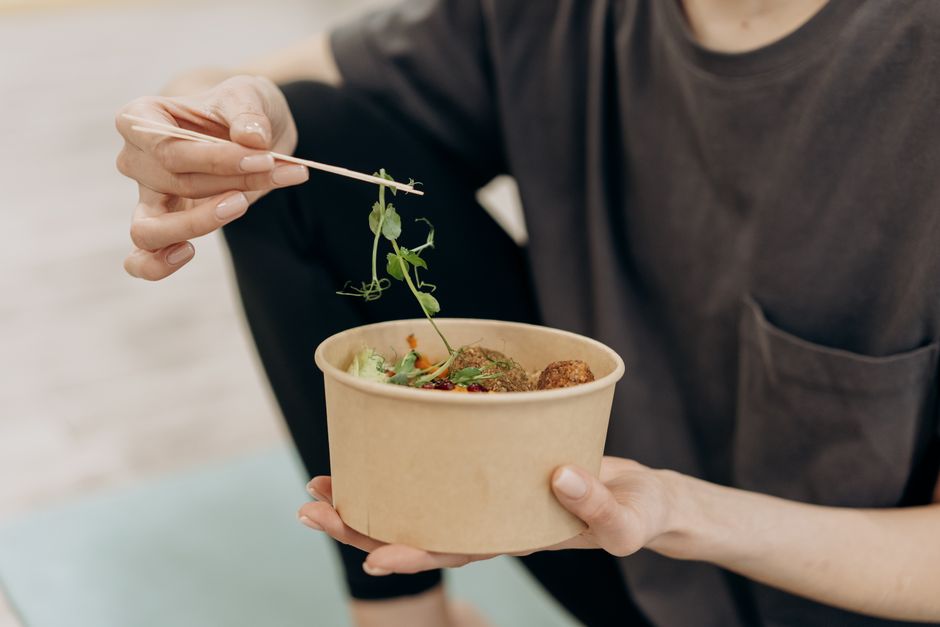
The allowed foods are those that can be harvested without killing the whole plant. The diet is primarily based on above-ground vegetables, grains, legumes, fruits, nuts, and seeds.
Allowed vegetables include leafy greens, broccoli, cauliflower, cabbage, bell peppers, and squash. Fruits of all kinds are permitted, including bananas, apples, citrus, and melons. Whole grains like rice, wheat, millet, and quinoa form the base of meals. Legumes such as lentils, chickpeas, and beans provide protein.
Dairy products like milk, butter, and paneer are commonly consumed by Jains who are not vegan. However, the use of dairy depends on the individual and their community. Some Jains follow a vegan approach for stricter adherence to non-violence, while others include dairy regularly.
The diet is naturally high in fiber and plant compounds. It is also low in saturated fat when dairy is limited. Because the diet excludes entire food groups, careful planning is needed to meet all nutritional needs, particularly for protein, calcium, and certain vitamins.
Why Do Jains Avoid Eating After Sunset?
The rule against eating after sunset is known as avoiding night eating. It is a strict practice for many Jains, especially monks and nuns, but lay followers also observe it.
The reasoning connects to the principle of non-violence. At night, insects and small organisms are less visible. Jains believe cooking and eating in the dark increases the risk of accidentally harming these creatures. For example, a bug might land in a pot of food or on a plate without being noticed. Oil lamps traditionally used for lighting also attracted insects, making the risk of harm higher.
Some Jains interpret this rule as requiring that food be prepared and eaten entirely during daylight hours. Others allow a meal to be finished before a specific time, such as before dusk. In modern practice, the rule often means the last meal of the day is eaten in the late afternoon or early evening.



What Is the Jain Fasting Schedule?
Fasting is a central part of Jain religious practice. It is not done for weight loss. It is done for spiritual purification and to practice self-control. The type and frequency of fasting vary by individual, community, and religious calendar.
The most common fast is chaturthi, which takes place on the fourth day of the lunar fortnight. Some Jains fast on this day, while others only eat certain foods. Another common fast is ashtami, on the eighth day of the lunar cycle.
The longest and most significant fasting period is Paryushana, an eight-day festival that usually falls in August or September. Many Jains fast during this period, though the duration varies. Some fast for one day, others for the full eight days.
There are also different levels of fasting. A person may skip one meal, eat only one meal a day, or eat only during daylight. Some fasts restrict certain foods rather than all food. For example, a person might eat only boiled grains or drink only water. The most extreme fast is santhara, a voluntary fast unto death, which is reserved for the very elderly or terminally ill. It is a highly controversial practice and is not part of the daily diet.
What Are the Health Benefits and Risks of the Jain Diet?
No large clinical trials have specifically studied the Jain diet. Most of what we know comes from research on similar eating patterns, such as vegetarian and plant-based diets.
The potential benefits are consistent with general plant-based eating. A diet rich in vegetables, fruits, legumes, and whole grains is linked to a lower risk of heart disease, type 2 diabetes, and certain cancers. The high fiber content supports digestive health. The exclusion of red meat and processed meats removes known risk factors for colorectal cancer.
However, the Jain diet has specific nutritional risks. Because root vegetables are excluded, the diet lacks certain nutrients commonly found in them. For example, potatoes and carrots provide potassium and vitamin A. More importantly, the exclusion of onions and garlic removes common sources of prebiotics, which feed healthy gut bacteria.
Vitamin B12 is a major concern. This vitamin is found naturally only in animal products. Jains who consume dairy may get some B12, but levels may still be low. Jains who follow a vegan version of the diet are at high risk of B12 deficiency. Over time, this can cause nerve damage and anemia. Anyone following this diet should consider regular blood tests and discuss B12 supplementation with a doctor.
Iron and calcium are also worth monitoring. Plant-based iron is less easily absorbed than animal iron. Dairy provides calcium, but vegans on the Jain diet need alternative sources like fortified foods or leafy greens. Protein needs can be met with legumes and dairy, but portion sizes must be adequate.
How Does the Jain Diet Compare to Other Plant-Based Diets?
The Jain diet is stricter than most forms of vegetarianism. Standard vegetarians eat root vegetables, eggs, and often consume honey. Jains avoid all of these. The Jain diet is more restrictive than a typical vegan diet because it excludes root vegetables and sometimes fermented foods.
The table below shows a quick comparison:
| Food Category | Jain Diet | Vegetarian Diet | Vegan Diet |
|---|---|---|---|
| Meat, fish, poultry | No | No | No |
| Eggs | No | No | No |
| Dairy | Often yes | Yes | No |
| Root vegetables | No | Yes | Yes |
| Eating after sunset | No | Allowed | Allowed |
| Honey | Often no | Yes | No |
The Jain diet is not simply a variation of veganism. It is a distinct religious practice with its own logic. The restrictions are not based on nutrition science. They are based on a specific interpretation of non-violence. Anyone considering this diet for health reasons should understand that the food rules are designed for spiritual goals, not for optimizing nutrient intake.
Can the Jain Diet Meet Nutritional Needs?
Yes, with planning. The diet can be nutritionally adequate for most healthy adults. But it requires attention to specific nutrients.
Protein is available through lentils, beans, chickpeas, and dairy. Combining grains with legumes ensures a complete amino acid profile. For example, eating rice with dal is a traditional and complete meal.
Calcium is available from dairy. For those avoiding dairy, fortified plant milks, tofu, and leafy greens like kale and bok choy are good sources. However, the oxalates in some greens can reduce calcium absorption, so relying on greens alone may not be enough.
Iron needs careful attention. Vitamin C helps the body absorb plant iron. Eating citrus fruits, tomatoes, or bell peppers alongside iron-rich foods like lentils and spinach improves absorption. Cooking in cast iron pans can also increase iron content in food.
Vitamin B12 is the most serious concern. No plant food reliably provides active B12. Fortified foods like nutritional yeast or plant milks can help, but supplements are often necessary. This is not optional. A B12 deficiency can cause permanent neurological damage if left untreated.
Pregnant women, breastfeeding mothers, infants, and older adults on this diet need professional guidance. No clinical guidelines currently exist specifically for the Jain diet in these populations. A registered dietitian should evaluate the meal plan and recommend supplements as needed.
Frequently Asked Questions
Why do Jains not eat onions and garlic?
Onions and garlic grow underground, so harvesting them requires uprooting the entire plant. Jains believe this causes unnecessary harm to the plant and to organisms living in the soil.
Is the Jain diet vegan?
Not always. Many Jains consume dairy products like milk and butter. Some Jains follow a vegan version, but traditional Jain diets often include dairy.
Can you eat potatoes on the Jain diet?
No. Potatoes are root vegetables and are avoided because pulling them from the ground kills the whole plant.
What happens if you eat after sunset in Jainism?
Eating after sunset is avoided to prevent accidentally harming insects and small organisms that are hard to see in the dark. The practice is considered a violation of the principle of non-violence.
