
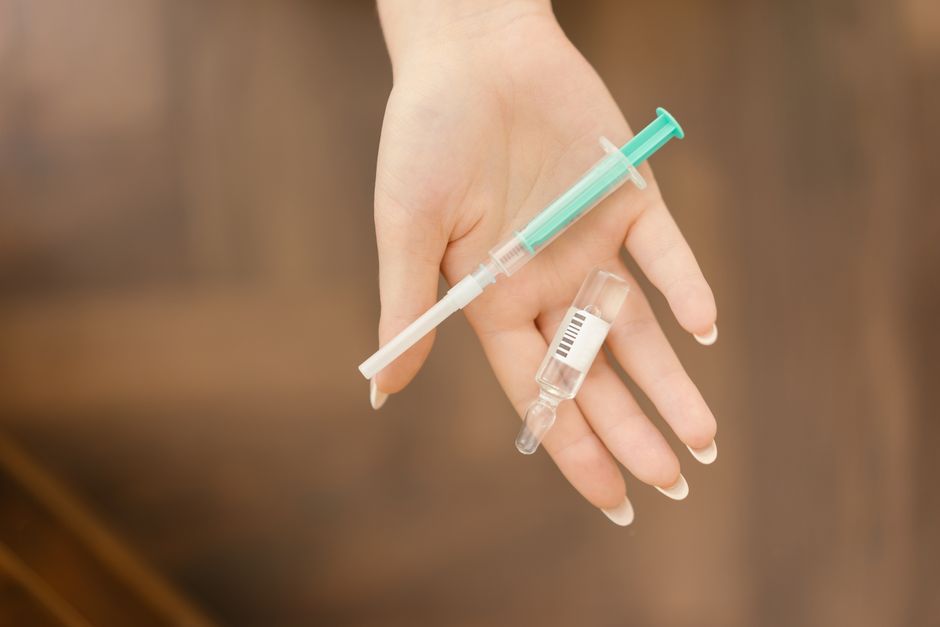
The highest dose of Ozempic is 2.0 milligrams, injected once weekly. This is the maximum amount approved by the FDA for managing type 2 diabetes. The medication is not meant for weight loss alone, though many people use it that way off-label.
Ozempic is a brand name for semaglutide, a drug that mimics a natural hormone called GLP-1. It helps lower blood sugar and can lead to significant weight loss. Knowing the maximum dose matters because taking too much can cause serious side effects.
What Is the Standard Dosing Schedule for Ozempic?
Doctors start patients on a low dose and increase it slowly. This is called titration. The goal is to let your body get used to the drug and reduce side effects like nausea.
The typical schedule looks like this:
- Weeks 1-4: 0.25 mg once weekly
- Weeks 5-8: 0.5 mg once weekly
- Weeks 9-12: 1.0 mg once weekly
- Week 13 and beyond: 2.0 mg once weekly (if needed)
Not everyone needs to reach the 2.0 mg dose. Some people get good blood sugar control at 0.5 mg or 1.0 mg. Your doctor decides based on your A1C levels and how well you tolerate the drug.
The 2.0 mg dose is the highest studied in clinical trials for diabetes. Research published in the New England Journal of Medicine found that 2.0 mg led to greater A1C reductions than lower doses. But the benefits came with more side effects.
How Is 2.0 mg Different From Other Doses?
The 2.0 mg dose is stronger than the standard maintenance doses. Most people in clinical trials stayed on 0.5 mg or 1.0 mg. The higher dose was reserved for those who needed extra blood sugar control.
Studies have found that 2.0 mg lowers A1C by about 1.8% on average. That is more than the 1.2% drop seen with 0.5 mg. But the difference in weight loss is smaller. People on 2.0 mg lost about 10-12 pounds more than those on 1.0 mg over 40 weeks.
The higher dose also increases the risk of gastrointestinal side effects. Nausea, vomiting, and diarrhea are more common at 2.0 mg. About 1 in 5 people in trials stopped the drug due to side effects at this dose.
Your doctor will not prescribe 2.0 mg unless lower doses are not working well enough. If your A1C is still high after 8 weeks on 1.0 mg, they may consider moving you up.
What Does the Research on the Highest Dose Show?
The SUSTAIN clinical trial program tested Ozempic at various doses. SUSTAIN 7 specifically compared 1.0 mg to 2.0 mg. The results were published in The Lancet in 2018.
The study found that 2.0 mg lowered A1C more than 1.0 mg. But the difference was modest. The average A1C dropped from 8.2% to 6.8% on 2.0 mg, compared to 7.0% on 1.0 mg. Weight loss was also greater: about 14 pounds on 2.0 mg versus 11 pounds on 1.0 mg.
However, side effects were more common at the higher dose. Nausea occurred in 28% of people on 2.0 mg compared to 22% on 1.0 mg. Diarrhea was reported in 18% versus 14%. Vomiting happened in 11% versus 8%.
The FDA approved 2.0 mg in 2021 based on this evidence. But the agency also required a warning about thyroid tumors seen in animal studies. This is rare in humans but worth knowing.
There is no clinical evidence that doses higher than 2.0 mg are safe or effective for diabetes. Some people ask about using multiple pens to get a higher dose. That is dangerous and not recommended.




Can You Take Ozempic at 2.0 mg for Weight Loss?
Ozempic is not FDA-approved for weight loss. That approval belongs to Wegovy, which is also semaglutide but at a higher maximum dose of 2.4 mg. Wegovy is prescribed specifically for weight management.
Some doctors prescribe Ozempic off-label for weight loss. They may use the same 2.0 mg maximum dose. But the evidence for weight loss at 2.0 mg is less strong than for Wegovy at 2.4 mg.
The STEP clinical trials tested semaglutide for weight loss. They used doses up to 2.4 mg. People lost an average of 15% of their body weight over 68 weeks. That is more than what Ozempic at 2.0 mg typically achieves.
If weight loss is your main goal, Wegovy is the better choice. It is designed for that purpose and has more data. Using Ozempic off-label means you are getting a lower dose with less proven benefit.
Insurance may not cover Ozempic for weight loss. Many plans require a diabetes diagnosis. Check with your provider before assuming coverage.
What Are the Risks of Taking the Highest Dose?
The main risks at 2.0 mg are gastrointestinal. Nausea, vomiting, diarrhea, and constipation are common. These usually improve over time but can be severe enough to stop treatment.
More serious but rare risks include pancreatitis, gallbladder disease, and kidney injury. The FDA also warns about thyroid C-cell tumors based on animal studies. This risk is very low in humans but real.
Taking more than 2.0 mg increases these risks without adding benefit. There is no data on safety above this dose. Some people try to double up by injecting two pens. This can cause severe dehydration, electrolyte imbalances, and hospitalization.
If you miss a dose, do not double up. Take the missed dose within 5 days if you remember. If more than 5 days have passed, skip it and take your next scheduled dose. Doubling up is never safe.
The American Diabetes Association recommends checking with your doctor before any dose change. Do not adjust your dose on your own. The titration schedule exists for a reason.
| Dose | A1C Reduction | Weight Loss | Side Effect Rate |
|---|---|---|---|
| 0.5 mg | ~1.2% | ~6 lbs | Low |
| 1.0 mg | ~1.5% | ~9 lbs | Moderate |
| 2.0 mg | ~1.8% | ~12 lbs | High |
This table shows the trade-offs at each dose. The higher the dose, the more benefit but also more risk. Your doctor balances these factors when choosing your dose.
What Happens If You Need a Higher Dose Than 2.0 mg?
If your blood sugar is not controlled at 2.0 mg, Ozempic may not be the right drug for you. Some people do not respond well to GLP-1 agonists. Your doctor may consider other options.
Alternatives include insulin, SGLT2 inhibitors, or other GLP-1 drugs. Trulicity goes up to 4.5 mg. Mounjaro goes up to 15 mg. These are different drugs with different mechanisms.
Some people switch from Ozempic to Wegovy for weight loss. That gives a higher dose of the same drug. But Wegovy is not for diabetes control. It is for weight management only.
There is no approved way to go above 2.0 mg of Ozempic. Compounding pharmacies sometimes make higher doses, but these are not FDA-approved. They may not be sterile or accurately dosed. The FDA has warned against using compounded semaglutide.
If you feel 2.0 mg is not enough, talk to your doctor. Do not try to increase the dose yourself. There are safer ways to improve your blood sugar control.
Common Misconceptions About the Highest Dose
One common myth is that 2.0 mg is the same as 2.4 mg of Wegovy. They are not the same. Wegovy uses a different dosing pen and a different titration schedule. The drugs are identical chemically but the doses are not interchangeable.
Another myth is that higher doses always work better. This is not true for everyone. Some people get excellent results at 0.5 mg. Others need 2.0 mg. The right dose is the one that controls your blood sugar with the fewest side effects.
Some people believe that taking 2.0 mg will cause faster weight loss. Research shows that weight loss plateaus after about 6 months regardless of dose. Higher doses do not keep the weight coming off forever.
A dangerous misconception is that you can safely take 2.0 mg without a prescription. Ozempic is a prescription drug for a reason. It requires monitoring for side effects and interactions. Buying it online without a prescription is risky and illegal.
The CDC reports that counterfeit Ozempic has been found in the US. These fake pens may contain insulin or other drugs. They can cause severe hypoglycemia or allergic reactions. Only get Ozempic from a licensed pharmacy with a valid prescription.
Frequently Asked Questions
What is the highest dose of Ozempic?
The highest FDA-approved dose is 2.0 mg injected once weekly. This is the maximum amount studied for type 2 diabetes.
Can I take 2.0 mg of Ozempic for weight loss?
Ozempic is not FDA-approved for weight loss. Wegovy at 2.4 mg is approved for that purpose.
What happens if I take more than 2.0 mg of Ozempic?
Taking more than 2.0 mg increases the risk of severe nausea, vomiting, dehydration, and pancreatitis. There is no evidence of added benefit.
How long does it take to reach the 2.0 mg dose?
Most people reach 2.0 mg after 12 weeks of gradual dose increases. The titration schedule is designed to minimize side effects.
