
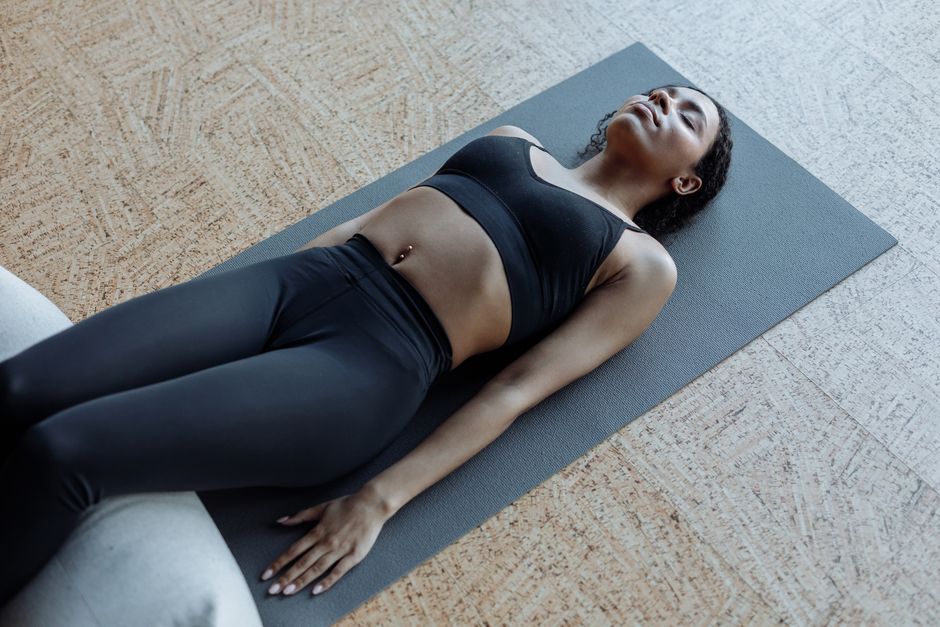
Most people do not choose their sleeping position. They fall asleep in one and wake up in another. But the position you spend the night in affects more than comfort. It affects your spine, your breathing, and even your digestion. The healthiest sleeping position for most adults is sleeping on your back. Side sleeping is a close second and is often better for specific conditions like snoring or pregnancy. Stomach sleeping is generally the least supportive for your spine and neck.
What Is The Healthiest Sleeping Position?
Sleeping on your back is the most balanced position for your body. Your head, neck, and spine stay in a neutral line. There is no twisting and no awkward angle. This keeps pressure off your joints and allows your muscles to relax fully.
Back sleeping also helps with acid reflux. When your head is slightly elevated and your stomach is not compressed, stomach acid is less likely to travel up your esophagus. Some research suggests this position may also reduce facial wrinkles because your face is not pressed into a pillow.
The main downside is snoring. Back sleeping can make snoring worse because gravity pulls the soft tissues in your throat backward. If you snore heavily or have sleep apnea, your doctor may recommend a different position.
Is Side Sleeping Healthy?
Side sleeping is the most common position. It is also the position most experts recommend for people with certain health conditions.
Sleeping on your left side is often recommended during pregnancy. It improves blood flow to the fetus and reduces pressure on internal organs. Many healthcare providers specifically advise left-side sleeping in the third trimester.
Side sleeping also helps with snoring and mild sleep apnea. It keeps your airway more open than sleeping on your back. If you have acid reflux, left-side sleeping may reduce symptoms more than right-side sleeping.
The key to healthy side sleeping is the right pillow. Your head and neck need support so your spine stays straight. A pillow that is too high or too low will bend your neck and cause morning stiffness.
Some people develop shoulder pain from side sleeping. This happens when the shoulder bears too much weight. A firmer mattress or a pillow placed between your knees can help align your hips and reduce strain on your lower back.
What About Stomach Sleeping?
Stomach sleeping is the least recommended position. It forces your neck to turn to one side for hours. That rotation strains the muscles and joints in your neck and upper back.
Stomach sleeping also flattens the natural curve of your lower spine. This can lead to lower back pain over time. Many people who sleep on their stomach wake up with stiffness that improves during the day.
If you are a stomach sleeper and want to change, do it gradually. Start by placing a very thin pillow under your head or no pillow at all. A pillow under your pelvis can reduce some pressure on your lower back. These adjustments do not fix the position completely, but they reduce some of the strain.
Changing a deeply ingrained sleep position is difficult. Your body has habits that are years old. Be patient with yourself. Small changes over weeks are more realistic than an overnight switch.





How Does Sleeping Position Affect Your Spine?
Your spine has natural curves. When you lie down, your goal is to keep those curves supported. The wrong position or the wrong pillow can flatten or overextend them.
In back sleeping, a pillow should support the curve of your neck without pushing your head too far forward. A medium-loft pillow usually works best. If your mattress is firm, you may need a slightly thicker pillow.
In side sleeping, your pillow needs to fill the gap between your ear and your shoulder. This keeps your cervical spine in a straight line. A pillow that is too thin lets your head drop. A pillow that is too thick pushes your head up.
In stomach sleeping, the neck is always rotated. No pillow can fully fix this. The only way to protect your spine in this position is to move to another position.
Your mattress also matters. A mattress that is too soft lets your hips sink and misaligns your spine. A mattress that is too hard creates pressure points. Most experts recommend a medium-firm mattress for back and side sleepers.
Does Sleeping Position Affect Snoring or Sleep Apnea?
Yes. Position has a direct effect on your airway during sleep.
When you sleep on your back, gravity pulls your tongue and soft palate backward. This narrows your airway. For people who snore, this makes snoring louder. For people with obstructive sleep apnea, it increases the number of breathing pauses.
Side sleeping keeps the airway more open. Many people with mild sleep apnea snore less and breathe better on their side. Some clinicians recommend positional therapy for people whose apnea is worse on their back. This involves using devices or pillows that encourage side sleeping.
If you have been diagnosed with sleep apnea and use a CPAP machine, position still matters. Some people find their CPAP pressure needs are lower when they sleep on their side. Talk to your sleep specialist about whether positional changes could help you.
Do not stop using your CPAP based on position alone. Sleep apnea is a serious medical condition. Position changes can help, but they are not a replacement for prescribed treatment.
What Is the Best Position for Pregnancy?
Left-side sleeping is the standard recommendation during pregnancy, especially in the second and third trimesters.
This position improves circulation. It keeps the weight of the uterus off the inferior vena cava, the large vein that returns blood to your heart. Better circulation means better blood flow to the fetus.
Left-side sleeping also reduces swelling in the legs and feet. It helps your kidneys work more efficiently, which reduces fluid retention.
Back sleeping becomes less comfortable as pregnancy progresses. The weight of the uterus can compress blood vessels and cause dizziness or shortness of breath. Many women naturally shift to side sleeping as their belly grows.
Use pillows for support. A pillow between your knees aligns your hips. A pillow under your belly reduces strain on your lower back. Full-body pregnancy pillows can make side sleeping much more comfortable.
Can Changing Your Sleeping Position Improve Your Health?
For some people, yes. For others, the benefit is modest.
If you wake up with neck pain, back pain, or headaches, your sleeping position may be a contributing factor. Adjusting your position and pillow can reduce morning stiffness and improve sleep quality.
If you snore, side sleeping may reduce the noise and improve your partner’s sleep. If you have acid reflux, left-side sleeping may reduce nighttime symptoms.
But position alone will not fix serious health problems. Chronic back pain often has multiple causes. Sleep apnea requires proper diagnosis and treatment. Acid reflux may need medication or dietary changes.
Think of sleeping position as one tool. It is a simple, free tool that you can use every night. But it works best alongside other healthy habits like consistent sleep timing, a comfortable sleep environment, and regular physical activity.
Frequently Asked Questions
What is the worst sleeping position?
Stomach sleeping is generally the worst position for spinal alignment. It forces your neck to rotate for hours and flattens the natural curve of your lower back.
Is it better to sleep on your left or right side?
Left-side sleeping is better for pregnancy and acid reflux. For most other people, both sides are acceptable as long as your spine stays aligned.
Can sleeping position cause shoulder pain?
Yes, side sleeping can cause shoulder pain if your pillow is too high or your mattress is too firm. A pillow between your knees and a medium-firm mattress can reduce strain.
How long does it take to change your sleeping position?
It usually takes several weeks of consistent effort to change a sleep position. Using pillows as barriers can help you stay in a new position during the night.
