
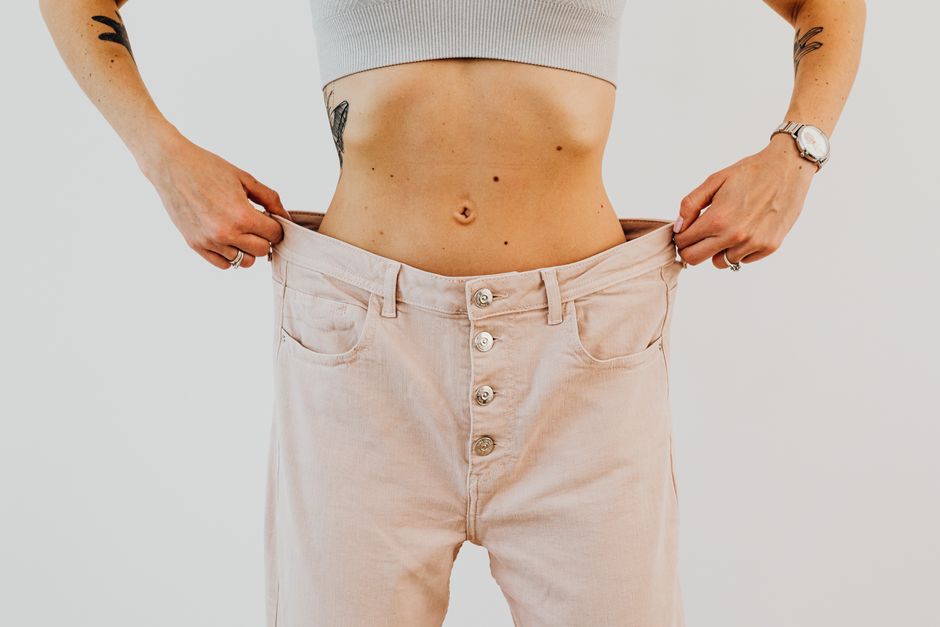
Most people who have tried to change their body shape notice the same pattern. The scale moves, the face looks leaner, the arms slim down, but the belly and lower body hang on. The hardest fat to lose is usually visceral fat — the fat stored deep inside the abdomen around the organs — along with stubborn fat deposits in the lower belly, hips, and thighs. These areas are harder to lose because of a mix of hormone signaling, blood flow, fat cell biology, and genetics, not because of willpower or a broken metabolism.
That answer surprises people. Fat is not one uniform tissue. Where it sits, how it responds to insulin, and how easily it releases stored energy all differ by location. Some fat gives up its stores readily. Some resists. Understanding why makes the process less mysterious and far less personal.
What Is The Hardest Fat To Lose And Why?
Visceral fat is the hardest to lose, and lower belly and hip fat runs a close second. Visceral fat sits behind the abdominal muscle wall, wrapped around the liver, intestines, and other organs. Subcutaneous fat sits just under the skin where you can pinch it. Both are real fat, but they behave differently.
Visceral fat is more metabolically active. It releases fatty acids and inflammatory signals directly into the bloodstream and drains into the liver through the portal vein. That makes it more strongly linked to insulin resistance and cardiovascular risk than fat stored elsewhere. Research consistently shows visceral fat carries more health risk than subcutaneous fat at the same total body weight.
Here is the part many people miss. Visceral fat is often easier to lose than it is to keep. When the body goes into an energy deficit, visceral fat tends to mobilize relatively early. Studies using imaging to track fat loss have found that visceral fat responds to diet and exercise changes sooner than many subcutaneous depots. The stubborn lower belly is usually a mix of both types, which is why results feel slow and uneven.
Why Does Lower Belly Fat Resist Weight Loss?
Lower belly fat is dominated by subcutaneous fat, and subcutaneous fat in the lower abdomen and hips is stubborn for biological reasons. Fat cells are not passive storage tanks. They respond to hormones, and they release stored fat only when the body signals them to.
Fat cells carry receptors for insulin, cortisol, and sex hormones. Insulin strongly suppresses fat release. In the lower body, fat cells tend to have a higher ratio of alpha-2 adrenergic receptors to beta-adrenergic receptors. Alpha-2 receptors inhibit fat breakdown. Beta receptors stimulate it. A higher alpha-2 ratio means these fat cells hold on to their stores more tightly when the body calls for energy.
Blood flow matters too. Fat must be carried away by blood once it is released. Areas with lower blood flow release fat more slowly. The lower abdomen and hips have relatively less blood flow than the face, neck, or upper chest, which is part of why those areas change last.
This is also why spot reduction does not work. Doing hundreds of crunches builds abdominal muscle, but it does not preferentially burn the fat sitting over that muscle. The body draws energy from wherever its hormonal signals direct it, not from the muscle you happen to be working.
Does Hormonal Fat Distribution Explain Stubborn Areas?
Hormones shape where fat is stored before weight loss even begins. Estrogen tends to direct fat storage to the hips, thighs, and lower body. Testosterone tends to direct it to the abdomen. Cortisol, the stress hormone, is associated with deeper abdominal fat storage.
This is why body shape differs so much between men and women, and why fat patterns shift with age. As estrogen levels decline during and after menopause, many women notice fat moving from the hips and thighs toward the abdomen. The underlying fat cells do not disappear. They change how they store and release energy as the hormonal environment shifts.
Some fat cells also have a limited capacity to expand. When they reach that limit, the body recruits new fat cells or stores excess energy in the liver and muscle. This is one reason long-term weight patterns can be hard to reverse once they are established, though the biology is complex and not fully understood.





Why Is Fat Loss Slower In Some Areas Than Others?
Fat loss happens across the whole body at once, but not at the same rate everywhere. The order in which you lose fat is largely set by genetics and hormone receptor patterns, not by choice.
Some people lose from the face and chest first and the belly last. Others lose from the belly first and the lower body last. There is no reliable way to predict or control the sequence. What you can influence is total fat loss, which pulls from all depots eventually.
One clarification worth holding onto: the areas that change last are not “toxic fat” or “trapped fat” that needs special treatment. They are ordinary fat cells with a different receptor profile and blood supply. No wrap, cream, or device has been shown in controlled trials to selectively remove fat from a specific area. Some aesthetic procedures physically remove fat cells, but that is a medical intervention with real risks, not a weight loss method.
What Actually Helps With Stubborn Fat?
A sustained calorie deficit is the only reliable driver of fat loss. Everything else supports that foundation. The evidence here is strong and consistent across decades of research.
How you create the deficit matters less than whether you can maintain it. Some approaches that have reasonable evidence behind them:
- Resistance training helps preserve muscle mass during weight loss, which keeps resting metabolism from dropping as much.
- Adequate protein intake supports muscle retention and tends to increase satiety.
- Sleep matters more than most people expect. Short sleep is associated with changes in appetite hormones and higher calorie intake.
- Managing stress supports the hormonal environment, though the direct effect on stubborn fat is harder to measure.
- Patience is not a platitude here. Fat loss in resistant areas is slow because the biology is slow.
No food, supplement, or tea has been shown to target visceral fat or lower belly fat specifically. Some studies suggest certain dietary patterns are associated with less visceral fat over time, but association is not the same as a targeted effect. The evidence for specific “fat-burning” products is weak to absent.
How Long Does It Take To Lose Stubborn Fat?
There is no reliable timeline for losing fat from a specific area. This is one of the most honest things that can be said about it. Total fat loss typically follows a gradual curve, and resistant areas tend to lag behind the rest of the body.
What is well established is that fat loss requires a consistent energy deficit over time. How quickly that translates into visible change in a stubborn area varies enormously between people. Genetics, starting body composition, age, hormonal status, and adherence all play a role. Anyone promising a specific number of weeks for a specific area is guessing.
What is not in doubt is direction. When total body fat falls and stays lower, visceral fat and subcutaneous fat both decrease. The stubborn areas do respond. They just respond last, and they respond slowly.
When Should You Talk To A Doctor?
Talk to a doctor if weight changes are unexplained, rapid, or accompanied by symptoms like fatigue, changes in thirst or urination, or unusual fat accumulation in the abdomen or upper back. These can sometimes signal hormonal or metabolic conditions that need medical evaluation.
Visceral fat is linked to higher risk of type 2 diabetes and cardiovascular disease, so a clinician can help assess your individual risk using measures like waist circumference and standard blood tests. This is not about appearance. It is about metabolic health, and it is worth a conversation if you have concerns.
Frequently Asked Questions
What is the hardest fat to lose?
Visceral fat around the organs and stubborn subcutaneous fat in the lower belly, hips, and thighs are the hardest to lose. They resist fat release because of hormone receptor patterns, lower blood flow, and genetics.
Why does belly fat stay even when I lose weight elsewhere?
Fat is lost across the whole body but at different rates depending on receptor patterns and blood supply. Lower belly fat has more receptors that inhibit fat release, so it tends to change last.
Can you target fat loss to one area?
No. Spot reduction has not been supported by controlled research. Exercise builds muscle in the area you work, but the body draws fat from wherever its hormonal signals direct it.
Does visceral fat go away with diet and exercise?
Yes. Visceral fat tends to respond relatively early to a sustained calorie deficit and increased physical activity. Imaging studies have shown it decreases with consistent lifestyle changes.
