
Tyrosine is a non-essential amino acid that your body builds from another amino acid called phenylalanine. Its main job is to serve as a building block for important brain chemicals called neurotransmitters, including dopamine, norepinephrine, and epinephrine. These chemicals help regulate mood, focus, alertness, and how your body responds to stress. Tyrosine also plays a role in making thyroid hormones and the pigment that gives color to your skin and hair.
What Is Tyrosine and Where Does It Come From?
Tyrosine is one of the 20 amino acids your body uses to make proteins. It is classified as a non-essential amino acid because your body can produce it on its own. The liver converts phenylalanine, an essential amino acid found in food, into tyrosine.
You also get tyrosine directly from dietary sources. Foods rich in protein are the best sources. These include chicken, turkey, fish, eggs, dairy products, nuts, seeds, and soy products like tofu. For most people, a normal diet provides plenty of tyrosine without any need for supplements.
What Is The Function Of Tyrosine As An Amino Acid?
Tyrosine’s primary function is acting as a precursor, meaning it is a starting material, for several critical molecules in the body. Without tyrosine, your body cannot make these compounds efficiently.
The most well-studied function involves the brain. Tyrosine crosses the blood-brain barrier and enters brain cells where it is converted into L-DOPA. L-DOPA is then converted into dopamine, a neurotransmitter that controls movement, motivation, and the experience of reward. Dopamine is also converted into norepinephrine and epinephrine, sometimes called noradrenaline and adrenaline. These chemicals are central to your body’s “fight or flight” response, helping you stay alert and focused during stressful situations.
Outside the brain, tyrosine is required for the production of thyroid hormones, specifically thyroxine (T4) and triiodothyronine (T3). These hormones regulate your metabolism, heart rate, and body temperature. Tyrosine is also a building block for melanin, the pigment in your skin, hair, and eyes.
Can Tyrosine Improve Focus and Mental Performance?
Because tyrosine is needed to make dopamine and norepinephrine, researchers have studied whether extra tyrosine can boost mental performance. The evidence is strongest for situations involving acute stress or cognitive strain.
Some studies suggest that tyrosine supplementation may help preserve mental performance during demanding tasks, such as sleep deprivation, extreme cold, or intense military training exercises. The theory is that when the brain is working hard, it uses up its supply of neurotransmitters faster than it can replace them. Giving the brain more tyrosine may help it maintain production of these important chemicals.
However, the evidence is not clear for healthy people doing everyday mental tasks. Some research indicates that tyrosine does not improve memory, attention, or reaction time in people who are not under significant stress. Taking a supplement on a normal day when you are well-rested is unlikely to make you noticeably sharper. The benefit appears to be limited to situations where your natural supply has been depleted.




Does Tyrosine Help With Mood and Depression?
Given its role in dopamine production, tyrosine has been investigated as a potential treatment for depression. The logic is straightforward: if depression involves low dopamine activity, providing more of its building block might help.
Clinical evidence does not support this use. Research on tyrosine for depression is limited, and the studies that exist have not shown consistent benefits. Some older trials from the 1980s found no significant difference between tyrosine and a placebo for treating depression. Modern psychiatric guidelines do not recommend tyrosine as a treatment for depression or any other mood disorder.
It is also worth noting that depression is a complex condition involving many brain systems, not just one or two neurotransmitters. A single amino acid supplement is unlikely to address the root causes. If you are experiencing symptoms of depression, you should talk to a doctor rather than self-treating with supplements.
Tyrosine and Phenylketonuria (PKU)
There is one medical condition where tyrosine becomes essential. People with phenylketonuria, or PKU, cannot convert phenylalanine into tyrosine because they lack a specific enzyme. This causes phenylalanine to build up to dangerous levels in the blood, which can damage the brain.
People with PKU must follow a strict low-phenylalanine diet. Because they cannot make their own tyrosine, it becomes an essential amino acid for them. They need to get it from their diet or from specially formulated medical foods. This is managed under the care of a metabolic specialist and a registered dietitian. If you do not have PKU, this does not apply to you.
What Are the Risks and Side Effects of Tyrosine Supplements?
Tyrosine supplements are generally considered safe when taken in moderate amounts for short periods. Common side effects are mild and can include nausea, headache, fatigue, and heartburn.
There are important precautions. Tyrosine can interact with certain medications, particularly monoamine oxidase inhibitors (MAOIs), which are used to treat depression. Combining them can cause a dangerous spike in blood pressure. People taking thyroid medication should also be cautious, as tyrosine could potentially interfere with how the medication works.
No clinical guidelines currently exist for safe tyrosine dosing in pregnant or breastfeeding women. If you are pregnant, nursing, or taking any medication, talk to your doctor before starting any supplement. The long-term safety of daily tyrosine supplementation has not been established through large human trials.
Food Sources vs. Supplements
For most people, food is the best and safest source of tyrosine. Your body absorbs tyrosine from protein-containing foods efficiently, and you do not run the risk of taking too much. A varied diet that includes animal or plant proteins will provide all the tyrosine your body needs.
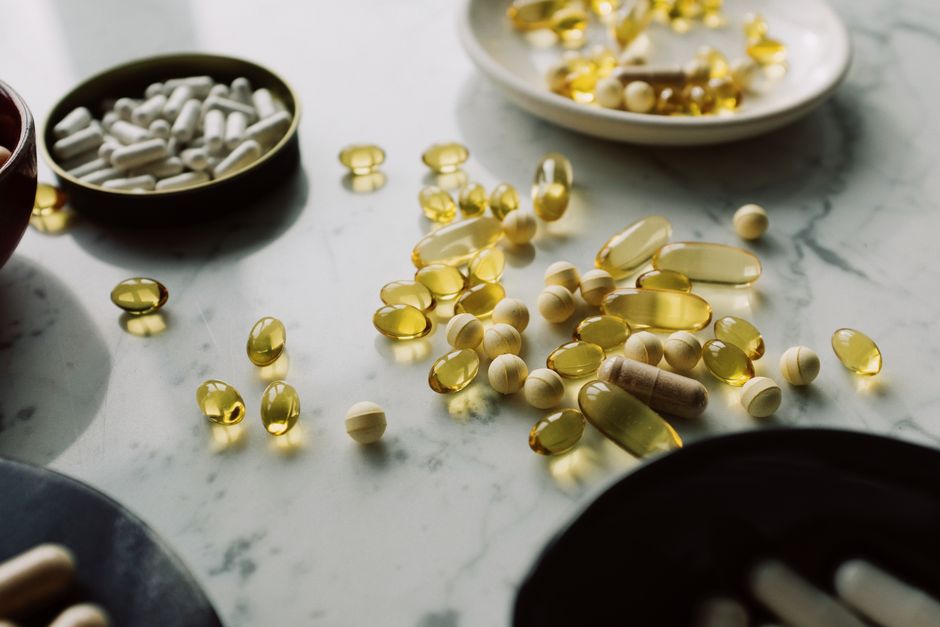
Supplements deliver a concentrated dose in a single serving. This may be appropriate in specific situations, such as under a doctor’s guidance for a diagnosed deficiency. But for general health, there is no evidence that supplementing with tyrosine provides benefits beyond what a normal diet already provides. Marketing claims that tyrosine boosts focus, burns fat, or enhances athletic performance go beyond what current research supports.
How Much Tyrosine Do You Need?
There is no separate recommended daily allowance for tyrosine because your body makes it from phenylalanine. Instead, nutrition guidelines group them together as “total aromatic amino acids.” The daily requirement for phenylalanine plus tyrosine is estimated at about 30 milligrams per kilogram of body weight per day for adults. That means a person weighing 70 kilograms, or about 154 pounds, needs roughly 2 grams of these amino acids combined each day.
This amount is easily met through a normal diet. For reference, a single 100-gram serving of cooked chicken breast provides well over a gram of tyrosine and phenylalanine combined. You would have to eat a very restricted diet to come up short.
Frequently Asked Questions
Is tyrosine an essential amino acid?
No, tyrosine is a non-essential amino acid because your body can make it from phenylalanine. It only becomes essential for people with PKU who cannot perform this conversion.
Can tyrosine supplements help with weight loss?
No clinical evidence confirms that tyrosine supplements cause weight loss. Some products claim it boosts metabolism through thyroid hormone production, but no studies have demonstrated this effect in humans.
How long does it take for tyrosine to work?
When taken on an empty stomach, tyrosine reaches peak levels in your blood within one to two hours. Whether you notice any effect depends on the situation, and most healthy people will not notice any difference at all.
Should I take tyrosine with food?
Taking tyrosine with a high-protein meal can reduce how much reaches your brain because other amino acids compete for the same transport system. Taking it between meals may improve absorption, but this has not been consistently proven in clinical studies.
