
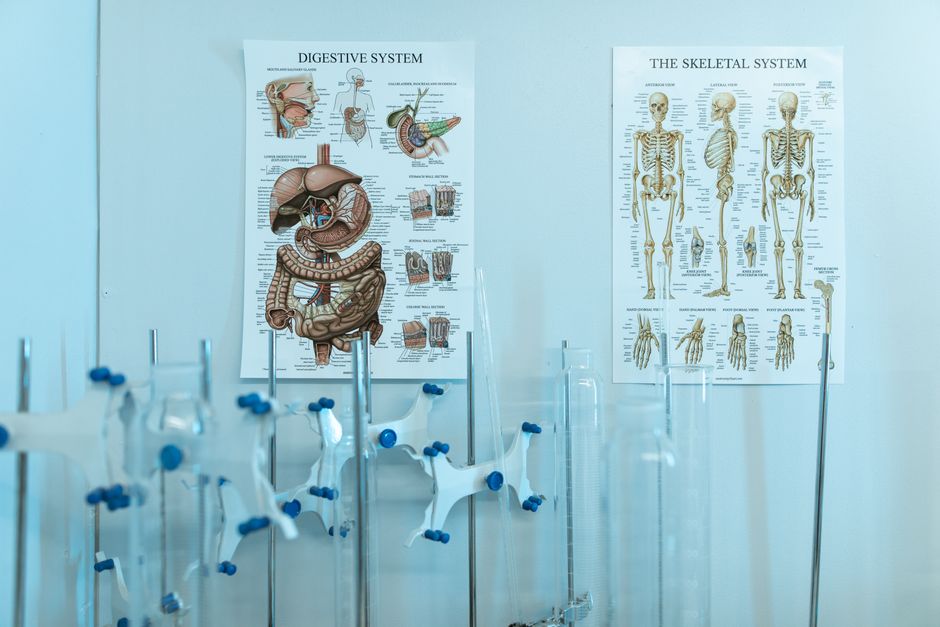
The skeletal system is the framework of your body. It is made up of bones, cartilage, ligaments, and tendons. Most people think of it as just a structure that holds you up, but it does far more than that. Your skeleton is a living, active system that protects your organs, stores minerals, and produces blood cells. Without it, you could not move, stand, or even breathe properly.
What Is The Function Of The Skeletal System?
The skeletal system has five major jobs. It provides support, allows movement, protects internal organs, stores minerals and fats, and produces blood cells. Each of these functions is critical for daily survival. The bones are not dead, hard rocks inside your body. They are living tissue that constantly changes and repairs itself.
Support is the most obvious role. Your bones give your body its shape and keep your soft tissues in place. Your spine holds your head upright. Your ribs keep your chest cavity open so your lungs can expand. Your legs carry your weight. Without this framework, your body would collapse into a pile of soft tissue.
How Does the Skeletal System Help You Move?
Bones act as levers for movement. Muscles attach to bones via tendons. When a muscle contracts, it pulls on the bone, causing movement at a joint. This is how you walk, lift, and grasp objects.
Joints are where two bones meet. They come in different types. Hinge joints like your elbows and knees move in one direction. Ball-and-socket joints like your shoulders and hips allow a wide range of motion. Cartilage covers the ends of bones at joints. It acts as a shock absorber and reduces friction so bones do not grind against each other.
Ligaments connect bone to bone. They hold joints together and keep them stable. Without ligaments, your joints would dislocate with every movement. The combination of muscles, tendons, ligaments, and bones working together is what makes movement possible.
Which Organs Does the Skeleton Protect?
Protection is a life-saving function of the skeleton. The skull is a hard case that surrounds the brain. It absorbs impact and shields the brain from injury. The rib cage protects the heart and lungs. It is flexible enough to expand when you breathe but strong enough to resist most blows.
The vertebral column, or spine, protects the spinal cord. The spinal cord is the main highway for nerve signals between your brain and the rest of your body. Each vertebra has a hole in the center. These holes line up to form a canal that the spinal cord passes through. Damage to the spine can interrupt these signals, leading to paralysis.
The pelvis protects the bladder, parts of the intestines, and in women, the reproductive organs. Even the bones of your face protect your eyes and sinuses from direct trauma. Every major organ in your body has some level of skeletal protection.





How Does Bone Store Minerals and Fat?
Bone tissue is a major storage site for minerals, especially calcium and phosphorus. Your body needs calcium for more than just strong bones. Your muscles need it to contract. Your nerves need it to send signals. Your blood needs it to clot.
When your blood calcium levels drop, your body pulls calcium out of your bones to maintain normal function. When levels are high, it stores the extra calcium in bone. This process is controlled by hormones. The bones act like a bank for calcium, making deposits and withdrawals as needed.
Bones also store fat. Yellow bone marrow is made up of fat cells. This fat serves as an energy reserve. In a severe emergency, your body can use this stored fat for fuel. The amount of yellow marrow increases as you age, replacing red marrow that produces blood cells.
Where Does Blood Cell Production Happen?
Red bone marrow is where blood cells are made. This process is called hematopoiesis. Red marrow produces red blood cells, white blood cells, and platelets.
Red blood cells carry oxygen from your lungs to every tissue in your body. White blood cells fight infection. Platelets help your blood clot when you are injured. All three are essential for survival.
In adults, red marrow is found mainly in the flat bones. These include the pelvis, sternum, ribs, skull, and vertebrae. It is also found in the ends of the long bones like the femur and humerus. In children, red marrow is present in nearly all bones. As you age, much of it converts to yellow marrow.
Your body produces millions of blood cells every second. This is a constant, nonstop process. Without the skeletal system fulfilling this role, your blood would quickly become depleted and you would not survive.
How Do Bones Change Throughout Life?
Bone is dynamic tissue. It is constantly being broken down and rebuilt. This process is called remodeling. Specialized cells called osteoclasts break down old bone. Other cells called osteoblasts build new bone.
During childhood and adolescence, bone formation outpaces breakdown. This is how you grow. Your bones get longer and denser. Peak bone mass is typically reached by your late twenties. After that, you slowly begin to lose more bone than you build.
This is why nutrition and exercise matter throughout life. Weight-bearing exercise like walking, running, and lifting weights stresses your bones. That stress signals your body to build more bone tissue. Adequate calcium and vitamin D intake gives your body the raw materials it needs.
In older adults, bone loss can accelerate. This can lead to osteoporosis, a condition where bones become weak and brittle. Fractures from falls become a serious risk. This is not inevitable. Many people maintain strong bones well into old age with proper diet and activity.
What Happens When the Skeletal System Fails?
When skeletal function is compromised, the effects are widespread. A fracture can immobilize you and interrupt your daily life. Osteoporosis makes bones so fragile that they can break from a minor cough or a simple twist.
Joint problems like arthritis occur when cartilage wears down. Without this cushion, bones rub directly against each other. This causes pain, swelling, and reduced movement. Osteoarthritis is the most common type and is largely related to age and wear and tear.
Bone marrow disorders can be life-threatening. Leukemia is a cancer of the blood-forming tissues in bone marrow. It disrupts the production of normal blood cells. Other marrow diseases can cause anemia, increased infection risk, or bleeding problems.
These conditions highlight how much you depend on your skeleton. It is not just a support structure. It is an active organ system that keeps your blood, minerals, and movement in balance.
How Can You Keep Your Skeletal System Healthy?
You can take specific steps to protect your skeleton. Getting enough calcium is essential. Dairy products, leafy greens, and fortified foods are good sources. Vitamin D is equally important because your body cannot absorb calcium without it. Sunlight and foods like fatty fish provide vitamin D.
Regular exercise is non-negotiable for bone health. Weight-bearing activities force your bones to work against gravity. This stimulates bone formation. Resistance training with weights is particularly effective. Balance exercises like yoga or tai chi can also help prevent falls that lead to fractures.
Avoid smoking and limit alcohol intake. Both are linked to lower bone density. Smoking interferes with blood flow to bones and reduces calcium absorption. Heavy alcohol use can interfere with bone formation and increase fall risk.
Get regular check-ups. If you have risk factors for osteoporosis, your doctor may recommend a bone density test. This is especially important for women after menopause, as estrogen loss accelerates bone breakdown.
Frequently Asked Questions
How many bones are in the adult human body?
Adults have 206 bones. Babies are born with about 300, but many of these fuse together during development.
What is the difference between ligaments and tendons?
Ligaments connect bone to bone and stabilize joints. Tendons connect muscle to bone and transmit force to create movement.
Can bones repair themselves after a fracture?
Yes, bones have a remarkable ability to heal. The body forms a callus around the break and gradually replaces it with new bone tissue over several weeks or months.
Does drinking milk actually strengthen bones?
Milk provides calcium and vitamin D, which are essential for bone health. However, it is not the only way to get these nutrients, and exercise also plays a major role in bone strength.
