
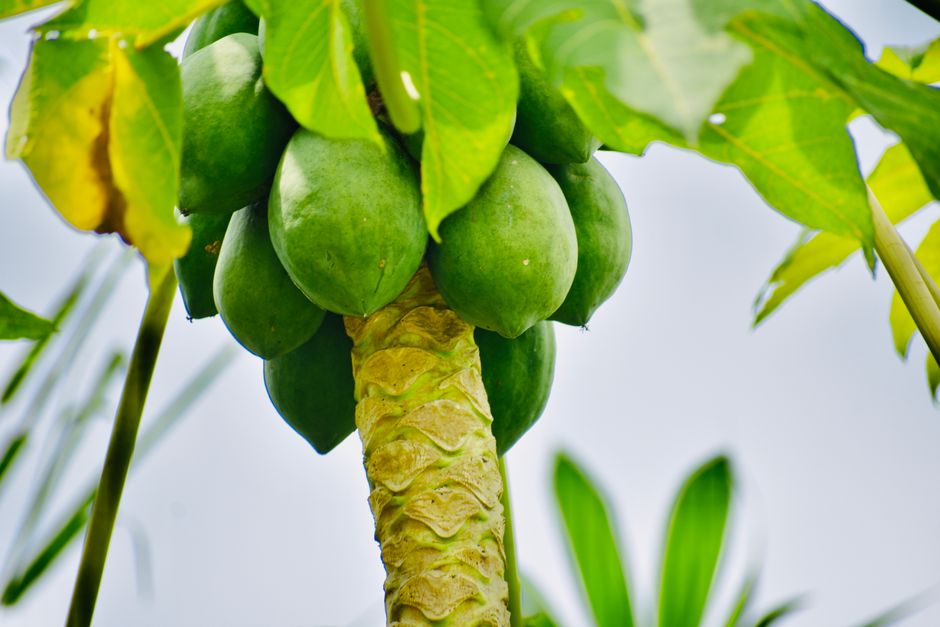
Papaya is a tropical fruit packed with vitamin C, vitamin A, and an enzyme called papain that helps break down proteins. Eating papaya can support digestion, reduce inflammation, and provide a solid dose of antioxidants. It is also a good source of fiber and folate, making it a genuinely nutritious addition to most diets.
What Is The Fruit Papaya Good For
Papaya offers several evidence-backed benefits. The most studied benefits involve digestion, heart health, and inflammation. The fruit contains high levels of vitamin C — more than oranges by weight — and a unique enzyme called papain that is used commercially as a meat tenderizer because it breaks down protein.
Your body does not use papain the same way it uses digestive enzymes made in your pancreas. But some research suggests it can still help with bloating and constipation. The fiber in papaya — about 2.5 grams per cup — also supports regular bowel movements.
Papaya is also rich in carotenoids, especially lycopene and beta-carotene. These compounds give the fruit its orange-pink color and act as antioxidants in the body. Antioxidants neutralize free radicals, which are unstable molecules that can damage cells over time.
Nutritional Profile of Papaya
One cup of fresh papaya cubes, about 145 grams, contains roughly 62 calories. That same serving provides more than 100 percent of the daily value for vitamin C. It also delivers about 10 percent of the daily value for folate and potassium.
Papaya is low in sugar compared to many other fruits. A cup has about 11 grams of naturally occurring sugar. For context, a cup of grapes has about 23 grams. This makes papaya a reasonable choice for people watching their sugar intake.
The fruit is also a source of vitamin A in the form of beta-carotene. Your body converts beta-carotene to retinol as needed. This supports eye health and immune function, though the conversion rate varies from person to person.
Digestive Benefits and the Papain Enzyme
Papain is the enzyme that gives papaya its reputation as a digestive aid. It is a protease, meaning it breaks proteins into smaller pieces. This is why unripe papaya is used in some traditional medicine systems to treat indigestion.
What the evidence actually shows is more modest. Some studies suggest papain can help reduce bloating and improve protein digestion when taken with meals. But most of the research on papain has been done on supplements, not on eating the fresh fruit. The amount of active papain in a ripe papaya is lower than in a concentrated supplement.
Still, the fiber content of papaya is a real digestive benefit. Fiber adds bulk to stool and helps prevent constipation. For people who struggle with irregularity, adding papaya to the diet is a reasonable step. It is not a treatment for serious digestive disorders like irritable bowel syndrome or inflammatory bowel disease, but it is unlikely to cause harm in most people.





Anti-Inflammatory Properties
Chronic inflammation is linked to many diseases, including heart disease, diabetes, and arthritis. Papaya contains several compounds with anti-inflammatory activity, including papain, chymopapain, and various carotenoids.
Some research has looked at fermented papaya preparations for reducing markers of inflammation. Results have been mixed but generally positive. A few small studies suggest that papaya extracts can lower levels of C-reactive protein, a marker of systemic inflammation. These studies used concentrated extracts, not fresh fruit, so the effect of eating papaya alone is less clear.
What is more established is that diets rich in fruits and vegetables are associated with lower inflammation. Papaya contributes to that pattern. It is not a substitute for anti-inflammatory medication, but it is a sensible part of an anti-inflammatory diet.
Heart Health and Cholesterol
Papaya contains fiber, potassium, and antioxidants — all of which matter for heart health. Potassium helps regulate blood pressure by counteracting sodium. Fiber can help lower LDL cholesterol, the type linked to heart disease.
Some animal studies have shown that papaya extracts can reduce cholesterol and triglyceride levels. Human studies are limited. One small trial found that fermented papaya preparation improved cholesterol profiles in older adults, but this was a supplement, not fresh fruit.
Lycopene, which is abundant in papaya, has been studied for its role in cardiovascular health. Some research links higher lycopene intake with lower risk of heart disease. The evidence is suggestive but not conclusive. No single food prevents heart disease, but regular fruit intake is consistently associated with better heart health.
Skin Health and Wound Healing
Vitamin C is essential for collagen production, and collagen is the main structural protein in skin. Papaya provides a generous amount of vitamin C, which supports skin elasticity and wound healing. One cup of papaya gives you more than the daily requirement for most adults.
Papain is also used topically in some wound care products. It helps remove dead tissue from burns and ulcers. This is a medical use, not something you should try at home with fresh papaya. Applying fruit directly to an open wound can introduce bacteria and cause infection.
Eating papaya for skin health is reasonable. The vitamin C and carotenoids it provides are the same nutrients found in many skin-healthy diets. But no food alone can reverse sun damage or prevent wrinkles. Skin health depends on sun protection, hydration, and overall diet quality.
Papaya and Blood Sugar
Papaya has a moderate glycemic index, meaning it does not cause rapid spikes in blood sugar. The fiber content slows sugar absorption. Some research suggests that papaya may have a mild blood sugar-lowering effect, possibly due to its antioxidant content.
One small study in people with type 2 diabetes found that fermented papaya reduced blood sugar and improved markers of oxidative stress. Again, this was a supplement. Fresh papaya is likely fine for most people with diabetes when eaten in reasonable portions, but it still contains sugar and should be counted as part of total carbohydrate intake.
People taking diabetes medication should be aware that large amounts of papaya could theoretically enhance the blood sugar-lowering effect. This is not well studied, so moderation is the sensible approach.
Potential Risks and Who Should Be Careful
Papaya is safe for most people. But there are a few situations where caution is warranted.
Unripe papaya contains latex, which can cause uterine contractions. Pregnant women are often advised to avoid unripe papaya for this reason. Ripe papaya has much lower latex content and is generally considered safe, but the evidence on this is limited. If you are pregnant, it is reasonable to eat ripe papaya in normal amounts and avoid unripe fruit.
People with a latex allergy may also react to papaya. This is called cross-reactivity. If you are allergic to latex, you should be cautious with papaya and discuss it with your doctor.
Papaya is one of the lower-pesticide fruits, but washing it thoroughly is still a good practice. The skin is not eaten, which reduces pesticide exposure compared to fruits eaten whole.
How to Choose and Eat Papaya
A ripe papaya yields slightly to pressure, like an avocado. The skin turns from green to yellow or orange. The flesh should be deep orange or pink, and the seeds are black and edible but bitter.
Papaya is versatile. You can eat it fresh, blend it into smoothies, or add it to salads. It pairs well with lime juice, which balances its sweetness. Some people eat it with a squeeze of lemon or a pinch of salt.
Green papaya is used in Southeast Asian cooking, especially in salads like som tam. It is firmer and less sweet than ripe papaya. Cooking green papaya reduces the papain activity, which is why it is often cooked in soups and stews.
There is no standard recommended amount of papaya. Most guidance simply suggests eating a variety of fruits daily. One cup of papaya a few times per week is a reasonable target for most people.
Frequently Asked Questions
Can papaya help with constipation?
Yes, the fiber and water content in papaya can help soften stool and promote regular bowel movements. It is not a laxative, but it can be part of a fiber-rich diet that prevents constipation.
Is papaya safe to eat every day?
For most people, eating papaya daily is safe and nutritious. If you have a latex allergy or are pregnant, talk to your doctor first.
Does papaya really improve digestion?
The papain enzyme in papaya breaks down protein, and the fiber supports bowel regularity. The effect is modest compared to enzyme supplements, but papaya is a reasonable digestive aid for some people.
Can people with diabetes eat papaya?
Yes, in moderation. Papaya has a moderate glycemic index and contains fiber, but it still counts as carbohydrate and should be portion-controlled.
