

Epstein-Barr virus (EBV) is one of the most common viruses in humans. By adulthood, most people have been infected, and in the majority of cases the virus causes nothing more than a brief, mild illness or no symptoms at all. When it does cause noticeable illness, it most often appears as infectious mononucleosis — the infection many people know as “mono.”
The virus is a member of the herpes virus family and stays in the body for life after infection. For most people this is harmless. In some situations, though, EBV is linked to certain cancers and other conditions, which is why researchers continue to study it closely.
What Is The Epstein Barr Virus Symptoms Risks?
EBV is a herpesvirus that spreads mainly through saliva and infects the body’s B immune cells. The most common illness it causes is infectious mononucleosis, marked by severe fatigue, sore throat, fever, and swollen lymph nodes in the neck.
Most infections are mild and resolve without treatment. The main risks are a prolonged recovery from mono, an enlarged spleen that can rupture, and — in people with weakened immune systems — a higher chance of serious complications.
The virus was first identified in 1964 by Michael Anthony Epstein and Yvonne Barr, whose names it carries. It is sometimes called human herpesvirus 4. Roughly nine in ten adults worldwide carry antibodies showing past infection, according to widely cited immunology research. That number is not a scare statistic — it reflects how ordinary and widespread this virus is.
How Does Epstein-Barr Virus Spread?
EBV spreads primarily through saliva. This is why it earned the nickname “the kissing disease,” though kissing is only one route.
Sharing eating utensils, drinking from the same cup, or using the same toothbrush can pass the virus. So can coughing or sneezing, especially in close contact. The virus can also spread through blood and, in rare cases, through organ transplant or blood transfusion.
People infected with EBV can shed the virus in their saliva for weeks, and sometimes intermittently for months, even after they feel well. That means a person can pass it on without knowing they are still contagious. This silent shedding is one reason the virus is so widespread.
Once you are infected, the virus remains in your body for life. It usually stays dormant inside certain immune cells. Reactivation can happen, particularly when the immune system is weakened, but in healthy people this typically causes no symptoms.
What Are the Symptoms of Epstein-Barr Virus?
Symptoms depend on age. Young children often have mild symptoms or none at all. When infection happens in the teen or young adult years, it is more likely to cause full infectious mononucleosis.
Classic mono symptoms include:
- Extreme fatigue that can last for weeks
- Sore throat, often severe
- Fever
- Swollen lymph nodes, especially in the neck
- Swollen tonsils, sometimes with a white coating
- Headache and body aches
- Loss of appetite
- A rash, more common if antibiotics were given
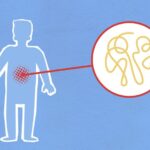
Some people also develop a swollen spleen or liver, which can cause pain in the upper left abdomen. The fatigue of mono is often the most lingering symptom. Many people feel better within two to four weeks, but tiredness can persist for several weeks or occasionally longer.
One detail worth knowing: if a person with mono is mistakenly given certain antibiotics, a widespread rash can appear. This rash does not mean the person is allergic to that antibiotic in the usual sense, but it is a well-recognized reaction in EBV infection. It is one reason doctors avoid treating mono with antibiotics, which do not work against viruses anyway.




How Is Epstein-Barr Virus Diagnosed?
Diagnosis usually starts with symptoms and a physical exam. A doctor may feel for an enlarged spleen or swollen lymph nodes and check the throat.
Blood tests can confirm EBV. The most common is a test for heterophile antibodies, sometimes called the monospot test. It works well in older children and adults but is less reliable in young children and in the first week of illness.
When results are unclear, doctors can test for specific EBV antibodies — proteins the immune system makes in response to the virus. These tests can show whether an infection is new, past, or reactivated. A complete blood count often shows an increased number of certain white blood cells, which supports the diagnosis.
Because many infections cause similar symptoms, EBV is not always the first thing tested. Conditions such as strep throat, cytomegalovirus, and other viral infections can look similar. This is why laboratory testing matters when the picture is not clear.
What Are the Risks and Complications?
For most healthy people, EBV causes an uncomfortable but self-limited illness. The risks that matter most fall into a few groups.
Spleen rupture. Mono can enlarge the spleen. In rare cases, a swollen spleen can rupture, which is a medical emergency. This is why people with mono are often advised to avoid heavy lifting, contact sports, and strenuous activity for several weeks. The exact time frame varies, and a doctor should give individual guidance.
Liver involvement. Mild liver inflammation is common in mono and usually resolves on its own. Severe liver problems are rare.
Blood and immune complications. In uncommon cases, EBV can affect blood cells or the immune system. These are more likely in people whose immune systems are already weakened.
Long-term associations. EBV is linked to several cancers, including some lymphomas and nasopharyngeal carcinoma, as well as to multiple sclerosis. This link is real and supported by research, but context matters greatly. The overwhelming majority of people infected with EBV never develop these conditions. The virus appears to be one contributing factor among several, not a direct cause on its own for most people.
In people with severely weakened immune systems — such as organ transplant recipients or those with advanced HIV — EBV can cause more serious problems, including certain lymphomas. Doctors monitor these patients carefully.
Is There a Treatment or Vaccine for Epstein-Barr Virus?
There is no antiviral treatment that cures EBV, and there is no approved vaccine. Care focuses on managing symptoms while the body clears the active infection.
Supportive care typically includes rest, plenty of fluids, and over-the-counter pain or fever relievers. Because of the risk of a rare but serious liver condition in children and teens recovering from viral illness, aspirin is generally avoided in that age group. Acetaminophen or ibuprofen are common alternatives, used as directed.
Antibiotics do not help because EBV is a virus. In fact, as noted earlier, certain antibiotics can trigger a rash in people with mono.
Some clinicians recommend avoiding strenuous activity and contact sports for a period of weeks to protect an enlarged spleen, but the exact duration is not firmly standardized and should be set by a doctor based on the individual. Corticosteroids are sometimes used for severe swelling of the throat or other complications, though this is not routine and carries its own risks.
Vaccine research is ongoing. Several candidates have been studied, but as of now none is approved for general use. It is fair to say the evidence for an effective vaccine is still developing, not settled.
When Should You See a Doctor?
See a doctor if you have a severe sore throat, a high or lasting fever, significant trouble swallowing, or pain in the upper left abdomen. That last symptom can signal an enlarged spleen and should not be ignored.
Seek emergency care for sudden, severe abdominal pain, especially on the left side, or if you feel faint or have rapid heartbeat after abdominal pain. These can be signs of a ruptured spleen, which is rare but serious.
Also see a doctor if fatigue lasts for many weeks, if symptoms keep getting worse, or if you have a weakened immune system. In those situations, closer evaluation is warranted.
Frequently Asked Questions
How long does Epstein-Barr virus last?
Most people recover from the acute illness within two to four weeks, though fatigue can linger for several weeks longer. The virus itself stays in the body for life but usually remains inactive.
Is Epstein-Barr virus the same as mono?
EBV is the most common cause of infectious mononucleosis, but mono can also be caused by other viruses such as cytomegalovirus. So EBV often causes mono, but not every case of mono is EBV.
Can you get Epstein-Barr virus more than once?
The virus stays in your body for life, but a first infection usually provides immunity that prevents a second round of mono. Reactivation can occur, especially with a weakened immune system, but it often causes no symptoms.
Is Epstein-Barr virus contagious?
Yes, EBV spreads mainly through saliva and can be passed through kissing, shared utensils, or close contact. People can shed the virus in saliva for weeks, sometimes without symptoms.
