
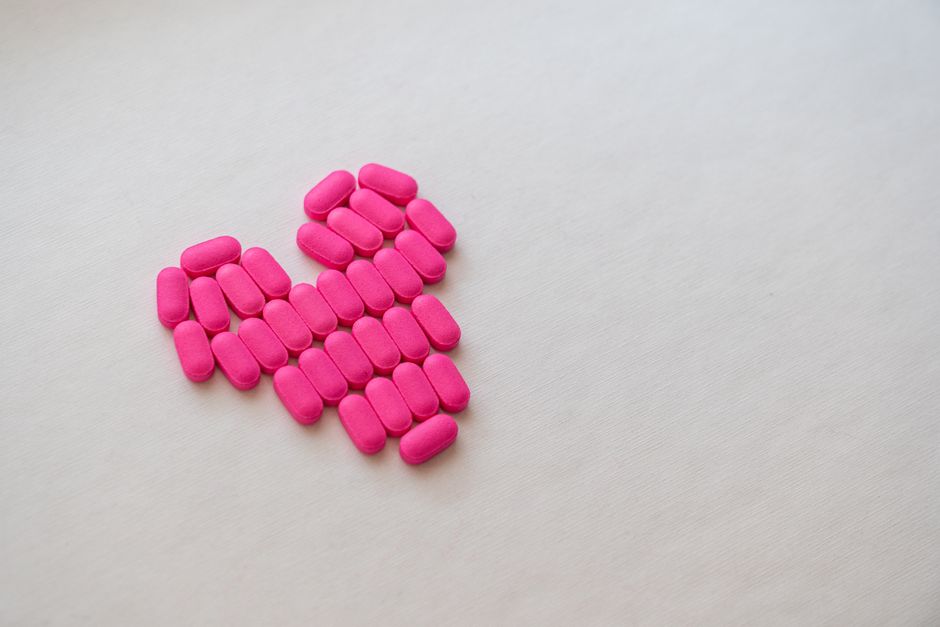
Dilaudid is a brand name for hydromorphone, a prescription opioid pain medication. It is used to treat moderate to severe pain when other treatments are not enough. Hydromorphone is a strong drug. It belongs to the same class as morphine and oxycodone, and it carries real risks, including dependence and overdose.
What Is The Drug Dilaudid?
Dilaudid is a powerful opioid analgesic. The active ingredient is hydromorphone, a semi-synthetic opioid made from morphine. It works by binding to opioid receptors in the brain and spinal cord, which changes how the body perceives pain.
Hydromorphone was first synthesized in Germany in the 1920s. It has been used in clinical medicine for decades. It is available in several forms:
- Immediate-release tablets for pain that needs fast relief
- Extended-release tablets for around-the-clock pain control
- Injectable solutions for hospital and surgical use
- Oral liquid for patients who cannot swallow pills
Dilaudid is a controlled substance. In the US, it is a Schedule II drug, the category reserved for medications with accepted medical use but a high potential for abuse. That classification is not a formality. It reflects decades of data on how this drug behaves in the body and in the population.
How Does Hydromorphone Work in the Body?
Hydromorphone binds to mu-opioid receptors in the central nervous system. These receptors normally respond to the body’s own pain-relieving chemicals. When hydromorphone attaches to them, it blocks pain signals from reaching the brain and triggers a release of dopamine, which can create a sense of calm or euphoria.
That same mechanism explains the drug’s dangers. Mu-opioid receptors are also involved in breathing. At higher doses, hydromorphone can slow breathing to dangerous levels. This is the main way opioid overdoses kill people.
The liver processes hydromorphone. Because of how the body metabolizes it, the drug can accumulate in people with liver or kidney problems, raising the risk of side effects. Some clinicians adjust doses in these patients, but this is based on how the drug is processed rather than on large trials comparing outcomes. It is a reasonable precaution, not a proven dose strategy.
What Conditions Is Dilaudid Prescribed For?
Dilaudid is prescribed for moderate to severe pain. It is not a first-line treatment for ordinary aches, headaches, or mild injuries. Doctors typically reserve it for situations such as:
- Severe pain after surgery
- Pain from cancer
- Serious injuries or trauma
- Pain that has not responded to other medications
In hospitals, injectable hydromorphone is common for post-surgical pain. The oral forms are used more often for ongoing pain that requires strong relief.
It is important to understand what Dilaudid is not. It does not treat the cause of pain. It changes how pain is experienced. For most people with chronic non-cancer pain, clinical guidelines generally favor a cautious approach to opioids, and many recommend trying other options first. The evidence for long-term opioid use in chronic pain is mixed, and the risks tend to grow over time.




What Are the Risks and Side Effects?
Common side effects include drowsiness, constipation, nausea, itching, and dizziness. Constipation is especially persistent. Unlike nausea, it usually does not fade with continued use, and it often needs to be managed with diet, fluids, and sometimes medication.
More serious risks include:
- Respiratory depression — slowed breathing that can become fatal
- Dependence — the body adapts to the drug and withdrawal occurs when it stops
- Addiction — compulsive use despite harm, which is different from physical dependence
- Overdose — especially when combined with alcohol, benzodiazepines, or other sedatives
Dependence and addiction are not the same thing, though people often use the terms interchangeably. Dependence is a physical response that can happen to anyone taking opioids regularly, even exactly as prescribed. Addiction involves loss of control and continued use despite serious consequences. A patient can be dependent without being addicted, and the distinction matters for how care is managed.
Mixing Dilaudid with alcohol or anti-anxiety drugs like benzodiazepines sharply raises the risk of overdose. This combination is a well-documented factor in opioid deaths.
How Is Dilaudid Different From Other Opioids?
Hydromorphone is more potent than morphine by weight. That does not automatically make it more effective or more dangerous in practice, because doses are adjusted to match the drug. Potency describes how much drug is needed, not how well it works or how safe it is.
Here is a general comparison of common prescription opioids. Exact potency ratios vary and should never be used to convert doses without clinical guidance.
| Drug | Class | Typical Use |
|---|---|---|
| Hydromorphone (Dilaudid) | Strong opioid | Moderate to severe pain |
| Morphine | Strong opioid | Moderate to severe pain |
| Oxycodone | Strong opioid | Moderate to severe pain |
| Hydrocodone | Opioid | Moderate pain |
| Tramadol | Weak opioid | Moderate pain |
One non-obvious point: a higher-potency opioid is not a stronger painkiller in any meaningful sense for the patient. Once a dose is matched, the pain relief is broadly similar across this class. What differs is how the drug is metabolized, how long it lasts, and how it interacts with other medications.
Can You Become Addicted to Dilaudid?
Yes. Hydromorphone has a high potential for abuse and dependence. The risk rises with higher doses, longer use, and a personal or family history of substance use disorder.
That said, most people prescribed opioids for short-term pain after surgery do not become addicted. Research consistently shows that the risk of new, long-term opioid use is higher when prescriptions are for more days or higher doses, but the absolute numbers for short courses remain low. The risk is real but is often overstated in one direction and understated in another.
Signs that use may be becoming a problem include:
- Taking more than prescribed or using it to feel good rather than for pain
- Running out early or getting prescriptions from multiple doctors
- Continued use despite problems at work, home, or with health
- Withdrawal symptoms when stopping
If any of these sound familiar, talking to a doctor is the right move. Opioid use disorder is treatable, and medications like buprenorphine and methadone are effective, well-established treatments.
What Should You Know About Overdose and Safety?
Overdose is the most serious acute risk. Signs include slow or shallow breathing, extreme sleepiness, cold or clammy skin, pinpoint pupils, and unresponsiveness. If you see these signs, call 911 immediately.
Naloxone is a medication that reverses opioid overdose. It is available in many states without a prescription and is widely carried by first responders. If someone is overdosing, naloxone can save their life while waiting for help.
Other safety points worth knowing:
- Never share Dilaudid with anyone else.
- Store it securely, away from children and pets.
- Do not drink alcohol while taking it.
- Do not stop suddenly if you have been taking it regularly — withdrawal can be severe, and a doctor can help taper safely.
- Tell your doctor about all other medications, especially sedatives and sleep aids.
Dilaudid is a legitimate medication with a real role in medicine. It is also a drug that requires respect. Used carefully under medical supervision, it can help people through some of the worst pain they will ever face. Used carelessly, it can cause serious harm. Knowing the difference is the point.
Frequently Asked Questions
What is Dilaudid used for?
Dilaudid is used to treat moderate to severe pain, often after surgery or in cancer care. It is not intended for mild pain or routine headaches.
Is Dilaudid the same as morphine?
No, they are different drugs, though both are strong opioids. Hydromorphone is more potent than morphine by weight, but doses are adjusted so pain relief is broadly similar.
How long does Dilaudid stay in your system?
Hydromorphone is generally detectable in urine for about one to two days after use, though this varies by dose, form, and individual metabolism. It is shorter-acting than some other opioids.
Can you overdose on Dilaudid?
Yes, and the risk is higher when it is mixed with alcohol or sedatives like benzodiazepines. Naloxone can reverse an overdose and should be given right away if overdose is suspected.
