
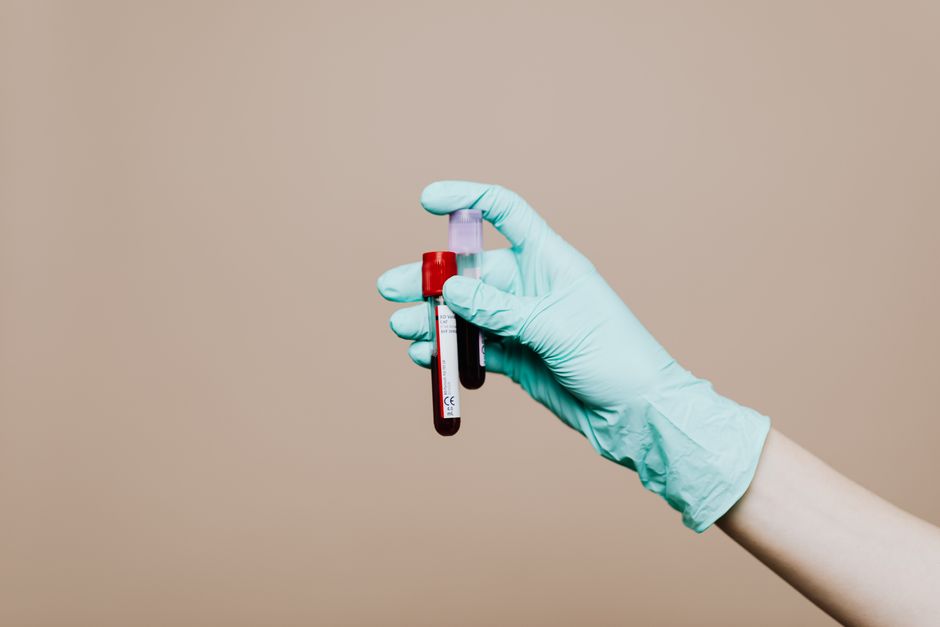
A thyroid function blood test measures how well your thyroid gland is working by checking the levels of certain hormones and proteins in your blood. The thyroid is a small, butterfly-shaped gland at the front of your neck. It makes hormones that control how fast or slow your body uses energy. When those hormone levels are too high or too low, a blood test is the most reliable way to find out.
What Is The Blood Test For Thyroid Function?
A thyroid function test is a group of blood measurements that show whether your thyroid is producing the right amount of hormones. The test usually includes thyroid-stimulating hormone (TSH), free T4, and sometimes free T3 or thyroid antibodies.
TSH is made by the pituitary gland in your brain. It acts like a thermostat for your thyroid. When thyroid hormone levels drop, the pituitary releases more TSH to push the thyroid to work harder. When thyroid hormone levels rise, the pituitary releases less TSH.
That relationship is why TSH is often the first test a doctor orders. A high TSH usually means the thyroid is underactive. A low TSH usually means it is overactive. The pattern matters as much as the individual number.
Free T4 measures the amount of thyroxine that is not attached to carrier proteins in your blood. Only the free portion can enter cells and do work. Free T3 does the same for triiodothyronine, the more active form of thyroid hormone. Most T3 in your body is converted from T4 in your tissues, not made directly by the thyroid.
What Do TSH, T4, and T3 Actually Measure?
Each part of the panel tells you something different about how the thyroid system is functioning. No single number gives the full picture.
TSH reflects what the pituitary thinks the body needs. It is the most sensitive marker for detecting thyroid problems in most people. Small changes in thyroid hormone levels cause large changes in TSH.
Free T4 shows how much usable thyroxine is circulating. It helps confirm whether an abnormal TSH is actually caused by a thyroid problem or by something affecting the pituitary.
Free T3 is not always included. It is most useful when a doctor suspects an overactive thyroid or a rare condition where T4-to-T3 conversion is impaired.
Thyroid antibodies are proteins your immune system makes that target your own thyroid tissue. They are checked when autoimmune thyroid disease is suspected. The two main types are thyroid peroxidase antibodies and thyroglobulin antibodies. Their presence suggests an autoimmune process but does not by itself predict how severe the disease will become.
When Is a Thyroid Blood Test Ordered?
Doctors order thyroid tests for a range of reasons. Symptoms are the most common trigger, but screening and medication monitoring also play a role.
Symptoms that often lead to testing include:
- Unexplained weight gain or weight loss
- Fatigue that does not improve with rest
- Feeling unusually cold or hot compared to others
- Hair thinning or dry skin
- Anxiety, irritability, or low mood
- Heart palpitations or a racing pulse
- Changes in menstrual cycles
- Neck swelling or a visible lump near the thyroid
Doctors also order thyroid tests to monitor people already taking thyroid medication, to check for thyroid problems during pregnancy, and to investigate abnormal findings on other blood work. Some organizations recommend routine screening in certain age groups, but guidelines differ on whether widespread screening is worthwhile in people without symptoms. The evidence on universal screening remains mixed.





What Do Abnormal Results Mean?
Abnormal thyroid results fall into recognizable patterns. Each pattern points toward a different underlying issue, though context always matters.
| TSH | Free T4 | Likely Pattern |
|---|---|---|
| High | Low | Overt hypothyroidism (underactive thyroid) |
| High | Normal | Subclinical hypothyroidism |
| Low | High | Overt hyperthyroidism (overactive thyroid) |
| Low | Normal | Subclinical hyperthyroidism |
| Low | Low | Possible pituitary or hypothalamic problem |
Hypothyroidism means the thyroid is not making enough hormone. Common causes include Hashimoto’s disease, an autoimmune condition, and treatment for an overactive thyroid. Symptoms can include fatigue, weight gain, cold intolerance, and constipation.
Hyperthyroidism means the thyroid is making too much hormone. Graves’ disease is a common cause. Symptoms can include weight loss, heat intolerance, rapid heartbeat, and anxiety.
Subclinical means the TSH is abnormal but free T4 is still in the normal range. These cases are often mild. Whether to treat subclinical thyroid disease is debated, and decisions typically depend on symptoms, age, and other health factors. Some clinicians treat, others monitor. The evidence does not point to one clear approach for everyone.
Results can also be thrown off by factors unrelated to the thyroid itself. Severe illness, certain medications, pregnancy, and recent imaging tests that used iodine contrast can all affect thyroid numbers. A single abnormal result is not always a diagnosis.
What Affects Thyroid Test Accuracy?
Several things can shift thyroid test results without any thyroid disease being present. Knowing these helps you and your doctor interpret results correctly.
Medications. Biotin, a common supplement found in hair and nail products, can interfere with many thyroid immunoassays. This is not a minor issue. Biotin can make TSH look falsely low and T4 or T3 look falsely high, or the reverse depending on the test platform. The FDA has issued a safety communication about this. If you take biotin, tell your doctor before testing.
Other drugs that can affect results include estrogen, lithium, amiodarone, and some seizure medications. Steroids and dopamine-related drugs can also change TSH levels.
Pregnancy. Thyroid hormone needs rise during pregnancy, and normal reference ranges are different. Pregnancy-specific ranges should be used. Testing is typically done early in pregnancy because untreated thyroid disease can affect both mother and baby.
Timing and illness. TSH levels vary throughout the day and can drop during acute illness. A test drawn during a hospital stay may not reflect your normal thyroid function.
Reference ranges. Laboratories set their own normal ranges, and these can differ between labs. A result that is borderline at one lab may be normal at another. Always interpret results using the range provided by the lab that ran the test.
How Should You Prepare for a Thyroid Blood Test?
Preparation is simple, but a few steps improve accuracy. Most thyroid tests do not require fasting, but your doctor may ask you to fast if other tests are being done at the same time.
If you take thyroid medication, timing matters. Many clinicians recommend taking your dose after the blood draw rather than before, because a recent dose can temporarily raise free T4 levels. Follow whatever instructions your doctor gives.
Tell your healthcare provider about all supplements and medications you take, especially anything containing biotin. Biotin is often listed on labels as vitamin B7. Many multivitamins, hair growth products, and nail supplements contain it.
If you are having thyroid tests for monitoring rather than diagnosis, try to have blood drawn at a similar time of day each time. This reduces day-to-day variation and makes trends easier to read.
What Happens After Abnormal Results?
An abnormal result is a starting point, not a final answer. Most doctors repeat the test before making a diagnosis, especially if the abnormality is mild.
If hypothyroidism is confirmed, treatment usually involves daily levothyroxine, a synthetic form of T4. Dosing is individualized and adjusted based on follow-up blood tests. Rechecking typically happens several weeks after starting or changing a dose, since TSH takes time to respond.
If hyperthyroidism is confirmed, treatment options include medications that reduce hormone production, radioactive iodine, or surgery. The choice depends on the cause, your age, and other health factors.
If results are borderline or subclinical, your doctor may recommend watchful waiting with repeat testing rather than immediate treatment. This is common and reasonable in many cases, particularly when there are no symptoms.
Thyroid nodules or an enlarged thyroid found during a physical exam may lead to a thyroid ultrasound. Blood tests alone cannot detect nodules or determine whether one is cancerous. That requires imaging and sometimes a biopsy.
Frequently Asked Questions
What is the normal range for thyroid blood tests?
Normal ranges vary by laboratory, but TSH is commonly considered normal between roughly 0.4 and 4.0 milli-international units per liter. Free T4 and free T3 ranges also differ by lab, so always use the reference range printed on your own report.
Do I need to fast for a thyroid blood test?
Fasting is not usually required for thyroid tests alone. If your doctor is also checking glucose, cholesterol, or other tests that require fasting, you may need to skip food for several hours beforehand.
Can I take my thyroid medication before the blood test?
Many clinicians recommend taking your dose after the blood draw, because a recent dose can briefly raise free T4 levels. Follow your doctor’s specific instructions, since practices vary.
How often should thyroid function be checked?
Frequency depends on why you are being tested. People on thyroid medication are often checked several weeks after a dose change and then less often once levels are stable. There is no single schedule that fits everyone.
