
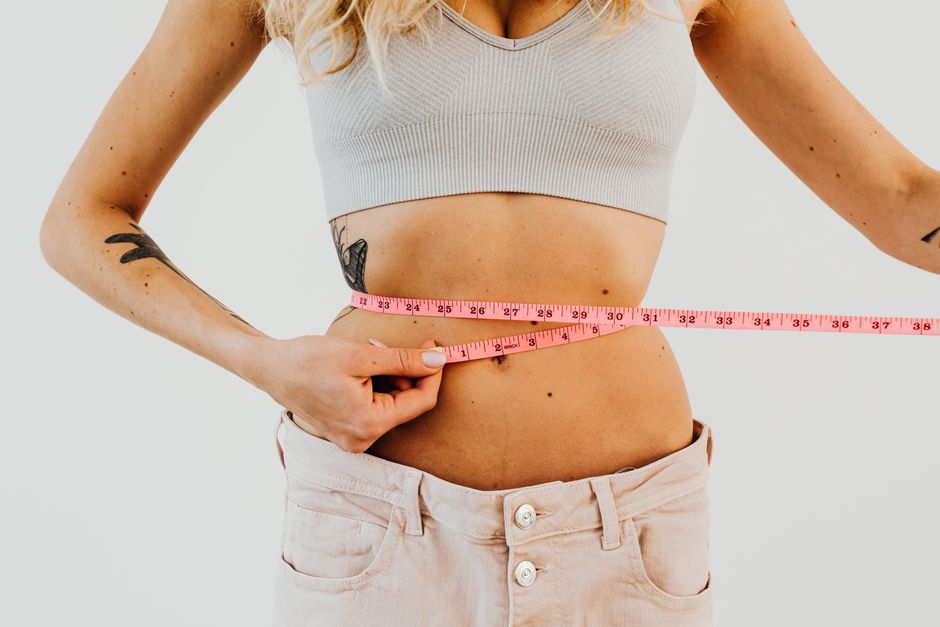
The “ice hack” for weight loss is a popular online trend that suggests cold exposure, especially drinking ice water or applying ice packs, can help you burn more calories and lose weight. The basic idea is that your body must work harder to warm itself up, which supposedly boosts your metabolism enough to cause significant weight loss. While the concept sounds simple, the actual evidence behind it is much less straightforward than many social media posts claim.
What Is the Ice Hack for Weight Loss?
The ice hack goes by several names, including the “cold exposure diet” or “brown fat activation” method. The common version involves drinking several glasses of ice water each day or taking cold showers and baths. Some influencers recommend placing ice packs on specific body areas like the neck, back, or abdomen to stimulate a type of body fat called brown adipose tissue (BAT). The claim is that this extra cold exposure can increase your resting metabolic rate and help you lose weight without changing your diet or exercise.
Does Cold Exposure Really Affect Metabolism?
Cold exposure does have a genuine effect on your metabolism, but the size of that effect matters. Your body burns energy to maintain its core temperature, a process called thermogenesis. When you are cold, your body activates brown fat, which burns calories to generate heat. Research has shown that people with more active brown fat tend to have lower body weight and better blood sugar control. However, the amount of extra energy burned from drinking ice water alone is very small. One cup of ice water might burn about eight to ten additional calories as your body warms it to body temperature. To lose one pound of body fat, you would need to burn about 3,500 calories. That means you would need to drink hundreds of glasses of ice water each day to see a measurable effect. That is not realistic or safe.
What Is Brown Fat and How Does It Work?
Brown fat is a type of fat tissue that generates heat by burning stored energy. Unlike white fat, which stores energy, brown fat is dense with mitochondria and works like a furnace. Infants have a lot of brown fat to keep them warm. Adults have smaller amounts, typically around the neck, collarbone, and along the spine. Cold exposure can increase brown fat activity, and some studies have found that spending time in cool environments (around 60–65°F) over several weeks may increase the amount of brown fat a person has. But these studies involved prolonged mild cold exposure, not brief contact with an ice pack or a cold drink. The effect of short-term cold water or ice packs on brown fat remains uncertain for most people.





What Does the Science Say About the Ice Hack for Weight Loss?
The science on cold-induced weight loss is real but limited. Research published in reputable journals has shown that cold exposure increases energy expenditure. For example, a study in the Journal of Clinical Investigation found that people exposed to a cool room for several hours burned extra calories. Another study in Diabetes showed that repeated cold exposure improved insulin sensitivity. But these findings do not translate into a simple ice hack for weight loss. The amount of cold exposure needed to produce meaningful weight loss is hours per day, not minutes. No large human trial has shown that drinking ice water or applying ice packs leads to significant, sustained weight loss. The clinical evidence is weak for this specific trend.
Are There Any Risks With the Ice Hack?
Most healthy adults can drink ice water without harm, but there are risks. Applying ice packs directly to bare skin for too long can cause frostbite or nerve damage. You should always wrap ice packs in a cloth and limit application to 15 to 20 minutes at a time. Taking very cold baths or showers can cause a dangerous drop in body temperature (hypothermia), especially in older adults or people with heart conditions. People with Raynaud’s disease, poor circulation, or cold urticaria (hives from cold) should avoid this practice. There is also a risk of overhydration if you force yourself to drink large amounts of water to follow the hack. Drinking too much water too quickly can lead to hyponatremia, a dangerous low sodium level in the blood. No clinical guidelines recommend the ice hack for weight loss, and it should not replace established methods like a balanced diet and regular exercise.
What Actually Works for Long-Term Weight Management?
If you are looking for reliable weight loss strategies, the evidence strongly supports a few core habits. A diet rich in vegetables, lean protein, whole grains, and healthy fats combined with a moderate calorie deficit leads to gradual weight loss. Regular physical activity, including both aerobic exercise and strength training, helps preserve muscle mass while losing fat. Adequate sleep (7–9 hours per night) and stress management are also important because poor sleep and high stress hormones like cortisol can make weight loss harder. Some people find that tracking their food intake or working with a registered dietitian helps them stay consistent. Crash diets or single-ingredient hacks rarely produce lasting results. The most effective approach is one you can maintain over months and years.
Are There Any Genuine Benefits to Cold Exposure?
Cold exposure is not useless. Some research suggests it may improve alertness, reduce muscle soreness after heavy exercise, and boost mood in some people. Cold showers have been linked to reduced sick days in one small study, though that finding needs more research. But these possible benefits are separate from weight loss. If someone enjoys cold exposure and it makes them feel good, there is no reason to stop. But relying on it as a primary weight loss tool is not supported by the evidence. The ice hack for weight loss is best understood as a low-risk but low-reward strategy, not a shortcut to significant fat loss.
Should You Try the Ice Hack?
If you are a healthy adult and want to experiment with cold water or brief cold exposure, it is generally safe in moderation. But set realistic expectations. You will not lose a noticeable amount of weight from drinking ice water alone. If you have a medical condition or are pregnant, talk to your doctor before trying any cold exposure routine. No high-quality clinical trial has demonstrated that the ice hack produces meaningful weight loss. The time, energy, and effort spent on cold exposure might be better directed toward proven habits like meal planning, walking, or sleep hygiene.
Frequently Asked Questions
How much weight can you lose with the ice hack?
No reliable study shows that the ice hack alone leads to significant weight loss. The extra calories burned from drinking ice water are far too small to cause noticeable fat loss.
Is the ice hack safe for everyone?
Healthy adults can try it in moderation, but people with heart conditions, cold allergies, or circulation problems should avoid it. Always protect your skin from direct ice contact.
Do ice baths work better than drinking ice water?
Ice baths expose more skin area to cold, so they may burn more calories temporarily, but the risk of hypothermia is higher. No evidence shows ice baths produce lasting weight loss.
Can you lose belly fat by putting ice on your stomach?
No. Applying ice to a specific area does not reduce fat in that spot. Spot reduction is a myth. Fat loss happens throughout the body with a consistent calorie deficit.
