
Bronchitis is an infection or irritation of the large airways in your lungs, called the bronchi. The best treatment depends entirely on whether you have acute bronchitis, which is usually caused by a virus and lasts a few weeks, or chronic bronchitis, which is a long-term condition often linked to smoking. For most people with acute bronchitis, the best treatment is rest, fluids, and time—because antibiotics rarely help and the illness typically clears on its own within a few weeks.
What Is The Best Treatment For Bronchitis?
For acute bronchitis, the best treatment is supportive care. That means managing your symptoms while your immune system fights off the virus. There is no medication that cures acute bronchitis directly.
Most cases of acute bronchitis are caused by viruses, the same ones that cause colds and the flu. Antibiotics kill bacteria, not viruses, so they will not help most cases of bronchitis. Taking antibiotics when you do not need them also increases the risk of antibiotic resistance, which makes future bacterial infections harder to treat.
Your doctor may prescribe antibiotics only if they suspect a bacterial infection, such as whooping cough, or if you have a higher risk of complications. Otherwise, the focus is on comfort and recovery.
What Are The Symptoms Of Bronchitis?
The hallmark symptom of bronchitis is a cough that produces mucus. The mucus can be clear, white, yellow, or green. A green or yellow color does not automatically mean you have a bacterial infection—it is a normal part of the immune response.
Other common symptoms include a sore throat, mild headache, body aches, and a low-grade fever. You may also feel tired or have a slight shortness of breath. These symptoms usually peak within the first few days and gradually improve over one to three weeks.
It is common for the cough to linger for up to three weeks after other symptoms have resolved. The airways remain sensitive and inflamed even after the infection clears, so a dry cough can persist for a while. This is normal and does not mean the infection is still active.
How Can You Manage Bronchitis Symptoms At Home?
Several home treatments can help you feel better while your body recovers. None of these cure the infection, but they can reduce discomfort and make it easier to rest.
- Rest: Your body needs energy to fight the infection. Take time off work or school if you can.
- Fluids: Drink plenty of water, warm tea, or broth. Staying hydrated keeps mucus thinner, which makes it easier to cough up.
- Humidified air: Using a cool-mist humidifier or taking a warm shower can loosen mucus and soothe an irritated throat.
- Honey: A spoonful of honey can calm a cough. Research suggests honey is as effective as some over-the-counter cough suppressants for nighttime cough in adults. Do not give honey to children under one year of age due to the risk of infant botulism.
- Over-the-counter pain relievers: Acetaminophen or ibuprofen can reduce fever and ease body aches. Follow the dosing instructions on the label.
Over-the-counter cough medicines are a mixed bag. Cough suppressants like dextromethorphan may help you sleep but will not speed up recovery. Expectorants like guaifenesin are meant to thin mucus, but evidence that they significantly improve outcomes is limited. If you are unsure, ask a pharmacist.





When Do You Need To See A Doctor?
Most cases of acute bronchitis do not require a doctor visit. But certain symptoms warrant medical attention.
See a doctor if you have a fever above 100.4°F (38°C), coughing up blood, shortness of breath, or chest pain. Also seek care if your cough lasts longer than three weeks or if symptoms improve and then suddenly worsen.
People with underlying conditions—such as asthma, COPD, heart disease, or a weakened immune system—should contact a doctor earlier. Bronchitis can be more serious for these individuals, and they may need closer monitoring or additional treatment.
If breathing becomes difficult, you feel dizzy, or your lips or face turn blue, seek emergency medical care immediately. These are signs of a more serious condition.
Do Antibiotics Help With Bronchitis?
For the vast majority of healthy adults with acute bronchitis, antibiotics do not help. Studies have shown that antibiotics do not reduce the duration of the cough or the severity of symptoms in otherwise healthy people with acute bronchitis.
Antibiotics carry their own risks. They can cause side effects like diarrhea, nausea, and allergic reactions. They can also disrupt the natural balance of bacteria in your gut and contribute to antibiotic resistance.
There are exceptions. If your doctor identifies a specific bacterial cause, such as pertussis (whooping cough), antibiotics are important. But this requires a proper diagnosis, not just a green or yellow cough.
Some clinicians prescribe antibiotics for patients with multiple health conditions or older adults who may be at higher risk of complications. This is a judgment call based on individual risk factors, not a standard recommendation for everyone.
What Is Chronic Bronchitis And How Is It Treated Differently?
Chronic bronchitis is a different condition. It is defined as a daily cough with mucus production that lasts for at least three months, two years in a row. It is a form of chronic obstructive pulmonary disease (COPD).
The most common cause of chronic bronchitis is long-term cigarette smoking. Other causes include long-term exposure to dust, chemical fumes, or air pollution.
Treatment for chronic bronchitis focuses on managing the underlying disease, not curing an infection. The single most important step is to stop smoking. No medication or therapy works as well as quitting smoking for slowing the progression of chronic bronchitis.
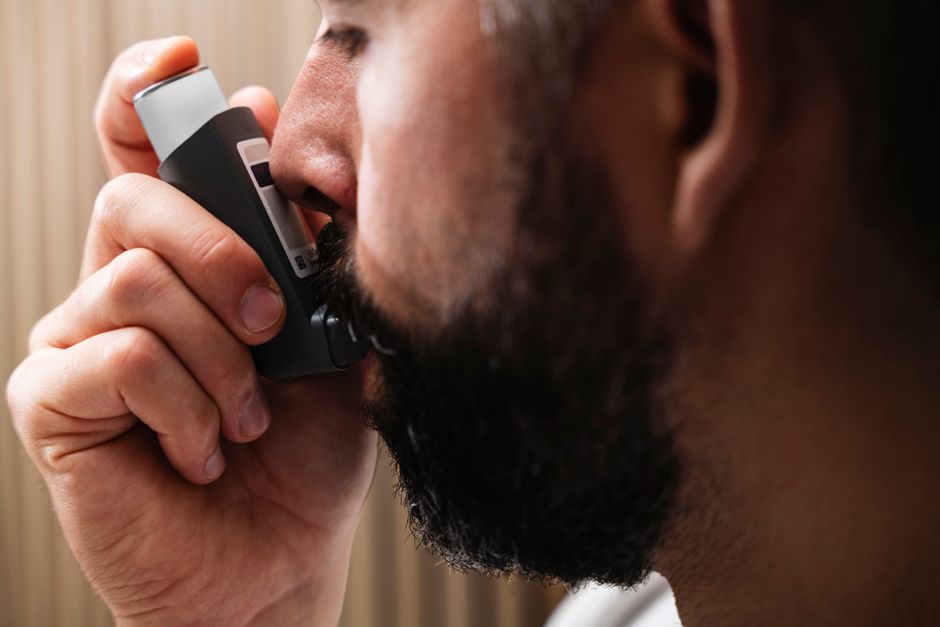
Doctors may prescribe inhaled bronchodilators to help open the airways, inhaled corticosteroids to reduce inflammation, or pulmonary rehabilitation to improve breathing and exercise capacity. These treatments help manage symptoms but do not reverse the damage already done to the lungs.
People with chronic bronchitis also need to be vigilant about respiratory infections. A simple cold can trigger a severe flare-up, so getting the flu vaccine and pneumonia vaccine is often recommended. Talk to your doctor about which vaccines are appropriate for you.
Are There Any Treatments That Do Not Work?
Several popular treatments lack solid evidence. It is important to know what does not work so you do not waste time and money.
Antibiotics for viral bronchitis: As discussed, they do not shorten the illness in most healthy people.
Zinc and vitamin C: These may slightly reduce the duration of a common cold, but there is no good evidence that they help specifically with bronchitis.
Steam inhalation with essential oils: Breathing steam from a bowl of hot water is a common home remedy, but it carries a burn risk and has not been proven to help bronchitis. Some essential oils can irritate the airways further.
Herbal supplements: Products like echinacea or elderberry are often marketed for respiratory infections, but no large human trials have confirmed they treat bronchitis. Some can interact with prescription medications.
If a product promises to “boost immunity” or “clear your lungs quickly,” treat the claim with skepticism. The evidence base for these products is thin.
How Long Does Bronchitis Last?
Acute bronchitis typically lasts one to three weeks. The cough is often the last symptom to go and can linger for up to three weeks or occasionally longer.
If your cough lasts more than three weeks, or if you keep getting bronchitis repeatedly, see a doctor. This could indicate an underlying condition such as asthma, allergies, or chronic bronchitis that needs a different approach.
It is also worth noting that a persistent cough can have non-infectious causes. Post-nasal drip from allergies, acid reflux, or even certain blood pressure medications can cause a chronic cough. A proper evaluation is the only way to know for sure.
Can Bronchitis Be Prevented?
You cannot completely prevent acute bronchitis, but you can reduce your risk. The same viruses that cause colds and flu also cause bronchitis, so the prevention strategies overlap.
Wash your hands frequently with soap and water for at least 20 seconds. Avoid touching your face, especially your eyes, nose, and mouth. Stay away from people who are actively sick, and stay home yourself when you are ill to avoid spreading the virus.
Getting an annual flu shot is a reasonable step. Influenza is a common cause of bronchitis, and the vaccine reduces your risk of getting the flu in the first place.
If you smoke, quitting is the most effective prevention for chronic bronchitis. Smoking damages the cilia—tiny hair-like structures in your airways that sweep mucus and debris out of your lungs. Without functioning cilia, your lungs are more vulnerable to infection and long-term damage.
Frequently Asked Questions
Is bronchitis contagious?
Yes, acute bronchitis is usually contagious because it is caused by the same viruses as the cold and flu. You can spread it through coughing, sneezing, or touching surfaces with the virus on them.
Can bronchitis turn into pneumonia?
It is possible but not common. If the infection spreads deeper into the lungs, it can develop into pneumonia, especially in older adults, smokers, or people with weakened immune systems.
Is it safe to exercise with bronchitis?
Light activity is generally fine if you feel up to it, but intense exercise can strain your breathing and delay recovery. Wait until your fever is gone and your cough is improving before returning to a full workout routine.
Does drinking milk make bronchitis worse?
No. The idea that milk increases mucus production is a myth. Some people find milk makes their saliva feel thicker, but it does not affect the mucus in your lungs or worsen bronchitis.
