
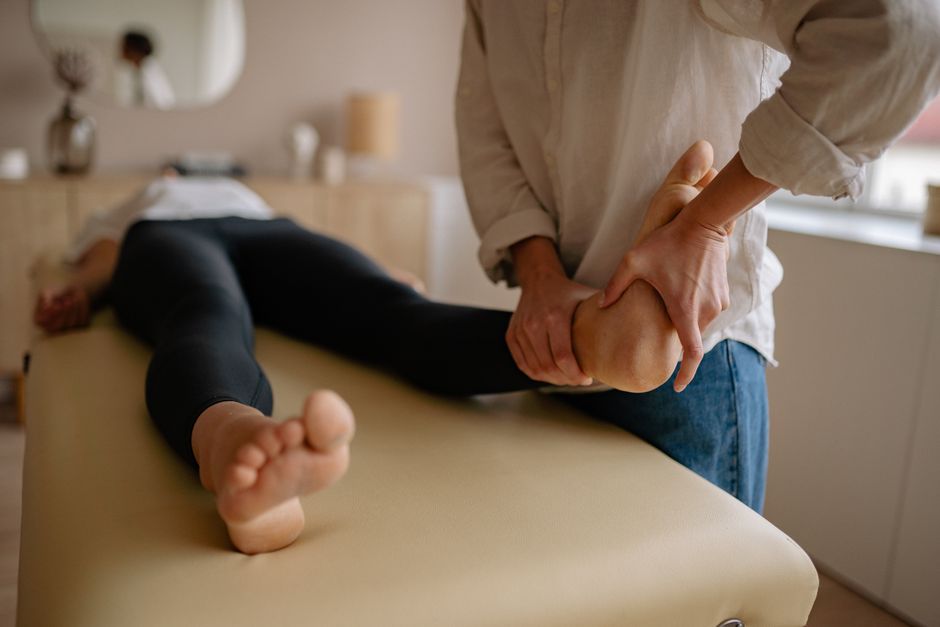
A joint effusion happens when too much fluid builds up inside a joint capsule. This causes swelling, stiffness, and often pain. The most common site is the knee, but any joint can be affected. The excess fluid is usually joint fluid (synovial fluid), but it can also be blood or pus depending on the cause.
What Causes Joint Effusion?
Joint effusion is a sign of an underlying problem. The most common causes include injury, arthritis, and infection.
Injury — A direct blow, twist, or fall can damage the joint and trigger fluid buildup. This is common in sports injuries like a torn ligament or meniscus tear. The body responds by sending extra fluid to protect and stabilize the joint.
Arthritis — Both osteoarthritis and inflammatory arthritis (like rheumatoid arthritis) cause joint effusion. Osteoarthritis wears down cartilage, and the joint produces extra fluid to cushion the bones. Inflammatory arthritis causes the joint lining to become inflamed and secrete excess fluid.
Infection — Septic arthritis is a serious bacterial infection inside the joint. It causes rapid swelling, severe pain, and fever. This is a medical emergency and requires immediate treatment with antibiotics and joint drainage.
Other causes include gout (uric acid crystals), pseudogout (calcium crystals), bursitis, and bleeding disorders. Sometimes the cause is unknown (idiopathic effusion).
What Are the Symptoms of Joint Effusion?
Symptoms depend on the amount of fluid and the underlying cause. Common signs include:
- Swelling around the joint — the area looks puffy or feels tight
- Pain, especially when moving the joint or putting weight on it
- Stiffness, making it hard to fully bend or straighten the joint
- Warmth or redness if inflammation or infection is present
- A feeling of instability — the joint may feel like it might give way
In the knee, you may notice a bulge or feel a squishy sensation when pressing on the kneecap (ballottement). If the effusion is large, your range of motion will be noticeably limited.
How Is Joint Effusion Diagnosed?
A doctor will start with a physical exam. They will look for swelling, warmth, and tenderness, and check your ability to move the joint. The specific tests depend on the joint involved.
Imaging — X-rays can show bone fractures, joint space narrowing from arthritis, or loose fragments. Ultrasound is very good at detecting fluid and can guide needle aspiration. MRI provides detailed images of soft tissues like ligaments and cartilage.
Joint aspiration (arthrocentesis) — A needle is inserted into the joint to remove fluid. This fluid is sent to a lab for analysis. The appearance, cell count, and presence of crystals or bacteria help determine the cause. Aspiration also relieves pressure and pain.
Blood tests may be ordered to check for inflammatory markers (CRP, ESR), uric acid, or signs of infection. The diagnosis is confirmed by identifying the underlying condition.



What Are the Treatment Options for Joint Effusion?
Treatment targets the underlying cause and relieves symptoms. For many cases, conservative care is enough.
RICE protocol — Rest, Ice, Compression, Elevation. This reduces swelling and pain in the first few days after an injury. Ice packs for 15–20 minutes several times a day help. Compression with an elastic bandage and elevating the joint above heart level also help drain fluid.
Medications — Nonsteroidal anti-inflammatory drugs (NSAIDs) like ibuprofen or naproxen reduce pain and inflammation. These are available over-the-counter or by prescription. For inflammatory arthritis, disease-modifying drugs or corticosteroids may be needed.
Joint aspiration — Removing fluid provides rapid relief and can be done in the clinic. It also confirms the diagnosis. After aspiration, a corticosteroid injection may be given to reduce inflammation.
Physical therapy — Strengthening the muscles around the joint improves stability and prevents future effusions. A therapist can teach you exercises and help restore range of motion.
Surgery — If a torn ligament, meniscus, or loose body is causing the effusion, arthroscopic surgery may be needed. For advanced osteoarthritis, joint replacement is an option.
Infection treatment — Septic arthritis requires urgent antibiotics and drainage. This often involves hospitalization and intravenous antibiotics, followed by oral antibiotics for several weeks.
Can Joint Effusion Be Prevented?
Not all causes are preventable, but you can reduce your risk. Managing arthritis with medication, exercise, and weight control lowers the chance of effusion. Protecting your joints during sports — using proper technique, wearing braces, and avoiding overuse — helps prevent injuries that lead to fluid buildup.
If you have gout, avoiding high-purine foods and staying well-hydrated can reduce flare-ups. Treating any infection promptly and thoroughly also lowers the risk of septic arthritis.
There is no guaranteed prevention, but addressing the underlying condition is your best approach.
When Should You See a Doctor for Joint Effusion?
You should see a doctor if the swelling appears suddenly, is very large, or follows an injury. Seek immediate medical care if you have:
- Intense pain that prevents any movement or weight-bearing
- Signs of infection — fever, chills, redness, warmth, or skin that feels hot
- Inability to bend or straighten the joint
- Numbness or tingling below the joint
- A history of bleeding disorders or anticoagulant use
Delaying treatment for an infected joint can lead to permanent damage. Even if infection is not present, a large effusion that persists for more than a few days should be evaluated to find the cause.
What Is a Joint Effusion? (Recap)
Joint effusion is simply abnormal fluid buildup inside a joint capsule. It is a symptom, not a disease itself. The cause can be an injury, arthritis, infection, or crystal disease. Treatment depends entirely on the underlying problem. Simple effusions often respond to rest and anti-inflammatories, while serious cases like septic arthritis require emergency care.
Frequently Asked Questions
Is joint effusion the same as edema?
No. Edema is swelling from fluid in the tissues under the skin, not inside a joint capsule. Joint effusion specifically refers to fluid inside the joint space.
Can joint effusion go away on its own?
Sometimes. Mild effusion from a minor injury or overuse may resolve with rest and ice within a few days to weeks. But if the cause is infection, inflammatory arthritis, or a structural injury, it usually requires treatment.
How long does it take for joint effusion to heal?
Recovery time varies widely. A simple sprain may heal in 1–2 weeks. Arthritis-related effusion may come and go long-term. After joint aspiration or surgery, swelling often subsides within days to a week.
What is the difference between joint effusion and synovitis?
Synovitis is inflammation of the joint lining (synovium). Joint effusion is fluid buildup inside the joint. The two often occur together — the inflammation causes the fluid — but they are not the same thing.
