
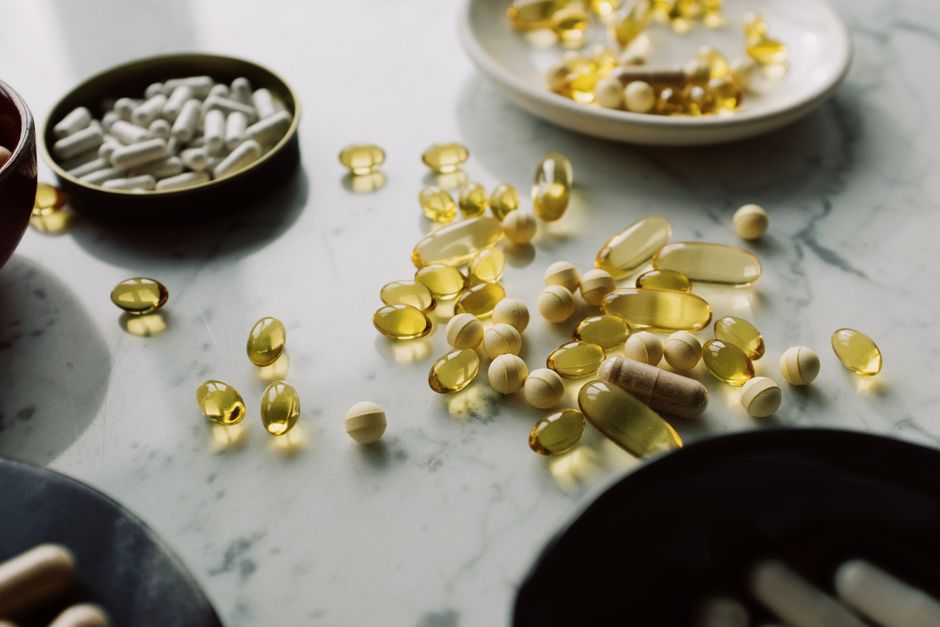
There is no single “best” liver supplement because the liver is a complex organ that handles over 500 functions, and most claims about supplements are overhyped. The most evidence-backed supplement for supporting liver health is milk thistle (specifically its active compound silymarin), but it works best for specific conditions like fatty liver disease, not as a general detox for a healthy liver. The honest answer is that no supplement replaces a healthy diet, limited alcohol, and avoiding unnecessary medications — and many popular “liver cleanses” are a waste of money at best and harmful at worst.
What Does the Research Actually Show About Milk Thistle?
Milk thistle has been studied for decades. The active compound, silymarin, is an antioxidant that may reduce inflammation and help liver cells repair themselves. Research published in the journal World Journal of Hepatology found that silymarin can lower liver enzyme levels in people with non-alcoholic fatty liver disease (NAFLD).
But the effects are modest. A 2020 review of 16 clinical trials showed that milk thistle reduced liver enzymes by about 10-20% on average. That is noticeable but not dramatic. It does not cure liver disease or reverse cirrhosis. It is a support tool, not a treatment.
For people with healthy livers, milk thistle likely does nothing measurable. The liver already detoxifies itself efficiently. Taking milk thistle as a “preventive” has no strong evidence behind it. Some people report feeling better, but that could be placebo — and that is fine if it is safe, but it is not a medical necessity.
What Is the Best Supplement for Your Liver Based on Evidence?
If you have a diagnosed liver condition like NAFLD or mild hepatitis, milk thistle is the most studied option. But it is not the only one. Vitamin E has solid evidence for reducing inflammation in fatty liver disease. The American Association for the Study of Liver Diseases recommends vitamin E (800 IU daily) for non-diabetic adults with biopsy-proven NASH, which is the inflammatory form of fatty liver.
Another supplement with decent evidence is omega-3 fatty acids. A 2018 study in Clinical Gastroenterology and Hepatology found that omega-3s reduced liver fat and improved liver enzyme levels in people with NAFLD. The effect is moderate but consistent across multiple studies.
N-acetylcysteine (NAC) is used in hospitals for acetaminophen overdose because it replenishes glutathione, a key liver antioxidant. For everyday liver health in people without poisoning, the evidence is weaker. Some studies show benefit for certain liver conditions, but it is not a routine recommendation.
Here is a comparison table of the most studied liver supplements:
| Supplement | Best Evidence For | Strength of Evidence |
|---|---|---|
| Milk thistle (silymarin) | NAFLD, mild hepatitis | Moderate — multiple trials, modest effect |
| Vitamin E | NASH (inflammatory fatty liver) | Strong — recommended by medical guidelines |
| Omega-3 fatty acids | NAFLD, high liver fat | Moderate — consistent but small effect |
| N-acetylcysteine (NAC) | Acetaminophen overdose, some liver conditions | Weak for daily use — strong only for acute poisoning |
No supplement on this list is a magic bullet. Each works best when combined with lifestyle changes like weight loss, exercise, and cutting alcohol.
What Liver Supplements Should You Avoid?
Many popular liver supplements have little to no evidence behind them. Turmeric is often marketed for liver health, but the evidence is mixed. Some studies show it reduces inflammation, but others suggest high doses can actually cause liver injury in some people. The National Institutes of Health has documented cases of turmeric supplements causing drug-induced liver injury.
Green tea extract is another risky one. It is a common ingredient in “liver detox” products. But concentrated green tea extract has been linked to liver toxicity in dozens of reported cases. The European Medicines Agency warns against high doses on an empty stomach.
Anything marketed as a “liver cleanse” or “liver detox” is almost certainly a scam. Your liver does not need to be cleansed. It already filters your blood, metabolizes drugs, and removes waste. These products prey on people who feel sluggish or bloated, but they do not target the liver in any meaningful way. Some contain laxatives or diuretics that make you feel like something is happening, but that is dehydration and bowel irritation, not liver detoxification.
Avoid supplements that contain multiple herbs mixed together without clear dosing. These “proprietary blends” hide what is actually inside and increase the risk of contamination or liver strain.

What Causes Liver Damage That Supplements Claim to Fix?
Most liver damage in the US comes from three things: alcohol, obesity, and viral hepatitis. Non-alcoholic fatty liver disease now affects about 25% of adults in the US, according to the CDC. That is the most common cause of elevated liver enzymes.
Alcohol-related liver disease is the second most common. Drinking more than 1-2 drinks per day for women or 2-3 for men over years can cause fatty liver, alcoholic hepatitis, and cirrhosis. No supplement reverses this. Only stopping alcohol does.
Medications are another cause. Acetaminophen (Tylenol) is safe at recommended doses but causes liver damage in overdose. Some prescription drugs like statins, certain antibiotics, and anti-seizure medications can raise liver enzymes. Always talk to your doctor before adding a supplement if you take prescription medications.
Supplements themselves can cause liver damage. The Drug-Induced Liver Injury Network reports that herbal and dietary supplements are responsible for about 20% of liver injury cases in the US. That number is growing as more people use unregulated products.
Some people report feeling better after taking liver supplements, but strong evidence is limited for most products. The feeling of improvement may come from placebo, from reducing alcohol or junk food at the same time, or from mild diuretic effects that make you feel less bloated. None of these mean the supplement is actually improving your liver function.
What Are the Side Effects of Common Liver Supplements?
Milk thistle is generally safe. Side effects are rare and mild — mostly digestive issues like loose stools or nausea. It can interact with some medications, including blood thinners and antipsychotics. Always check with a pharmacist.
Vitamin E at high doses (over 400 IU daily) has been linked to an increased risk of hemorrhagic stroke and prostate cancer in some studies. The dose used for NASH is 800 IU, which is high. Do not take that dose without a doctor’s supervision.
Omega-3s are safe at normal doses but can cause fishy burps, nausea, and mild blood thinning. High doses may increase bleeding risk, especially if you take blood thinners.
NAC can cause nausea, vomiting, and headaches. At high hospital doses, it can cause severe reactions. For daily use at low doses, it is generally well tolerated, but it is not recommended for long-term use without a reason.
- Milk thistle: Digestive upset, possible drug interactions
- Vitamin E (high dose): Increased bleeding risk, stroke risk
- Omega-3s: Fishy burps, mild blood thinning
- NAC: Nausea, vomiting, headache
- Green tea extract: Liver toxicity at high doses
No supplement is completely risk-free. The idea that “natural” means safe is false. The liver processes everything you swallow, including herbs and vitamins. More is not better.
What Practical Steps Actually Support Your Liver?
Before you buy any supplement, do these three things. First, get a blood test. Ask your doctor for a liver panel that checks ALT and AST enzymes. If your levels are normal, you likely do not need a supplement. If they are elevated, find out why before treating it with anything.
Second, cut back on alcohol. The CDC defines moderate drinking as 1 drink per day for women and 2 for men. If you drink more than that, reducing it is the single most effective thing you can do for your liver. No supplement comes close.
Third, lose weight if you are overweight. Even 5-10% weight loss significantly reduces liver fat in people with NAFLD. A 2015 study in Gastroenterology found that 10% weight loss resolved fatty liver in 90% of participants. That is better than any supplement.
If you still want to try a supplement after doing those things, milk thistle or omega-3s are reasonable options. Choose a single-ingredient product from a reputable brand that tests for purity. Avoid blends, proprietary formulas, and anything that promises a “detox.”
The best supplement for your liver is the one you do not need. If your liver is healthy, leave it alone. If it is not healthy, see a doctor and address the root cause. Supplements are a distant second to lifestyle changes.
Frequently Asked Questions
Can I take milk thistle every day?
Yes, milk thistle is safe for daily use at standard doses of 140-420 mg of silymarin. Long-term safety data is limited, so take breaks every few months.
Does milk thistle reverse liver damage?
No, milk thistle does not reverse cirrhosis or severe liver damage. It may help lower elevated liver enzymes in mild fatty liver disease, but it is not a cure.
What is the best liver supplement for fatty liver?
Vitamin E has the strongest medical guidelines for NASH, while milk thistle and omega-3s show moderate benefit for NAFLD. Always consult a doctor first.
Can liver supplements cause side effects?
Yes, all supplements can cause side effects. Green tea extract and high-dose turmeric have been linked to liver injury in some cases. Always start with low doses.
