
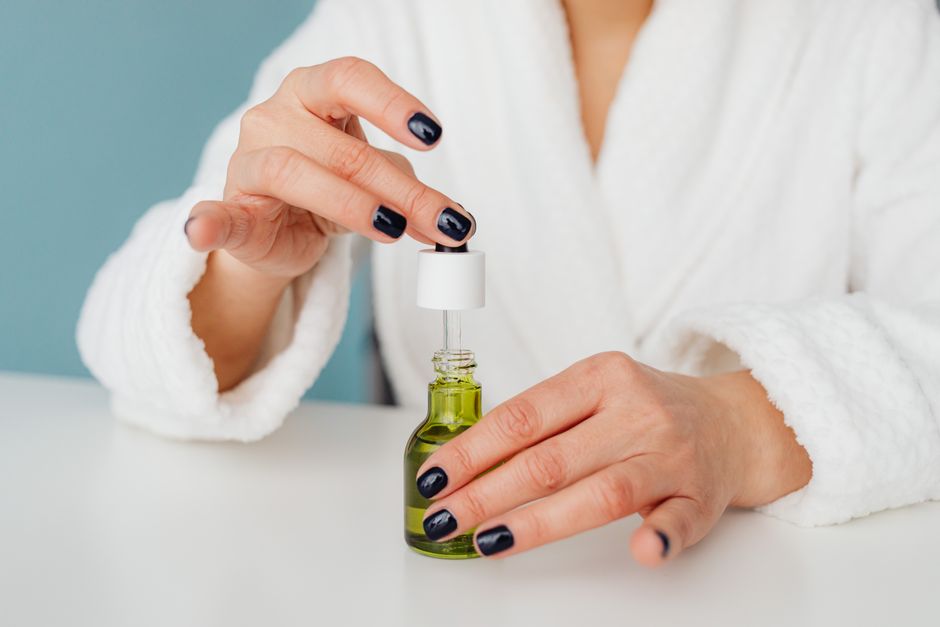
If your skin feels tight after washing and looks dull by midday, you are not imagining it. Dry skin happens when the outer layer loses water faster than it can hold onto it. The best serum for dry skin depends less on the brand name and more on what is inside the bottle. The ingredients that matter most fall into three groups: humectants that pull water in, emollients that soften and smooth, and occlusives that slow water loss. A serum built around these, applied to slightly damp skin and sealed with a moisturizer, does more for dryness than any single fancy product.
What Is The Best Serum For Dry Skin Key Ingredients?
The short answer: humectants, emollients, and occlusives, often in combination. Each does a different job, and dry skin usually needs more than one.
Humectants attract and hold water. Common ones include glycerin, hyaluronic acid, sodium hyaluronate, panthenol, and urea. Glycerin is one of the most studied and reliable. It draws water from the deeper layers of skin and from the air when humidity is high enough.
Emollients fill the gaps between skin cells, making the surface feel soft and smooth. Examples include ceramides, fatty alcohols like cetyl and stearyl alcohol, squalane, and plant oils such as jojoba and sunflower seed oil.
Occlusives form a film that slows water from escaping. Petrolatum, dimethicone, and lanolin are classic occlusives. In a serum, you will more often see lighter versions like dimethicone or squalane.
A serum is a lightweight, fast-absorbing product. It delivers concentrated ingredients but usually lacks the heavier occlusive film of a cream. That is why a serum alone often is not enough for very dry skin. It works best layered under a moisturizer that seals it in.
Why Does Dry Skin Need More Than One Type of Ingredient?
Dry skin is not one problem. It is a breakdown in several systems at once.
Healthy skin has a barrier made of skin cells packed together with fats between them, including ceramides, cholesterol, and fatty acids. This barrier keeps water in and irritants out. When the barrier is weakened, water escapes and the skin feels tight, rough, and sometimes itchy.
Humectants add water. Emollients replace some of the fats that are missing. Occlusives reduce how fast water leaves. Using only a humectant in dry air can actually pull water out of the skin instead of into it, which is one reason a humectant serum alone can backfire in winter or in a dry climate.
This is why the combination matters. Glycerin plus ceramides plus a light occlusive covers all three jobs.
Which Ingredients Have the Strongest Evidence?
Some ingredients have decades of research behind them. Others are popular but less well studied. Here is an honest breakdown.
- Glycerin — long established as an effective humectant. Widely used and well tolerated.
- Ceramides — naturally present in the skin barrier. Research indicates that applying them can help restore barrier function in dry and irritated skin.
- Hyaluronic acid and sodium hyaluronate — hold large amounts of water. Evidence supports their use as humectants, though their effect depends on humidity and how they are formulated.
- Petrolatum — one of the most effective occlusives known. It reduces water loss substantially. It is heavy, so it appears more in creams than serums.
- Panthenol (provitamin B5) — some studies suggest it supports the skin barrier and reduces redness.
- Niacinamide — evidence indicates it can support barrier lipids and reduce water loss over time. It is not a quick fix.
- Squalane — a lightweight emollient that mimics a fat naturally found in skin. Well tolerated, though its role is mainly softening.
Ingredients with weaker or mixed evidence include many plant extracts and “botanical complexes.” They may feel pleasant and some have small supportive studies, but the evidence is not as strong as for glycerin, ceramides, or petrolatum. That does not mean they are useless. It means the marketing often outruns the data.




Does Hyaluronic Acid Actually Work for Dry Skin?
Yes, with a caveat. Hyaluronic acid holds water, and that is well established. The catch is where the water comes from.
In humid conditions, it draws moisture from the air. In dry conditions, it can pull water from deeper skin layers to the surface, where it then evaporates. The result can be skin that feels drier over time, not better.
The practical fix is to apply hyaluronic acid serums to damp skin and follow immediately with a moisturizer that contains an occlusive. This traps the water before it escapes. Applied that way, it is a useful humectant. Applied to dry skin in a dry room with nothing on top, it can disappoint.
This is one of the most misunderstood points in skincare. The ingredient is not the problem. The way it is used often is.
How Should You Apply a Dry Skin Serum?
Order and timing matter as much as the ingredients.
Apply your serum to skin that is still slightly damp after cleansing. This gives humectants water to hold onto. Then seal it with a moisturizer or cream within a minute or two.
A simple routine for dry skin looks like this:
- Cleanse with a gentle, non-foaming cleanser.
- While skin is damp, apply a hydrating serum with glycerin or hyaluronic acid.
- Follow with a moisturizer containing ceramides or another emollient.
- At night, consider a heavier occlusive layer such as petrolatum on very dry areas.
Thicker products go last. If you use multiple serums, apply the thinnest first. Avoid layering strong exfoliating acids with a barrier-repair routine, since they can undo the work you are trying to do.
What Makes Dry Skin Worse?
Some of the biggest culprits are habits, not products.
Hot water strips oils from the skin. Long, hot showers and harsh foaming cleansers weaken the barrier. So does over-exfoliating. Alcohol-based toners and astringents can leave skin tighter and drier.
Environment plays a role too. Cold air holds less moisture, and indoor heating dries it further. This is why many people notice dry skin most in winter.
Some dryness is not a skincare problem at all. Conditions like eczema and psoriasis cause dry, irritated skin that needs medical treatment, not just a better serum. If dryness is severe, persistent, cracking, bleeding, or comes with a rash, see a doctor or dermatologist. A serum will not fix an underlying skin condition.
Age is another factor. Oil production and barrier lipids tend to decline over time, so skin that was once normal can become dry in the 40s and beyond.
Do Expensive Serums Work Better?
Not necessarily. Price often reflects packaging, fragrance, and marketing rather than the active ingredients.
A plain glycerin-based serum can outperform a costly one loaded with botanical extracts and little else. What matters is whether the formula contains effective ingredients at useful levels and whether it suits your skin.
Fragrance is worth flagging. Added fragrance is a common cause of irritation, especially on dry or sensitive skin. Fragrance-free formulas are often the safer choice, though “unscented” can still contain masking fragrance, so check the label.
The best serum is one your skin tolerates and that you will actually use consistently. Consistency matters more than cost.
Frequently Asked Questions
What is the single best ingredient for dry skin?
There is no single best ingredient, but glycerin and ceramides have some of the strongest evidence for supporting dry skin. Glycerin adds water, and ceramides help restore the skin barrier.
Can I use a hyaluronic acid serum on its own for dry skin?
It is better to apply it to damp skin and seal it with a moisturizer. On its own in dry air, it can pull water from your skin and leave it feeling drier.
How often should I apply a dry skin serum?
Most people can apply a hydrating serum twice daily, morning and night. If your skin stings or reacts, reduce how often you use it.
Is dry skin always caused by a weak skin barrier?
No. A weakened barrier is a common cause, but dry skin can also come from cold weather, harsh cleansers, aging, or conditions like eczema that need medical care.
