
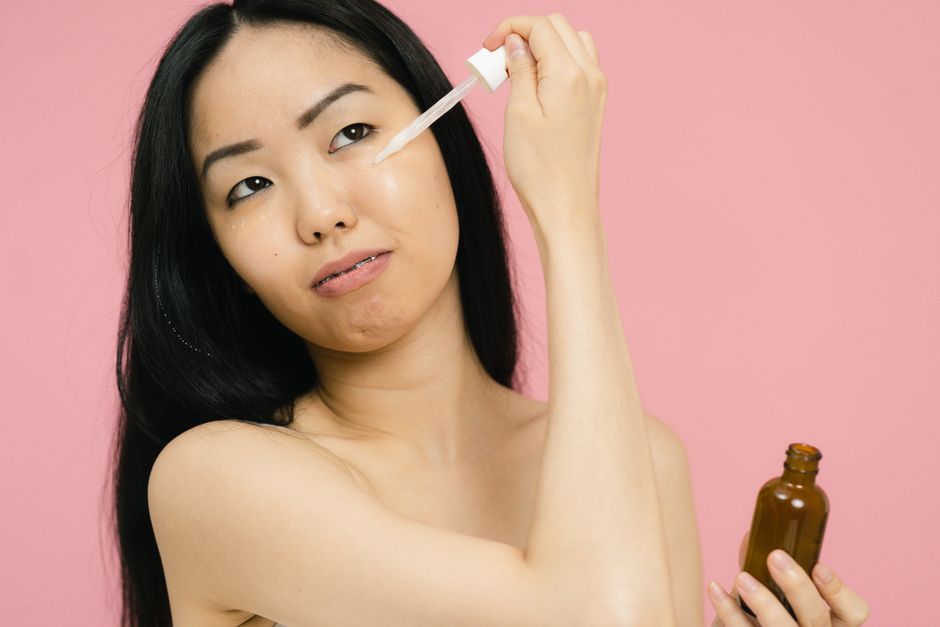
The best Korean skin care is a consistent routine built on gentle cleansing, hydration, and sun protection — not a single miracle product. The core philosophy is prevention over correction, which is why most Korean routines focus on keeping the skin barrier healthy and moisturized rather than treating problems after they appear. A solid routine starts with a gentle cleanser, a hydrating toner or essence, a moisturizer, and sunscreen every morning.
What Makes Korean Skin Care Different?
Korean skin care is less about one hero product and more about a systematic approach. The famous multi-step routine — often 7 to 10 steps — is not a requirement but a framework. Each step serves a purpose: cleansing, hydration, treatment, and protection.
The emphasis on hydration sets Korean skin care apart from many Western routines that focus heavily on active ingredients like retinoids and acids. Korean products often layer lightweight hydrating ingredients such as hyaluronic acid, glycerin, and ceramides. These ingredients support the skin barrier, which is the outermost layer that keeps moisture in and irritants out.
Research supports the importance of a healthy skin barrier. When the barrier is compromised, skin becomes dry, red, and sensitive. Studies have shown that ceramides and other barrier-supporting ingredients can improve skin hydration and reduce sensitivity. Korean skin care prioritizes this science in most product formulations.
Is the 10-Step Routine Necessary?
No. The 10-step routine is a marketing-influenced ideal, not a scientific requirement. Most dermatologists agree that a simplified 4-step routine delivers nearly all the benefits for most people.
Those four steps are:
- Oil-based cleanser to remove sunscreen and makeup
- Water-based cleanser to clean the skin
- Moisturizer to hydrate and support the barrier
- Sunscreen every morning
Double cleansing — using an oil cleanser followed by a water cleanser — is worth doing if you wear sunscreen or makeup. If you do not, a single gentle cleanser in the evening is usually enough. Washing your face more than necessary can strip the skin and cause irritation.
The other steps — essences, serums, sheet masks, eye creams — are optional additions. They can be useful, but they are not essential for healthy skin. If you enjoy them and your skin tolerates them, use them. If not, skip them without guilt.
What Ingredients Actually Matter?
Some ingredients in Korean skin care have strong evidence behind them. Others are mostly marketing. Knowing the difference helps you choose products wisely.
Hyaluronic acid is a humectant that draws water into the outer layer of skin. It is well studied and effective for short-term hydration. Many Korean toners and serums contain it at various molecular weights.
Ceramides are lipids that make up a large portion of the skin barrier. Topical ceramides have been shown in clinical studies to improve skin hydration and reduce water loss. They appear in many Korean moisturizers and barrier creams.
Niacinamide — a form of vitamin B3 — has evidence for improving skin texture, reducing redness, and supporting the barrier. Studies have found it effective at 2% to 5% concentrations. It is one of the most researched ingredients in skin care.
Centella asiatica, also called cica or tiger grass, is a botanical extract common in Korean products. Some studies suggest it has anti-inflammatory properties. The evidence is promising but less robust than for ceramides or niacinamide.
Snail mucin is a popular Korean ingredient. Research is limited, but some small studies suggest it may help with skin regeneration and hydration. The evidence is not strong enough to call it essential.
Ingredients like bee venom, gold, and caviar extract have no meaningful clinical evidence for skin benefits. They are luxury marketing ingredients, not science-backed actives.

What About Sunscreen?
Sunscreen is the single most important step in any skin care routine, Korean or otherwise. UV exposure is the leading cause of premature skin aging. It breaks down collagen, causes hyperpigmentation, and increases skin cancer risk.
Korean sunscreens are known for their lightweight textures and cosmetic elegance. Many use newer UV filters like Uvinul A Plus and Tinosorb S that provide broad-spectrum protection without the white cast common in older formulas. These filters are approved in Korea and Europe but not yet approved by the FDA in the United States.
What matters most is not the brand or country of origin but whether you apply enough and reapply. Most people apply far too little sunscreen. A common guideline is about two milligrams per square centimeter of skin — roughly a shot glass full for the whole body and a nickel-sized amount for the face. You need to reapply every two hours of sun exposure.
How Do You Choose Products for Your Skin Type?
Skin type matters more than brand loyalty. A routine that works for someone with oily skin may break out someone with dry skin.
Oily or acne-prone skin: Look for gel-based moisturizers and lightweight essences. Niacinamide and salicylic acid can help manage oil and breakouts. Avoid heavy creams that can clog pores.
Dry skin: Choose cream-based moisturizers with ceramides and fatty acids. Layering a hydrating toner under your moisturizer can help. Avoid foaming cleansers that strip the skin.
Sensitive skin: Stick to fragrance-free products with minimal ingredients. Centella asiatica and panthenol (vitamin B5) are often well tolerated. Introduce new products one at a time and patch test first.
Combination skin: You may need different products for different areas of your face. A lighter moisturizer for the T-zone and a richer one for the cheeks is a reasonable approach.
What Is the Best Korean Skin Care Brand?
No single brand is objectively the best. The right brand depends on your skin type, budget, and tolerance for fragrance and essential oils.
Some well-regarded Korean brands with strong dermatological backing include:
- Cosrx — known for simple, effective formulas like their snail mucin essence and low-pH cleanser
- Etude House — their SoonJung line is formulated for sensitive skin and is fragrance-free
- Innisfree — popular for green tea-based products that suit oily and combination skin
- Missha — their Time Revolution essence is a cult favorite with fermented ingredients
- Dr. Jart+ — known for ceramide-based barrier creams
These brands have good reputations, but individual products vary. A brand’s best-selling moisturizer might be excellent while their cleanser might be too stripping for your skin. Judge products individually, not by brand name.
Are Korean Skin Care Products Regulated?
Yes, but differently than in the United States. In South Korea, the Ministry of Food and Drug Safety (MFDS) regulates cosmetics. The MFDS has stricter ingredient regulations than the FDA in some areas. For example, many ingredients that require prescription status in the US — like certain hydroquinone concentrations — are more tightly controlled in Korea.
However, buying Korean products in the US means they are subject to FDA regulations once imported. The FDA does not require pre-market approval for cosmetics, but it does require that products are safe and properly labeled. The main risk with imported products is counterfeit goods, especially when buying from third-party sellers online.
Buy from authorized retailers whenever possible. Legitimate Korean brands have official global stores on Amazon and their own websites. If a price seems too good to be true, the product is likely counterfeit.
Do You Need Korean Products Specifically?
No. The principles behind Korean skin care — gentle cleansing, hydration, barrier support, and sun protection — are universal dermatological advice. You can achieve the same results with Western, European, or Japanese products.
What Korean skin care offers is a wider variety of textures and formulations. Many Korean products are designed to layer well and feel comfortable on the skin. Some people find these textures more pleasant than heavier Western creams. That is a cosmetic preference, not a medical advantage.
The best skin care routine is the one you will actually follow consistently. A simple routine with three well-chosen products beats an elaborate routine you abandon after two weeks.
How Long Before You See Results?
Hydration improves within days. A moisturizer with humectants like hyaluronic acid can make skin feel smoother and look plumper almost immediately. These effects are temporary and require continued use.
Barrier repair takes longer. If your skin barrier is compromised — red, tight, and flaky — expect two to four weeks of consistent gentle care before significant improvement. Some studies suggest full barrier recovery can take up to a month or more depending on the damage.
Anti-aging effects, like reduced fine lines, take months. No topical product erases wrinkles. Sunscreen prevents future damage, and moisturizers temporarily plump the skin, but structural changes take time. Be realistic about what skin care can and cannot do.
Frequently Asked Questions
What is the best Korean skin care routine for beginners?
Start with four steps: oil cleanser, water cleanser, moisturizer, and morning sunscreen. Add essences or serums only after your skin adjusts to the basics.
Is Korean skin care better than Western skin care?
No, but it is different. Korean products emphasize hydration and barrier support, while Western products often focus more on active treatments. The best approach uses principles from both.
How many steps should a Korean skin care routine have?
Four steps are enough for most people: double cleanse, moisturize, and protect with sunscreen. The 10-step routine is optional and not supported by evidence as necessary.
Are Korean skin care products safe for sensitive skin?
Many are, but not all. Look for fragrance-free products with minimal ingredients. Patch test any new product on your inner arm for 24 hours before applying it to your face.
