
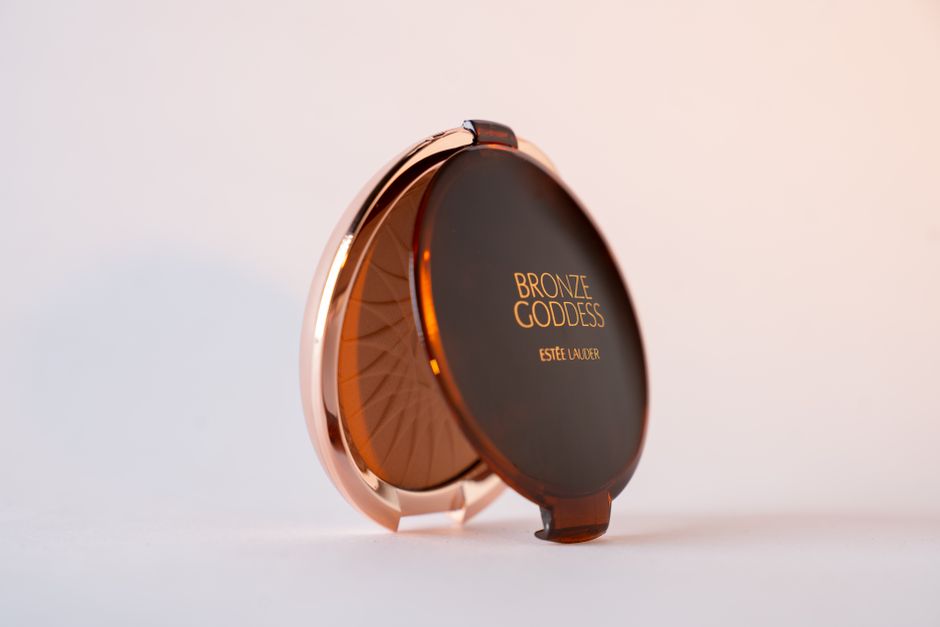
Estée Lauder is a legitimate, research-driven cosmetics company, and several of its products contain ingredients with real evidence behind them. But “good skin care” depends entirely on which product you buy, what your skin actually needs, and how much you are willing to pay for it. The brand makes both solid formulas and expensive ones that do little beyond moisturize.
Here is the honest breakdown of what the science supports, what it does not, and how to tell the difference on a label.
What Kind of Company Is Estée Lauder?
Estée Lauder is one of the largest beauty companies in the world, and it owns far more brands than most people realize. Clinique, La Mer, Origins, MAC, Aveda, Bobbi Brown, and The Ordinary’s parent company Deciem all sit under its corporate umbrella.
That matters for two reasons. First, the parent company runs large research and development operations, and ingredient technology often moves between its brands. Second, a high price tag does not always mean a better formula. Some expensive La Mer products and some affordable The Ordinary serums come from the same corporate family.
The company also invests in published skin research. Estée Lauder scientists have co-authored studies on topics like circadian rhythm in skin and the effects of environmental stress on skin aging. That does not automatically make every product effective, but it does mean the formulas are not built on marketing guesswork alone.
Does Estée Lauder Use Ingredients That Actually Work?
Yes, in many products. The company uses ingredients with established track records, including retinoids, vitamin C, niacinamide, hyaluronic acid, peptides, and broad-spectrum sunscreen filters.
These are not exotic. They are the same categories of ingredients found in dermatologist-recommended products across the price spectrum.
- Retinoids — among the most studied anti-aging ingredients. They can reduce fine lines and improve skin texture over months of consistent use.
- Vitamin C — an antioxidant with evidence for brightening uneven tone and supporting collagen. It is unstable, so formulation and packaging matter.
- Niacinamide — supports the skin barrier and can help with redness and uneven tone.
- Hyaluronic acid — holds water and can temporarily plump the skin. Effects are real but short-lived.
- Sunscreen filters — the single most evidence-backed step for preventing visible aging.
Where the brand gets into trouble is with proprietary complexes and “ferment” ingredients that carry grand claims and thin evidence. Advanced Night Repair, for example, is one of the company’s best-selling serums. Its marketing leans on repair and renewal language. The ingredient list includes antioxidants and a peptide, but the dramatic claims about reversing damage are not backed by large independent trials.
Is Estée Lauder Worth the Price?
Not always, and the honest answer is that price and performance are only loosely connected in skin care. You are often paying for texture, fragrance, packaging, brand name, and the experience of using the product — not for a better clinical result.
A few things drive the cost up:
- Luxury packaging and glass bottles
- Elegant textures and scent
- Heavy marketing and department store counters
- Proprietary ingredient names that sound more impressive than they are
None of those things change how well a retinoid or a sunscreen works. A well-formulated vitamin C serum from a drugstore brand can deliver the same active ingredient as a serum costing five times more.
That does not mean expensive products are worthless. Some people genuinely prefer the feel of a luxury cream, and if that means they use it every day, that consistency has value. The mistake is assuming a higher price guarantees a better outcome.




What Should You Look For on an Estée Lauder Label?
Ignore the front of the package and read the ingredient list. The first five to ten ingredients tell you most of what you need to know.
Look for the active ingredient by its real name. Retinol, retinyl palmitate, ascorbic acid, sodium ascorbyl phosphate, niacinamide, and specific sunscreen filters are all things you can verify. If the label only lists a trademarked complex with no explanation of what is inside, treat the claims with caution.
Also check where the ingredient sits in the list. Ingredients are listed in order of concentration, with the highest first. If a “hero” ingredient appears near the bottom, after fragrance and preservatives, there may be very little of it in the formula.
Fragrance is worth a mention. Many Estée Lauder products contain added fragrance, which can irritate sensitive or reactive skin. Fragrance-free is not the same as unscented, and if your skin is easily irritated, that distinction matters.
How Does Estée Lauder Compare to Other Options?
It competes in the premium tier rather than the budget or clinical-dermatology tier. That is a positioning choice, not a quality verdict.
| Tier | Typical Price Range | What You Get |
|---|---|---|
| Drugstore | Low | Basic actives, simpler textures, fewer luxury ingredients |
| Estée Lauder and similar premium brands | Mid to high | Refined textures, fragrance, established actives, strong marketing |
| Dermatologist and clinical brands | Mid to high | Fewer extras, higher active concentrations, less fragrance |
If your goal is a specific result — fading dark spots, softening fine lines, controlling acne — a clinical brand or a plain drugstore active may serve you better for less money. If your goal is a pleasant daily routine you will actually stick with, a premium product can be a reasonable choice.
What Does the Evidence Actually Show?
The evidence supports specific ingredients, not brands. Retinoids, vitamin C, niacinamide, and sunscreen have decades of research behind them. The company that puts them in a bottle matters far less than whether the product contains enough of them and whether you use it consistently.
There is no large body of independent research showing that Estée Lauder products outperform cheaper alternatives with the same active ingredients. Some individual products have been tested by the company, but independent head-to-head trials against competitors are rare across the entire cosmetics industry, not just for this brand.
One clarification worth making: “clinically tested” on a label usually means the company ran its own study, often measuring things like hydration or the appearance of wrinkles as judged by trained graders. That is not the same as a large independent trial proving a long-term benefit.
So the fair summary is this. Estée Lauder makes real skin care with real ingredients. It also sells a lot of products whose results depend mostly on how well you tolerate them and how consistently you use them. The brand is not the variable that determines your outcome. The ingredient and your routine are.
Frequently Asked Questions
Is Estée Lauder good skin care?
It is a legitimate brand with well-formulated products that contain proven ingredients like retinoids and vitamin C. Whether a specific product is “good” depends on your skin type and whether the active ingredient suits your concern.
Is Estée Lauder worth the money?
Sometimes, but price does not guarantee better results. You are often paying for texture, fragrance, and packaging rather than a superior clinical outcome.
Is Estée Lauder good for sensitive skin?
Some products may irritate sensitive skin because many contain added fragrance. If your skin reacts easily, check the ingredient list and look for fragrance-free options.
Can Estée Lauder products reverse aging?
No skin care product reverses aging. Retinoids and sunscreen can reduce the appearance of fine lines and slow visible signs of aging over time, but they do not undo existing damage.
