
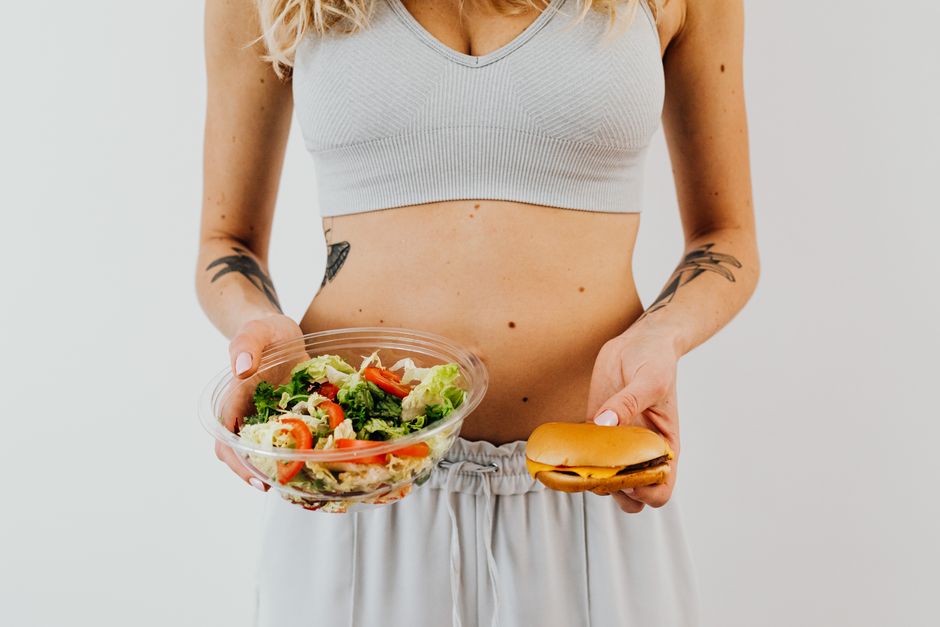
Dysbiosis means the balance of bacteria in your gut has shifted. The beneficial microbes that support digestion and immunity are outnumbered by less helpful ones. The best diet for dysbiosis is one that feeds the good bacteria while limiting the foods that feed the harmful ones. That means a diet high in fiber from whole plant foods, fermented foods, and minimal ultra-processed foods and added sugars. This approach does not cure every gut condition, but it is the most evidence-supported nutritional strategy for restoring a healthier microbial balance.
What Is Dysbiosis and How Does Diet Affect It?
Your large intestine houses trillions of microorganisms. These bacteria, fungi, and viruses play roles in digestion, vitamin production, and immune function. A healthy gut has diverse microbial communities that work together.
Dysbiosis occurs when that diversity drops or when certain species overgrow. This can happen after antibiotic use, during chronic stress, from poor sleep, or from a diet low in fiber and high in processed foods. The gut lining can become more permeable, and inflammation may increase.
Diet directly shapes which bacteria thrive. Bacteria eat what you eat. When you consume fiber, gut bacteria ferment it into short-chain fatty acids like butyrate. These compounds feed colon cells, reduce inflammation, and help maintain the gut barrier. When you eat mostly refined carbohydrates and sugars, bacteria that prefer those fuels multiply faster than the fiber-fermenting species.
Research consistently shows that dietary patterns are among the strongest modifiable factors influencing gut microbial composition. This is not a fringe idea. Major medical institutions study the gut microbiome extensively, and the connection between diet and microbial health is well established.
What Is The Best Diet For Dysbiosis?
The Mediterranean diet has the strongest evidence base for gut health. Studies have found that people following a Mediterranean-style eating pattern show greater microbial diversity and higher levels of beneficial bacteria. This diet is rich in vegetables, fruits, legumes, whole grains, nuts, olive oil, and fish. It is low in red meat, processed meat, and refined sweets.
Plant-based diets also show strong benefits. Vegetarian and vegan patterns consistently produce higher fiber intake, which supports butyrate-producing bacteria. You do not need to become vegan to improve dysbiosis, but increasing plant foods appears central to any gut-supportive diet.
A key principle applies across all of these diets: fiber variety matters. Different bacteria prefer different fiber types. Eating many different plant foods supports more microbial species than eating the same few foods daily. Some research suggests that people who eat 30 or more different plant foods per week have greater gut diversity than those who eat fewer. This number is not a strict clinical guideline, but it reflects the broader principle that variety supports diversity.
No single “dysbiosis diet” has been officially defined by clinical guidelines. Instead, the evidence points to dietary patterns that are high in fiber, rich in plant diversity, and low in processed foods.
Foods That Support a Healthy Microbiome
Certain foods have specific microbial benefits. Here is what the evidence supports:
- Fermented foods — Yogurt, kefir, sauerkraut, kimchi, and kombucha contain live microorganisms. Some research published in the journal Cell found that fermented foods increased microbial diversity and reduced inflammatory markers in participants over a 10-week period. These foods introduce beneficial strains, though they do not permanently colonize the gut for most people.
- Prebiotic foods — Garlic, onions, leeks, asparagus, bananas, and oats contain inulin and other fibers that feed beneficial bacteria. These are not supplements. Whole food sources provide these fibers alongside other nutrients.
- Legumes — Beans, lentils, and chickpeas are dense in resistant starch and fiber. They are staples in the Mediterranean diet and consistently linked to better gut health.
- Whole grains — Oats, barley, brown rice, and quinoa provide fiber and resistant starch. Barley and oats contain beta-glucan, a fiber that supports beneficial bacteria.
- Polyphenol-rich foods — Berries, dark chocolate, green tea, and olive oil contain polyphenols. These plant compounds are metabolized by gut bacteria and produce beneficial byproducts.
These foods work together. A single serving of yogurt will not fix dysbiosis. A pattern of eating these foods consistently over weeks and months is what shifts the microbial balance.



Foods That Worsen Dysbiosis
Just as some foods feed beneficial bacteria, others promote the growth of less helpful species. The clearest offenders are:
- Ultra-processed foods — Chips, packaged snacks, sugary cereals, and fast food are typically low in fiber and high in refined carbohydrates, unhealthy fats, and additives. Observational studies link high intake of these foods with lower microbial diversity.
- Added sugars — High sugar intake feeds bacteria that thrive on simple carbohydrates. Some research suggests that excess sugar promotes inflammation and reduces beneficial microbial populations, though human trials are limited.
- Artificial sweeteners — Some studies indicate that certain non-caloric sweeteners may alter gut bacteria in animals and some humans. The evidence is mixed, and effects appear to vary by individual. No large human trials have confirmed consistent harm.
- Emulsifiers — Some research in mice suggests that common food emulsifiers like carboxymethylcellulose and polysorbate 80 may disrupt the gut lining and alter bacteria. Human evidence remains limited.
- Excess alcohol — Heavy drinking is associated with gut microbial changes and increased intestinal permeability. Moderate intake appears less problematic, but heavy use is clearly linked to dysbiosis.
You do not need to eliminate all of these foods permanently. The goal is to reduce them enough that fiber-rich foods become the dominant fuel source for your gut bacteria.
Probiotics and Prebiotic Supplements for Dysbiosis
Probiotic supplements are widely marketed for gut health. The evidence for their use in dysbiosis is more limited than many people assume. Some probiotic strains show benefit for specific conditions like antibiotic-associated diarrhea or irritable bowel syndrome. For general dysbiosis without a diagnosed condition, the evidence is less clear.
No clinical guidelines currently recommend a specific probiotic strain, dose, or duration for dysbiosis. Different products contain different strains, and effects appear strain-specific. A probiotic that helps one person may do nothing for another.
Prebiotic supplements like inulin or fructooligosaccharides are also available. Some research shows they can increase beneficial bacteria, particularly Bifidobacterium. However, they can cause gas and bloating, especially when started at high doses or when gut inflammation is present.
Food sources are generally preferable to supplements for most people. Whole foods provide fiber alongside vitamins, minerals, and phytochemicals that work together. Supplements can be useful in specific situations, but they are not a substitute for dietary change.
How Long Does Diet Take to Change the Gut Microbiome?
Gut bacteria respond quickly to dietary changes. Some research shows that microbial composition can shift within days of changing what you eat. However, these early changes are often temporary. If you return to your old diet, your bacteria will likely return to their previous state.
Longer-term changes take more time. Studies suggest that sustained dietary patterns over weeks to months produce more stable shifts in the microbiome. The diversity improvements seen with Mediterranean or plant-based diets likely require consistent adherence.
This means the “best diet for dysbiosis” is not a temporary fix. It is a pattern you maintain. The gut microbiome is dynamic, and it reflects your ongoing dietary intake.
What to Expect When Changing Your Diet for Dysbiosis
When you increase fiber intake suddenly, you may experience gas, bloating, and changes in bowel habits. This is common. The bacteria in your gut are adapting to new fuel sources. These symptoms usually improve within a few weeks.
To minimize discomfort, increase fiber gradually. Add one serving of high-fiber food every few days rather than overhauling your diet overnight. Drink plenty of water, as fiber needs fluid to move through the digestive tract.
If symptoms are severe or persistent, see a healthcare provider. Significant bloating, diarrhea, or abdominal pain may indicate an underlying condition that needs evaluation, such as small intestinal bacterial overgrowth (SIBO) or a food intolerance.
No single diet works for everyone. Some people with irritable bowel syndrome find that high-fiber foods worsen their symptoms. In these cases, a low-FODMAP diet under professional guidance may be more appropriate. This diet temporarily restricts fermentable carbohydrates and is not meant for long-term use.
Frequently Asked Questions
Can dysbiosis be reversed with diet alone?
Diet can significantly improve microbial balance in most people, but it may not fully reverse dysbiosis if underlying causes like repeated antibiotic use or chronic illness are present. Combining dietary changes with addressing the root cause gives the best chance of improvement.
How long does it take for gut bacteria to change?
Some microbial shifts occur within days of changing your diet, but stable changes take weeks to months of consistent eating. The microbiome reflects your ongoing dietary pattern, so lasting change requires sustained adherence.
Are probiotics necessary for dysbiosis?
No clinical guidelines currently recommend a specific probiotic for dysbiosis, and evidence for general use is limited. Fermented foods and fiber-rich plant foods are more reliably supported by research than probiotic supplements.
What foods should I avoid with dysbiosis?
Ultra-processed foods, added sugars, and heavy alcohol intake are most consistently linked to worse microbial health. Reducing these while increasing fiber-rich plant foods is the most evidence-supported approach.
