
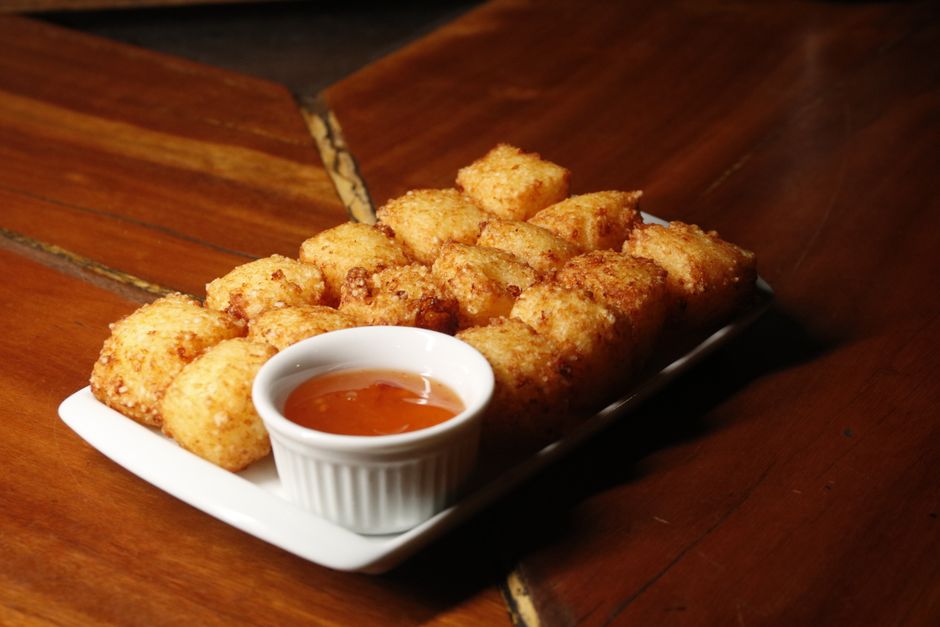
Tapioca comes from the root of the cassava plant, a shrub grown in tropical regions of South America, Africa, and Asia. The starchy pulp inside that root is washed, dried, and processed into pearls, flakes, or flour. That is the whole story: cassava root plus water, and heat during processing. Nothing else is required to make it.
What surprises many people is that raw cassava is not safe to eat. The root contains compounds that release cyanide, and traditional processing methods exist specifically to remove them. Understanding that step explains a lot about why tapioca looks and behaves the way it does.
What Is Tapioca Made Of?
Tapioca is made from cassava starch, also called tapioca starch or tapioca flour. The cassava root is peeled, grated, and squeezed to release a milky liquid. The starch settles out of that liquid, gets washed several times, then dried into a powder. That powder is the base ingredient for every tapioca product on a grocery shelf.
Cassava itself is a major food crop. It feeds hundreds of millions of people in tropical regions and ranks among the most important sources of calories in parts of Africa and South America. The starch extracted from it is nearly pure carbohydrate.
There is an important distinction between two products that get confused constantly. Cassava flour is made by grinding the whole dried root, so it keeps some fiber and other nutrients. Tapioca starch is made from just the extracted starch, so it is almost entirely carbohydrate with very little else. They are not interchangeable in recipes.
How Is Tapioca Processed From Cassava Root?
Processing starts with a safety step, not a culinary one. Cassava contains cyanogenic glycosides, compounds that release hydrogen cyanide when the plant tissue is damaged. Bitter cassava varieties contain much more of these compounds than sweet varieties.
Traditional methods handle this in different ways depending on the region. Common steps include peeling, soaking, grating, pressing, fermenting, and cooking. Each step reduces the cyanide content. The soaking and drying steps matter most, because the compounds dissolve in water and break down with heat. Cassava that has been properly processed is a staple food across large parts of the world.
For commercial tapioca starch, the process is more controlled. The root is washed, milled, and the starch is separated from the fiber and protein. The starch slurry is refined repeatedly, then dried. What comes out is a fine white powder with a neutral taste and no residual cyanide concern, because the water-based extraction removes the soluble compounds.
This is worth stating plainly: the tapioca you buy in a store has gone through industrial processing designed to remove those compounds. The safety concern applies to improperly prepared raw cassava, not to commercial tapioca starch.
What Is Tapioca Starch Used For?
Tapioca starch has one property that makes it useful in a lot of places: it thickens when heated and gives a clear, glossy result. Cornstarch thickens too, but it turns opaque and can break down under long cooking or freezing. Tapioca holds up better in those conditions.
Common uses include:
- Thickening agent for pies, soups, and sauces, especially frozen foods where cornstarch tends to weep liquid
- Gluten-free baking, often blended with other flours because tapioca alone produces a gummy texture
- Tapioca pearls, the chewy spheres in bubble tea and some desserts
- Puddings and fillings, where the starch sets into a gel as it cools
- Industrial uses, including adhesives and textile processing
Tapioca pearls are made by mixing starch with water, heating it partially, then shaping and drying the pieces. When boiled, the starch granules absorb water and swell, which creates that distinctive chew. The pearls themselves are mostly starch and water. The sweetness in bubble tea comes from the syrup they sit in, not from the pearls.




Is Tapioca Gluten-Free?
Tapioca is naturally gluten-free. Cassava is not a wheat, barley, or rye plant, so its starch contains none of the proteins that trigger celiac disease or gluten sensitivity. This is one reason tapioca flour shows up so often in gluten-free products.
But gluten-free does not automatically mean the finished product is safe for someone with celiac disease. Cross-contamination during manufacturing is a real concern. A product labeled gluten-free has met a regulatory standard for gluten content, while a product that simply contains tapioca may not have been tested. For anyone managing celiac disease, the label matters more than the ingredient.
There is also a texture issue worth knowing. Tapioca starch has no gluten to provide structure, so baked goods made with it alone tend to be dense and chewy. Most gluten-free blends combine tapioca with rice flour, potato starch, or other flours to balance the result.
Is Tapioca Nutritious?
Tapioca starch is a source of calories and very little else. It is almost pure carbohydrate, with minimal protein, fat, fiber, vitamins, or minerals. That is not a flaw in the product. It is simply what refined starch is.
Cassava root itself contains some vitamin C and small amounts of other nutrients, but most of that is lost or removed during starch extraction. The whole-root flour retains more than the isolated starch does. Neither is a significant source of protein.
Because tapioca starch digests quickly and has little fiber to slow it down, it can raise blood sugar relatively fast. For most people eating it as part of a mixed meal, this is not a major issue. For someone managing diabetes, it is worth understanding that tapioca is a concentrated starch, similar in that respect to white rice or cornstarch. The evidence on how specific starches affect blood sugar is well established in general terms, but individual responses vary, and anyone adjusting their diet for a medical condition should work with their clinician rather than relying on general rules.
One practical note: tapioca starch is not a nutritional substitute for whole grains or legumes. It adds texture and calories, not meaningful nutrient density.
What Is the Difference Between Tapioca and Cassava?
Cassava is the plant and the root. Tapioca is a product made from that root. In everyday use the words get swapped, but they refer to different things.
The table below lays out the main differences between the whole-root product and the extracted starch.
| Product | What It Is | Fiber | Typical Use |
|---|---|---|---|
| Cassava flour | Whole dried root, ground | Retains some | Baking, tortillas, flatbreads |
| Tapioca starch | Starch extracted from root | Almost none | Thickening, gluten-free blends, pearls |
Cassava flour behaves more like a traditional flour because it contains fiber and other root components. Tapioca starch behaves like a pure thickener. Swapping one for the other in a recipe usually changes the outcome noticeably.
Does Tapioca Contain Cyanide?
Raw cassava does contain compounds that produce cyanide, and this is a documented food safety issue in regions where cassava is a staple. It is also the reason traditional preparation methods involve soaking, pressing, and cooking rather than simply peeling and eating the root.
Commercial tapioca starch does not carry this concern. The extraction process uses large amounts of water, and the cyanide-producing compounds are water-soluble. They are removed along with the fiber and other materials during refining. Regulatory systems in countries that import cassava products also set limits on residual cyanide content.
The risk sits with improperly processed cassava, not with the tapioca pearls in your drink or the starch in your pantry. This distinction matters because it is easy to find alarming claims online that conflate the raw root with the finished product.
Frequently Asked Questions
Is tapioca made from potatoes?
No. Tapioca is made from cassava root, which is a completely different plant from the potato. The confusion likely comes from the fact that both crops grow underground and both produce starch used in similar ways.
Is tapioca flour the same as tapioca starch?
In US grocery labeling, the two names are generally used for the same product. Cassava flour is a different product made from the whole ground root and is not a direct substitute in recipes.
Can you eat tapioca on a gluten-free diet?
Yes, tapioca is naturally gluten-free. Check the label for a gluten-free certification if you have celiac disease, since cross-contamination during manufacturing is possible.
Does tapioca have any nutritional value?
It provides calories from carbohydrate but very little protein, fiber, vitamins, or minerals. It works as a thickener or texture ingredient rather than a meaningful source of nutrients.
