
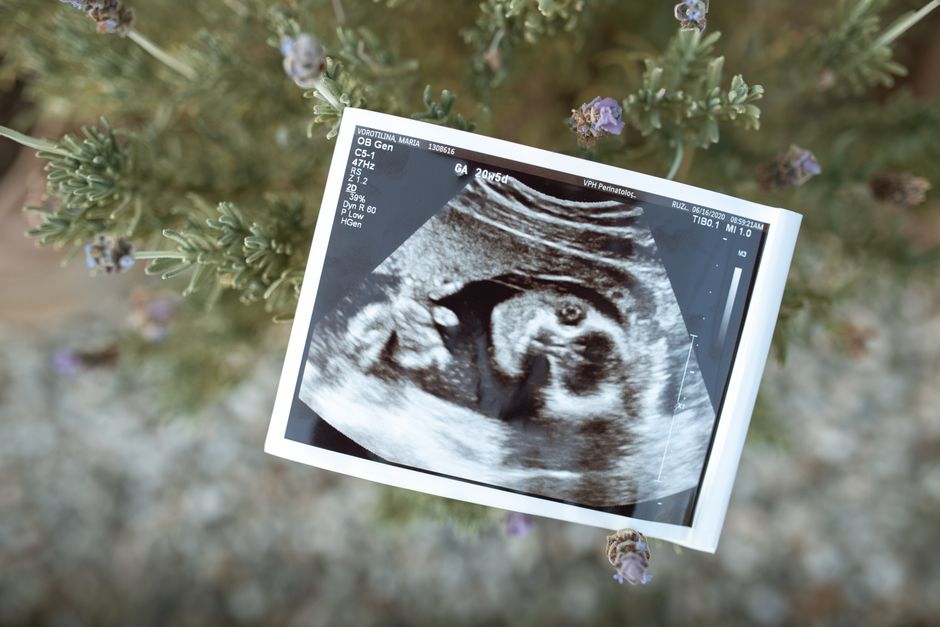
An embryo is the earliest stage of human development after fertilization. It begins when a sperm cell joins an egg cell and the resulting single cell starts to divide. This stage lasts roughly from the first week through the end of the eighth week after fertilization. At that point, the developing human is called a fetus, and the embryo stage has ended.
Understanding this window matters because nearly every major organ and body structure begins forming during it. The embryo stage is short, but it is the period when the basic blueprint of a human body is laid down.
What Is an Embryo Definition and Development?
The word embryo comes from a Greek term meaning “to swell” or “sprout.” In biology, an embryo is the stage of development that follows fertilization and precedes the fetal stage. In humans, this covers approximately the first eight weeks after fertilization.
It helps to separate two words that are often confused: embryo and fetus. The embryo is the early stage when organs are just beginning to form. The fetus is the later stage, when those organs grow larger and more mature. The shift from embryo to fetus happens at the end of the eighth week after fertilization.
There is a subtlety worth knowing. Doctors often date pregnancy from the first day of the last menstrual period, not from fertilization. That means a “9-week” pregnancy by clinical dating is roughly 7 weeks after fertilization. This difference of about two weeks shows up constantly in medical conversations, and it is a common source of confusion.
How Does an Embryo Form After Fertilization?
Fertilization usually happens in one of the fallopian tubes, not in the uterus. A sperm cell fuses with an egg cell to form a single cell called a zygote. That cell carries a full set of genetic instructions — half from each parent.
The zygote begins dividing within about a day. It becomes two cells, then four, then eight, and so on. These early divisions do not make the cluster bigger. Each new cell is smaller than the one before. The cluster travels down the fallopian tube toward the uterus over several days.
By roughly day five, the cluster has become a hollow ball of cells called a blastocyst. It implants into the lining of the uterus, usually about six to ten days after fertilization. Once implanted, the cells begin to organize into distinct layers. This is the point where the true embryo stage begins.
What Happens During the Embryonic Weeks?
The embryo stage is defined by rapid, organized change. Three primary layers of cells form early, and each one gives rise to specific parts of the body.
- The ectoderm becomes the brain, spinal cord, nerves, skin, and hair.
- The mesoderm becomes the heart, muscles, bones, blood vessels, and kidneys.
- The endoderm becomes the lining of the digestive tract, lungs, liver, and pancreas.
By around the third week after fertilization, a structure called the neural tube begins to form. It will become the brain and spinal cord. The heart starts to take shape and begins to beat during the early weeks of the embryo stage. Blood vessels form and connect into a simple circulation.
By the end of the eighth week, most major organ systems have started to develop. The embryo has a recognizable human form, with early arms, legs, fingers, and facial features. It is still very small — roughly the size of a kidney bean. From this point forward, the focus shifts from building structures to growing and maturing them.





How Is Embryonic Development Measured and Dated?
Clinicians track embryonic development in two main ways: by gestational age and by embryonic age.
Gestational age is counted from the first day of the last menstrual period. This is the standard used in most prenatal care and on ultrasound reports. Embryonic age, sometimes called fertilization age, is counted from the moment of fertilization. Embryonic age is about two weeks less than gestational age.
Ultrasound plays a central role in dating. Early in pregnancy, the size of the embryo is a reliable way to estimate how far along the pregnancy is. Crown-rump length — the measurement from the top of the head to the bottom of the tail end — is commonly used during the first trimester to estimate gestational age.
This dating matters because many screening tests and decisions depend on accurate timing. Knowing the difference between the two ways of counting helps you follow what your clinician means.
Why Do Some Embryos Stop Developing?
Not every fertilized egg develops into a live birth. Early pregnancy loss is common, and most of it happens during the embryonic stage. Many losses occur before a person even knows they are pregnant.
The most frequent cause is chromosomal abnormality — an incorrect number or structure of chromosomes in the developing embryo. These errors usually happen by chance and are not caused by anything the parents did. They are more common with advancing parental age, especially maternal age, but they can occur at any age.
Other factors can play a role in some cases, including certain infections, hormonal conditions, and structural problems in the uterus. Often no specific cause is ever identified. It is worth being clear: in most cases of early loss, there is no evidence that exercise, stress, or ordinary daily activity caused it.
What Factors Affect Embryonic Development?
Because the embryo stage is when organs first form, it is a period of heightened sensitivity to certain exposures. This does not mean every exposure is dangerous, but some are well established as risks.
Established factors that can harm development during this window include:
- Alcohol, which can cause lasting harm and is not considered safe at any amount during pregnancy.
- Certain medications that are known to affect development, which is why checking with a clinician before taking any drug during pregnancy matters.
- Some infections, including certain viral infections that can cross to the developing embryo.
- High doses of certain nutrients, such as vitamin A in its retinol form, which can be harmful in excess.
Folic acid is a well-established exception in the other direction. Adequate folic acid before conception and in early pregnancy lowers the risk of neural tube defects, which form during the embryonic stage. This is why it is recommended before pregnancy, since the neural tube forms very early — often before a person knows they are pregnant.
For many other exposures, the evidence is less clear. When the science is uncertain, the honest position is that we do not always know the full picture. That is different from saying something is proven safe.
Embryo vs. Fetus: What Is the Difference?
The difference comes down to timing and what is happening in the body. The table below summarizes the main distinctions.
| Feature | Embryo | Fetus |
|---|---|---|
| Timing after fertilization | First through eighth week | Ninth week to birth |
| Main activity | Organs and structures begin to form | Organs grow and mature |
| Size at end of stage | About the size of a kidney bean | Grows to full term size |
| Key sensitivity | High — major structures forming | Lower for structure, still important for growth |
The word “embryo” is also used more broadly in biology. In plants, an embryo is the early stage inside a seed. In animals, the term covers the early stage before birth or hatching. The human definition is a specific case of a wider biological idea.
What Is the Difference Between an Embryo and a Zygote?
A zygote is the single cell formed at fertilization. An embryo is what that cell becomes as it divides and organizes. The zygote stage is very brief — essentially the first day or so. Once the cell has divided into a cluster and begun to take shape, it is generally described as an embryo.
So the sequence runs from zygote, to a dividing cluster, to blastocyst, to embryo, and finally to fetus. Each label marks a stage, not a different being. They describe the same continuous process at different points in time.
Frequently Asked Questions
How long does the embryo stage last?
The human embryo stage lasts from fertilization through the end of the eighth week after fertilization. After that point, the developing human is called a fetus.
What is the difference between an embryo and a fetus?
An embryo is the early stage when organs and body structures first form, while a fetus is the later stage when those structures grow and mature. The change happens at the end of the eighth week after fertilization.
When does the heart start beating in an embryo?
The heart begins to form and starts beating during the early weeks of the embryo stage. This is part of the rapid organ development that defines this period.
Can stress cause an embryo to stop developing?
There is no evidence that ordinary stress causes early pregnancy loss. Most early losses are linked to chromosomal abnormalities that happen by chance.
