
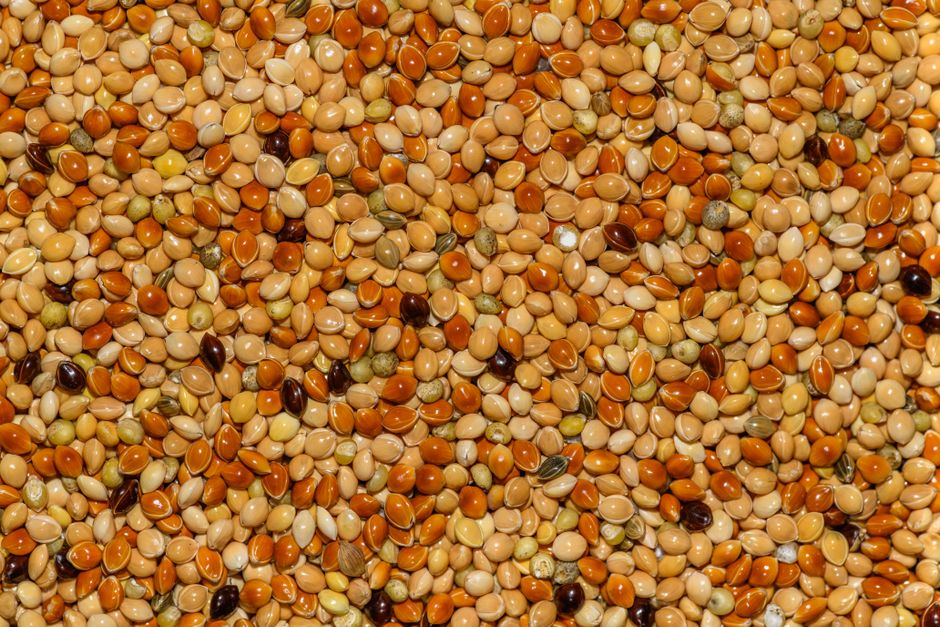
The flour aisle has quietly filled up with options that did not exist a generation ago, and sorghum flour is one of the fastest-growing names on the shelf. It is a fine powder milled from the whole grain of the sorghum plant, a cereal grass that ranks among the world’s major staple crops. In the United States, sorghum is most often grown in the Great Plains, where it tolerates heat and dry conditions better than corn or wheat. The flour is naturally gluten-free, mild in flavor, and light in color in its white variety. That combination has made it a common ingredient in gluten-free baking blends and a staple in many traditional cuisines across Africa and Asia.
What Is Sorghum Flour Made From?
Sorghum flour comes from grinding the entire sorghum kernel, which means the bran, germ, and endosperm all end up in the final product. That makes it a whole-grain flour by definition, similar in concept to whole wheat flour but without the gluten.
The grain itself is small and round, roughly the size of a peppercorn. It grows in a seed head at the top of a tall stalk. Farmers harvest it, clean it, and mill it into flour without removing the outer layers. This matters nutritionally because the bran and germ hold most of the fiber, fats, and micronutrients.
There are several types of sorghum, and the flour they produce varies:
- White sorghum — light in color and mild in taste, the most common type sold as flour in the US
- Red sorghum — darker and slightly more earthy in flavor, often used in traditional African cooking
- Black sorghum — deep in color, rich in plant pigments called anthocyanins
The milling method also matters. Finely milled sorghum flour works better in baked goods than coarse versions, which can feel gritty. Some brands label their product “sweet white sorghum” to distinguish it from bitter varieties that contain higher levels of tannins.
Is Sorghum Flour Gluten-Free?
Yes. Sorghum is not related to wheat, barley, or rye, so it contains no gluten. This is not a marketing claim — it is a botanical fact. Sorghum belongs to a different plant family entirely.
That makes it a useful option for people with celiac disease or non-celiac gluten sensitivity. But there is a catch worth knowing. Gluten-free grains can become contaminated with wheat during growing, transport, or milling if equipment is shared. For someone with celiac disease, even small amounts of cross-contact can trigger symptoms and intestinal damage. Look for products labeled “certified gluten-free” if you have a medical reason to avoid gluten entirely.
One practical note: sorghum flour does not behave like wheat flour. It has no gluten to form the elastic network that traps gas and gives bread its rise. Baked goods made with 100% sorghum flour tend to be dense and crumbly. Most gluten-free recipes combine it with other flours and add binders like xanthan gum or psyllium husk to mimic some of wheat’s structure. This is common practice in gluten-free baking, though results vary by recipe and no single blend works for everything.
What Are the Nutritional Benefits of Sorghum Flour?
Sorghum flour is a whole grain, and whole grains are consistently linked with better health outcomes in large population studies. That said, sorghum specifically has been studied far less than wheat, oats, or rice. Much of what is known comes from its nutrient composition rather than from trials measuring health effects in people.
Here is how sorghum flour compares to a few common flours per 100 grams, using standard nutrient data:
| Flour (100g) | Calories | Protein | Fiber | Iron |
|---|---|---|---|---|
| Sorghum | ~359 | ~8-9g | ~6-7g | ~3-4mg |
| Whole wheat | ~340 | ~13g | ~11g | ~3.5mg |
| White rice | ~366 | ~6g | ~1g | ~0.5mg |
| Oat | ~389 | ~13g | ~10g | ~4mg |
These figures vary by variety and how the grain is milled, so treat them as approximate. The broader point is that sorghum holds its own against other whole grains. It brings more fiber and iron than white rice flour, and it is comparable to whole wheat in several measures.
Sorghum also contains phenolic compounds — natural plant chemicals that have antioxidant activity in the lab. Whether that translates into meaningful health effects in the human body is not established. Lab results and human outcomes are two different things, and no large human trials have confirmed specific disease-prevention benefits from eating sorghum. The reasonable position is that sorghum is a solid whole-grain choice, not a therapeutic food.





How Do You Bake With Sorghum Flour?
Sorghum flour works best as part of a blend, not on its own. Its mild flavor and light color mean it does not overpower other ingredients, which is why it appears in so many gluten-free flour mixes.
A few practical points help:
- Replace roughly 25 to 30 percent of the total flour in a recipe with sorghum, and use another flour for the rest
- Add a binder like xanthan gum or psyllium to help with structure
- Increase liquid slightly, since sorghum absorbs more water than wheat
- Let batters rest for 15 to 30 minutes so the flour fully hydrates
These are general guidelines from gluten-free baking practice, not strict rules. Every recipe behaves differently, and you may need to adjust. Sorghum performs particularly well in quick breads, muffins, pancakes, and flatbreads — baked goods that do not depend on a strong gluten network for their structure. Yeast breads are harder because they need that network to rise.
Toasting the flour lightly in a dry pan before baking can soften its slightly earthy taste. Store sorghum flour in an airtight container away from heat and light. Because it is a whole-grain flour, it contains oils that can go rancid over time. Refrigeration or freezing extends its shelf life.
Who Should Be Careful With Sorghum Flour?
For most people, sorghum flour is well tolerated and safe to eat. It has a long history of use as a staple food in parts of Africa and India. Still, a few groups should pay attention.
People with celiac disease need to confirm the product is certified gluten-free, as discussed above. Cross-contamination is a real concern, not a theoretical one.
Sorghum contains tannins and other compounds that can reduce the absorption of certain minerals, particularly iron and zinc, when eaten in very large amounts as a dietary staple. This is mainly a concern in regions where sorghum makes up a majority of the diet and nutrient intake is already marginal. For someone eating sorghum flour occasionally as part of a varied diet, this is unlikely to matter.
Sorghum is not a common allergen, and allergic reactions to it are rare. That said, any food can trigger a reaction in a sensitive person. If you have multiple food allergies or have reacted to other grains, introduce it cautiously.
There are no established clinical guidelines for sorghum flour intake during pregnancy, breastfeeding, or in infants and young children. If you are feeding a child or managing a medical condition, talk with a clinician or dietitian rather than relying on general advice.
How Does Sorghum Flour Compare to Other Gluten-Free Flours?
Sorghum sits in a useful middle ground among gluten-free flours. It has more protein and fiber than white rice flour, a milder taste than teff or buckwheat, and a lighter color than many alternatives. That balance is why it shows up so often in commercial gluten-free blends.
Compared with rice flour, sorghum brings more nutrients and a slightly nuttier flavor. Compared with almond flour, it is lower in fat and far less expensive, though it lacks almond flour’s richness. Compared with coconut flour, it behaves much more like a traditional grain flour and does not soak up nearly as much liquid.
No single gluten-free flour replaces wheat perfectly. Each has strengths and weaknesses, and most good recipes combine two or three. Sorghum earns its place in that mix for its neutral flavor, whole-grain nutrition, and reliable performance in everyday baking.
Frequently Asked Questions
Is sorghum flour the same as regular flour?
No. Regular flour usually means wheat flour, which contains gluten, while sorghum flour is milled from a gluten-free grain and behaves very differently in baking. It cannot be swapped one-for-one with wheat flour in most recipes.
Is sorghum flour healthier than wheat flour?
Neither is clearly healthier than the other. Both are whole grains with similar calorie and fiber content, and the better choice depends on your dietary needs, such as whether you must avoid gluten.
Can I eat sorghum flour if I have celiac disease?
Yes, as long as the product is certified gluten-free. Sorghum itself contains no gluten, but cross-contamination during milling is possible, so the certification matters.
Does sorghum flour taste like wheat?
It has a mild, slightly earthy or nutty flavor that is not identical to wheat. White sorghum is the mildest type and blends easily into baked goods without a strong taste.
