
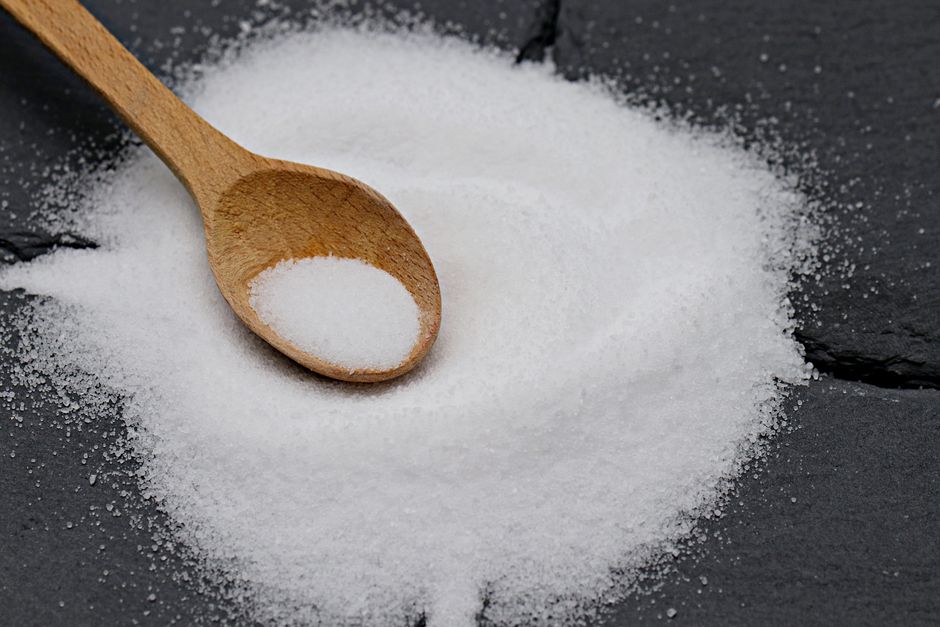
Sodium dodecyl sulfate is a synthetic detergent and foaming agent found in thousands of everyday products, from toothpaste and shampoo to laundry detergent and industrial cleaners. It is the same compound scientists call sodium lauryl sulfate, or SLS. Regulators in the United States and Europe have approved it for use in cosmetics and personal care products, and the available evidence shows it is not a carcinogen. The main documented concern is irritation, especially for people with sensitive skin or certain skin conditions.
What Is Sodium Dodecyl Sulfate And Is It Safe?
Sodium dodecyl sulfate is an anionic surfactant. That means one end of the molecule carries a negative charge and binds to water, while the other end binds to oil and grease. This dual nature is what lets it lift dirt and oil off surfaces and rinse them away.
Safety depends entirely on how it is used. In rinse-off products like shampoo and body wash, it is diluted, applied briefly, and washed away. In leave-on products or at high concentrations, the irritation risk goes up. The ingredient itself is not the problem most people assume it is. The dose and contact time are.
Regulatory bodies have reviewed SLS for decades. The Cosmetic Ingredient Review, an independent panel that assesses cosmetic ingredients in the US, has concluded that sodium lauryl sulfate is safe for use in cosmetics when formulated and used as intended. The European Union permits it in cosmetic products with concentration limits for leave-on applications. These are established positions, not fringe opinions.
What Is The Difference Between SLS And SLES?
Sodium laureth sulfate, or SLES, is a close chemical relative of SLS. It is made by adding ethylene oxide units to SLS, which changes how the molecule behaves.
The practical difference is irritation potential. SLES is generally milder on skin than SLS. That is why many “gentle” or “sulfate-free-ish” formulas use SLES instead. It still cleans and foams, just with less disruption to the skin barrier.
Both are surfactants. Both can irritate sensitive skin if used heavily. Neither has been shown to cause cancer in humans at the levels found in consumer products.
One clarification worth making: “sulfate-free” marketing often implies that all sulfates are dangerous. That is not supported by the evidence. The term is a formulation choice, not a safety verdict.
Why Does SLS Cause Skin Irritation?
SLS irritates skin by stripping lipids from the outermost layer of the skin, called the stratum corneum. This layer is your barrier. It keeps water in and irritants out.
When surfactants remove too much of the lipid matrix, the barrier weakens. Water escapes more easily, and outside irritants get in more easily. The result can be redness, dryness, itching, and a stinging sensation. This is a direct irritant effect, not an allergic reaction in most cases.
This distinction matters. An irritant reaction can happen to anyone if the exposure is strong enough. An allergy involves the immune system and is far less common with SLS.
People with eczema, rosacea, or generally sensitive skin tend to react at lower exposures than others. That is a well-documented pattern in dermatology. It does not mean SLS is unsafe for the general population. It means individual skin tolerance varies widely.



Does SLS Cause Cancer Or Hormone Disruption?
No established evidence shows that SLS causes cancer in humans. This claim circulates widely online and is not supported by the body of research.
Some early animal studies exposed animals to very high concentrations in ways that do not reflect normal human use. Those findings do not translate into a cancer risk from shampoo or toothpaste.
The hormone disruption claim is also not well supported. Some surfactants have shown weak activity in laboratory cell studies, but laboratory findings do not equal real-world hormonal effects in people. No clinical evidence currently confirms that SLS disrupts human hormones at consumer exposure levels.
It is reasonable to be skeptical of bold health claims in either direction. The honest position here is that the cancer and hormone claims are not backed by reliable human evidence.
Is SLS Safe In Toothpaste?
SLS is added to many toothpastes because it creates foam, which many people associate with cleaning. The foam does not actually clean teeth. The abrasives and fluoride do that.
The most consistent finding about SLS in toothpaste involves mouth ulcers. Some research suggests that SLS can worsen recurrent canker sores in people prone to them. Several studies have found that switching to an SLS-free toothpaste reduced the number and duration of ulcers in those individuals.
This does not mean SLS toothpaste is unsafe for everyone. For most people it causes no problems. For people who get frequent canker sores, choosing an SLS-free toothpaste is a reasonable step some clinicians recommend, though the evidence is not uniform across all studies.
One practical note: if you switch to an SLS-free toothpaste, make sure it still contains fluoride. Fluoride is the ingredient with strong evidence for cavity prevention. Foam is not.
Who Should Consider Avoiding SLS?
Most people can use products containing SLS without issue. Certain groups may benefit from limiting exposure, based on what is known about skin tolerance.
- People with eczema or chronically dry, reactive skin
- People with rosacea or facial redness
- People prone to recurrent canker sores
- People with scalp conditions like seborrheic dermatitis who find shampoos aggravating
- Anyone who notices stinging, redness, or itching after using a product
For these groups, the issue is comfort and barrier protection, not toxicity. Avoiding SLS is a management choice, not a medical necessity for most.
If you have a diagnosed skin condition, a dermatologist can help you identify which ingredients in your routine are actually triggering symptoms. It is not always the sulfate.
How Do You Identify SLS On A Label?
SLS appears under several names. Knowing them helps if you want to avoid it.
- Sodium lauryl sulfate
- Sodium dodecyl sulfate
- Sodium lauryl ether sulfate (this is closer to SLES)
- Sulfuric acid, monododecyl ester, sodium salt
Ingredients are listed in order of concentration, with the highest amounts first. In most personal care products, surfactants appear near the top because they make up a large share of the formula.
If a product claims to be sulfate-free, check the list anyway. Some products remove SLS but include other surfactants that can irritate sensitive skin just as much. The label claim and the actual irritation potential are not always the same thing.
What Are SLS-Free Alternatives?
Many products now use gentler surfactants. Common alternatives include coco-glucoside, decyl glucoside, and sodium cocoyl isethionate. These tend to be milder on the skin barrier.
They also tend to foam less. That is a trade-off many people notice when they switch. Less foam does not mean less clean.
For toothpaste, SLS-free options are widely available and typically use different foaming agents or none at all. For shampoo, sulfate-free formulas often use glucosides or other non-sulfate cleansers.
The evidence does not show that these alternatives are safer in a toxicological sense. They are simply less likely to irritate sensitive skin. That is a meaningful difference for some people and irrelevant for others.
What Does The Evidence Actually Show?
The strongest evidence about SLS concerns skin and mucous membrane irritation. This is well documented and consistent across studies. The dose, concentration, and contact time all influence how much irritation occurs.
The evidence for cancer, hormone disruption, and other serious systemic harms from consumer use is weak or absent. Claims in that direction are not supported by reliable human data.
The evidence for canker sore worsening is moderate. Several studies point in that direction, though results are not perfectly uniform.
What is often missing from the online debate is nuance. SLS is neither a dangerous toxin nor a completely harmless ingredient. It is an effective surfactant with a well-characterized irritation profile. For most people, using it as directed is fine. For some, choosing alternatives improves comfort.
Frequently Asked Questions
Is sodium dodecyl sulfate the same as sodium lauryl sulfate?
Yes, they are the same compound with two different names. Sodium dodecyl sulfate is the more technical chemical name, while sodium lauryl sulfate is the name most commonly used on product labels.
Is SLS safe to use every day?
For most people, daily use of rinse-off products containing SLS does not cause problems. People with sensitive skin, eczema, or frequent canker sores may find that limiting exposure reduces irritation.
Does SLS cause cancer?
No established evidence shows that SLS causes cancer in humans at the levels found in consumer products. Claims linking it to cancer are not supported by reliable human research.
Why does SLS-free toothpaste exist?
SLS-free toothpaste is mainly marketed to people who get recurrent canker sores, since some studies suggest SLS can worsen them. It is a comfort choice, not a safety requirement for the general population.
