
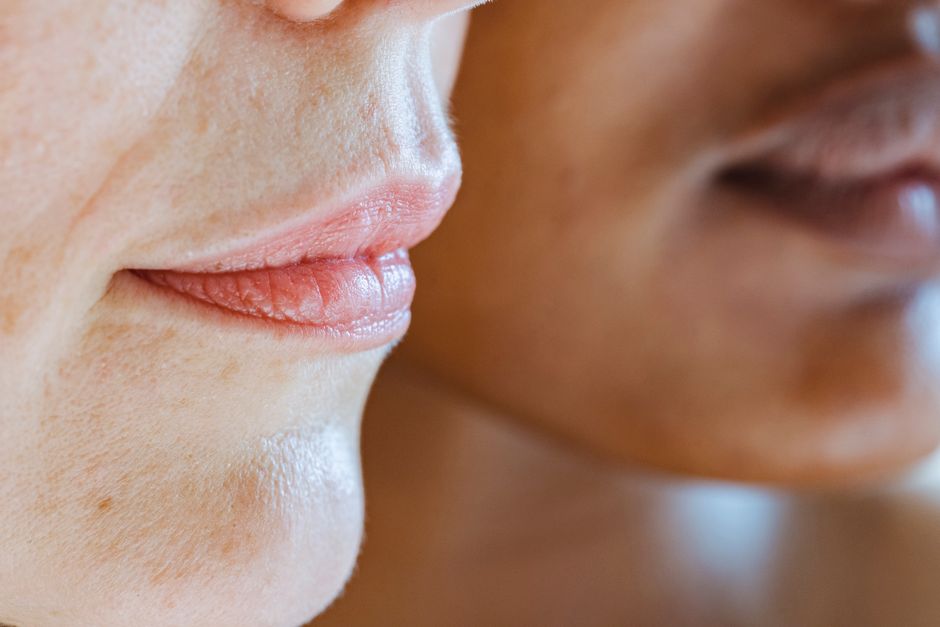
If you have ever looked at a sunscreen label, taken a skin cancer risk quiz, or sat in a dermatologist’s chair before a laser treatment, you may have run into the Fitzpatrick scale. It sorts skin into six types based on how it responds to ultraviolet (UV) light. Skin type 2 sits near the pale end of that scale. People with type 2 skin usually have fair skin, light eyes, and blond or light brown hair, and they tend to burn easily while tanning only a little or not at all.
The Fitzpatrick scale was developed in 1975 by dermatologist Thomas B. Fitzpatrick, M.D., as a way to estimate how different skin tones respond to UV exposure. It is not a measure of ethnicity, beauty, or health. It is a rough clinical tool for predicting sunburn and tanning response, and it is still used today to help guide certain medical decisions.
What Is Skin Type 2 On The Fitzpatrick Scale?
Type 2 is the second-lightest category on the six-point Fitzpatrick scale. It describes skin that burns easily and tans minimally.
The scale runs from type 1 (always burns, never tans) to type 6 (rarely or never burns, deeply pigmented). Type 2 sits just above the palest category. In practice, a person with type 2 skin often has fair skin, blue, green, or hazel eyes, and naturally light hair. Their skin may have a slight ability to tan, but it usually takes repeated, careful exposure to build even a light tan, and a sunburn can happen fast.
Here is how the six types are generally described:
- Type 1: Pale white skin, always burns, never tans
- Type 2: Fair skin, usually burns, tans minimally
- Type 3: Light brown or cream skin, sometimes burns mildly, tans gradually
- Type 4: Moderate brown or olive skin, rarely burns, tans easily
- Type 5: Dark brown skin, very rarely burns, tans deeply
- Type 6: Deeply pigmented dark brown to black skin, almost never burns
These categories are broad. Two people who both describe themselves as type 2 can have noticeably different skin. The scale is a starting point, not a precise measurement.
How Is Skin Type 2 Different From Type 1 and Type 3?
The main difference between type 1 and type 2 is whether the skin can tan at all. Type 1 skin essentially never tans and always burns. Type 2 skin can develop a small amount of tan with repeated exposure, but burning remains the dominant response.
Type 3 is the first category where tanning becomes a normal, expected response. People with type 3 skin may burn occasionally, especially early in the season or with intense exposure, but their skin darkens more readily and generally tolerates sun better than type 2.
The line between type 2 and type 3 can be blurry. A person’s response can also shift over time or with circumstances. Sun exposure history, certain medications, and how much time you spend outdoors all affect how your skin reacts on any given day.
How Do You Know If You Have Type 2 Skin?
There is no lab test for Fitzpatrick skin type. It is based on self-reported or clinician-observed responses to sun exposure, usually through a short set of questions.
A common approach asks about your eye color, hair color, and how your skin responds after a few hours in strong sun without protection. The answers are combined into a score that maps onto one of the six types. Because it relies on memory and self-report, the result is an estimate rather than a fixed fact.
Some clues that point toward type 2 include:
- Fair or pale skin that reddens quickly in the sun
- Blue, green, or hazel eyes
- Naturally blond, red, or light brown hair
- A history of sunburns, especially more than a few
- Freckles or moles on sun-exposed areas
- Little or no tanning even after repeated sun exposure
If you are unsure, a dermatologist can help you work through the scale. This matters most if you are planning a procedure that uses light or lasers, since Fitzpatrick type is one factor clinicians consider.





Why Does Fitzpatrick Skin Type Matter?
Skin type is used in a few specific medical and practical settings. It is not a general measure of health, and it does not replace a real risk assessment by a clinician.
One area is sun protection counseling. People with type 2 skin are more prone to sunburn, and repeated sunburns raise skin cancer risk over time. Knowing your type can help you take sun exposure more seriously.
Another area is dermatologic procedures. Lasers, intense pulsed light, chemical peels, and some other treatments interact differently with different skin tones. Fitzpatrick type is one of the tools a clinician uses to choose settings and reduce the chance of burns, scarring, or uneven color after a procedure.
Skin type is also used in some research and in certain skin cancer risk models. In these settings it is one input among many, not a standalone predictor.
Does Skin Type 2 Mean Higher Skin Cancer Risk?
Fair skin that burns easily is a recognized risk factor for skin cancer, including melanoma, basal cell carcinoma, and squamous cell carcinoma. Type 2 skin falls into the fairer end of the scale, so it does carry more risk than darker skin types.
But skin type is only one factor. Other things matter too:
- A personal or family history of skin cancer
- A large number of moles or unusual moles
- Significant cumulative sun exposure over a lifetime
- A history of blistering sunburns, especially in childhood
- Use of tanning beds
- Certain medications or medical conditions that increase sun sensitivity
People with darker skin can also develop skin cancer, sometimes in areas that get little sun, such as the palms, soles, and under the nails. Skin type affects risk level, but it does not remove risk for anyone.
How Should Someone With Type 2 Skin Protect Themselves?
Sun protection is the main practical step for type 2 skin. The goal is to reduce UV exposure and prevent burns.
General guidance from public health and dermatology organizations includes:
- Seek shade during the middle of the day, when UV rays are strongest
- Wear protective clothing, a wide-brimmed hat, and sunglasses
- Use a broad-spectrum sunscreen and reapply it during extended time outdoors
- Avoid tanning beds
- Check your skin regularly and see a clinician about any new, changing, or unusual spots
Sunscreen alone is not enough. Clothing, shade, and timing your outdoor activity matter just as much. No sunscreen blocks 100 percent of UV rays.
What Skin Type 2 Does Not Tell You
The Fitzpatrick scale is a tool, not a verdict. It does not tell you your exact skin cancer risk, how your skin will age, or how it will respond to every treatment.
It also does not capture everything about skin. Two people with the same Fitzpatrick type can have very different skin. Genetics, medication use, hormones, and past sun exposure all shape how skin behaves. The scale was designed to be simple and fast, and that simplicity is also its main limitation.
If you are making a decision about a skin procedure or you are worried about a spot on your skin, the scale is a starting point for a conversation with a clinician, not a substitute for one.
Frequently Asked Questions
What is Fitzpatrick skin type 2?
Type 2 is the second-lightest category on the Fitzpatrick scale, describing fair skin that usually burns and tans only minimally. It sits between type 1 (always burns, never tans) and type 3 (sometimes burns, tans gradually).
How do I know if I have type 2 skin?
Type 2 skin is identified by fair skin, light eyes, blond or light brown hair, and a tendency to burn easily with little tanning. There is no lab test, so it is estimated from your sun response and appearance.
Is Fitzpatrick type 2 skin more likely to get skin cancer?
Fair skin that burns easily is a recognized risk factor for skin cancer, so type 2 carries more risk than darker skin types. Skin type is only one factor, and other things like mole count, sun history, and family history also matter.
Can type 2 skin tan safely?
Any tan is a sign of skin damage from UV exposure, so there is no truly safe tan. Type 2 skin can develop a light tan with repeated exposure, but this does not make burning or long-term skin damage safe.
