
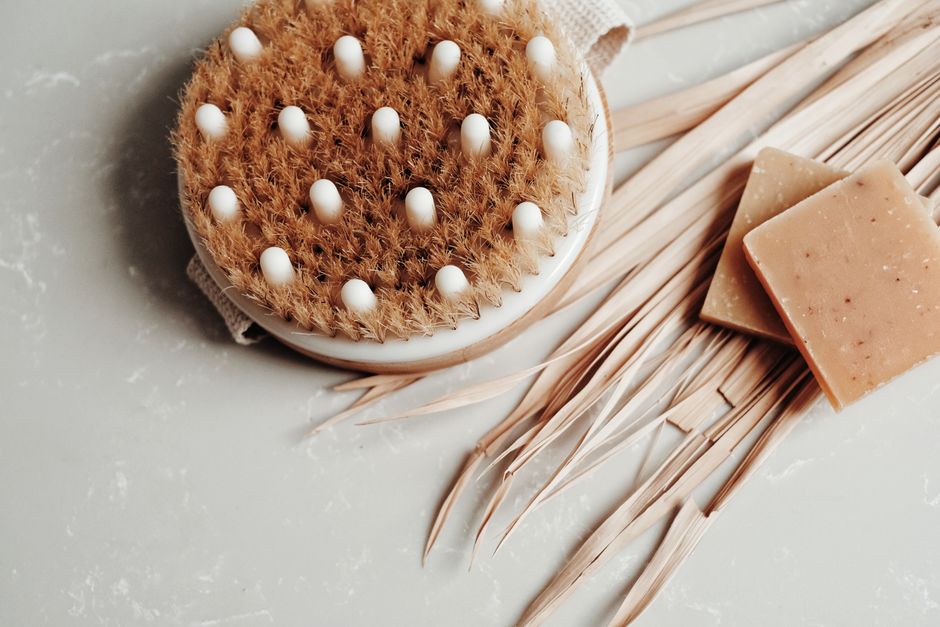
Exfoliating brushes can work well for some skin types, but they are not a one-size-fits-all tool and can cause real damage if used on the wrong skin. For normal to oily skin, a soft-bristled brush used gently a few times a week can help remove dead skin cells. For sensitive, dry, or acne-prone skin, a brush is often too abrasive and can worsen irritation, redness, and breakouts. The effectiveness depends less on the brush itself and more on how it matches your specific skin condition and how you use it.
How Do Exfoliating Brushes Actually Work?
Your skin sheds dead cells constantly. Normally, this happens on its own. But sometimes cells clump together, leaving skin looking dull or feeling rough. An exfoliating brush physically scrubs those cells off the surface.
Most brushes use nylon bristles. Some are manual, meaning you move them yourself. Others are electric and spin or oscillate. Both work on the same principle: physical friction removes the outer layer of dead skin.
This process can make skin feel smoother immediately. It can also help skincare products absorb better because there are fewer dead cells blocking the way. That is the main benefit, and it is well established.
The problem is that friction does not only remove dead cells. It also removes some healthy skin cells and natural oils. When that happens too often or with too much pressure, the skin barrier weakens. A weakened barrier leads to dryness, redness, and increased sensitivity.
Do Exfoliating Brushes Work For Your Skin Type
The honest answer is that brushes work best for people with normal or oily skin. These skin types tolerate physical exfoliation well. The thicker, oilier surface can handle the friction without becoming irritated.
If you have normal skin, you can likely use a soft brush once or twice a week. If you have oily skin, you might tolerate three times a week. The key is to watch your skin’s response. If it feels tight, looks red, or stings when you apply moisturizer, you are overdoing it.
People with dry skin should be careful. Dry skin already lacks oil and has a more fragile barrier. A brush can strip away the little moisture you have, making flakiness worse. If you have dry skin and want to exfoliate, a gentle chemical exfoliant like lactic acid is usually a better choice than a brush.
Those with sensitive skin should generally avoid brushes entirely. Sensitive skin reacts to friction quickly. Even a soft brush can trigger redness, stinging, and inflammation. This is not about brush quality. It is about the physical action itself.
What About Acne-Prone Skin?
This is where people often make a mistake. It seems logical that scrubbing away dead cells and oil would help acne. In reality, it often makes things worse.
Active acne involves inflamed pores. Rubbing a brush over inflamed skin spreads bacteria and increases irritation. This can turn a small pimple into a larger, angrier one. It can also break open existing lesions, increasing the risk of scarring and dark spots.
There is one exception. Some dermatologists suggest that a very soft brush might help with non-inflamed blackheads. But even this is debated, and the risk of irritation is high. If you have active breakouts, skip the brush until your skin is clear. Focus on gentle cleansing and non-comedogenic products instead.
For acne scarring or uneven texture, a brush will not help. Those issues are deeper in the skin. A brush only affects the surface. Professional treatments or prescription topicals address texture problems more effectively.





The Real Risks of Over-Exfoliating
Over-exfoliation is common and often goes unrecognized. The signs include persistent redness, a burning sensation, flaky patches, and breakouts that appear suddenly. Many people mistake these breakouts for a “purging” phase and keep scrubbing. That is a mistake.
When you damage the skin barrier, your skin loses water faster than normal. It also becomes more vulnerable to bacteria and environmental irritants. This can trigger a cycle where your skin feels rough, so you exfoliate more, which damages it further, making it rougher.
Another risk is micro-tears. These are tiny breaks in the skin that are not visible to the naked eye. They can become entry points for bacteria, leading to infections. While the term “micro-tears” is sometimes used in marketing scare tactics, the underlying concern is real. Aggressive physical exfoliation can compromise skin integrity.
If you notice any of these signs, stop using the brush immediately. Give your skin a break for one to two weeks. Use only a gentle cleanser and a basic moisturizer during this time. Your skin will recover, but it needs time without friction.
How to Use a Brush Safely If You Choose To
If your skin type tolerates brushes, technique matters more than the brush itself. Start with the gentlest option available. Look for brushes with soft, flexible bristles. Avoid stiff natural bristles, which are too harsh for facial skin.
Use the brush on damp skin, never dry skin. Apply a gentle cleanser first, then use the brush with light pressure. You should not press hard. The weight of the brush should be enough. If you are using an electric brush, let it do the work. Do not move it rapidly across your skin.
Limit use to once or twice a week at first. This is not a daily tool. Even people with oily skin rarely need more than three times weekly. Over time, you can adjust based on how your skin responds.
Never use a brush on broken skin, sunburned skin, or immediately after waxing or chemical peels. These situations leave your skin vulnerable. Adding friction increases the risk of damage significantly.
Keep your brush clean. Bacteria build up on bristles over time. Wash the brush head with soap and water after each use. Replace it every three months. Older brushes harbor more bacteria and have stiffer, more damaging bristles.
Alternatives That May Suit Your Skin Better
Chemical exfoliants are the main alternative to brushes. These use acids to dissolve the bonds between dead skin cells. They do not involve friction, so they are gentler on the skin barrier.
Alpha-hydroxy acids (AHAs) like glycolic and lactic acid work on the skin’s surface. They are good for dry or sun-damaged skin. Beta-hydroxy acid (salicylic acid) penetrates into pores and is better for oily and acne-prone skin. These ingredients are well studied and widely used in dermatology.
Another option is a soft washcloth. This provides mild exfoliation without the intensity of a brush. You have more control over pressure. Many dermatologists consider this safer than a brush for most skin types.
There are also konjac sponges, which are very soft and gentle. They are made from plant fibers and become soft when wet. They can be a good middle ground for people who want light exfoliation but find brushes too harsh.
Enzyme exfoliants, often from papaya or pineapple, break down dead skin cells without scrubbing. These are gentle and suit sensitive skin well. They take longer to show results but carry less risk of irritation.
What the Evidence Shows
Clinical research on exfoliating brushes is limited compared to research on chemical exfoliants. Some studies have looked at electric brushes and found they can improve skin smoothness and appearance. However, these studies are often small and short-term.
The bigger body of evidence supports chemical exfoliants for most skin concerns. Studies have consistently shown that AHAs and BHAs improve texture, tone, and acne with a lower risk of barrier damage than physical scrubbing.
No large clinical trials have confirmed that brushes are superior to other exfoliation methods. The marketing around brushes often overstates their benefits. The claims about “deep cleaning” or “stimulating circulation” have limited scientific backing.
That does not mean brushes are useless. It means the evidence for them is modest. For some people, they work well. For others, they cause more harm than good. The lack of strong evidence should make you cautious, not dismissive.
Signs You Should Stop Using a Brush Immediately
Your skin gives clear signals when it is unhappy. Learn to recognize them early. Persistent redness that lasts more than a few hours after exfoliating is a warning sign. A stinging or burning sensation when applying water or moisturizer is another.
If your skin feels tight or looks shiny in an unnatural way, you have likely stripped too much oil. If you develop small bumps or breakouts in areas where you never had them before, the brush may be the cause.
Itching is also a sign of barrier damage. Healthy skin does not itch after exfoliation. If any of these symptoms appear, stop using the brush and simplify your routine. Moisturizer and sunscreen only. No active ingredients. Give your skin two weeks to recover.
Frequently Asked Questions
Can exfoliating brushes cause acne?
Yes, they can. Friction from a brush can irritate skin and spread bacteria, which may trigger new breakouts.
How often should I use an exfoliating brush?
Most people should use one no more than once or twice a week. Daily use is too much for nearly all skin types.
Are silicone brushes better than bristle brushes?
Silicone brushes are gentler and easier to clean than bristle brushes. They are a safer option for sensitive or dry skin.
Should I use an exfoliating brush on my body?
Body skin is thicker than facial skin, so brushes are generally safer there. Still, use light pressure and avoid broken or irritated areas.
