
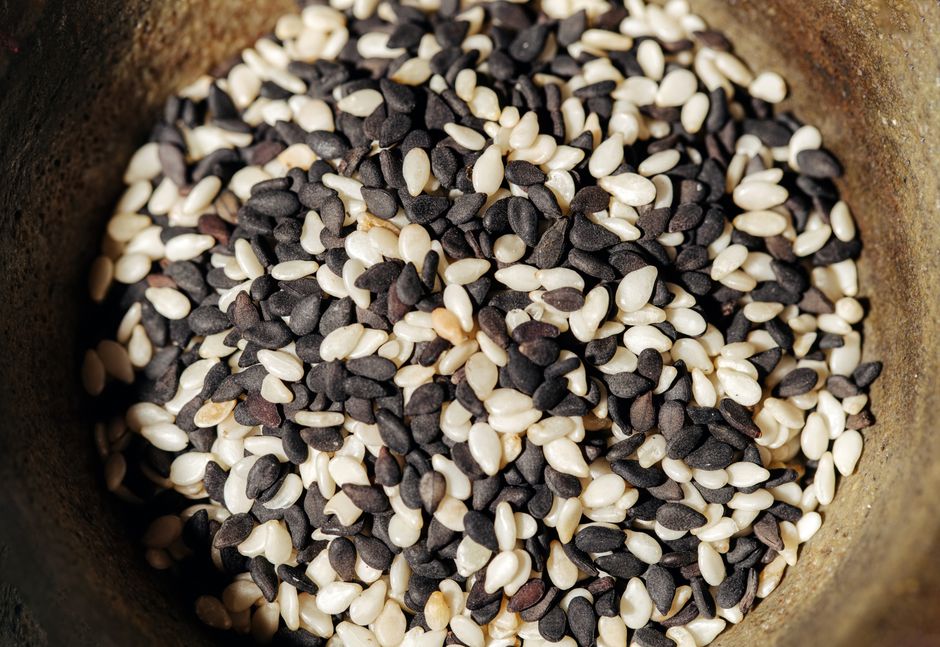
Sesame oil is a pressed seed oil used mainly for cooking, especially in South Asian, Chinese, Korean, and Middle Eastern kitchens. It also shows up in skin care and hair products, where it is valued as an emollient that helps slow water loss from the skin. What it can and cannot do depends heavily on which type you buy, because toasted and cold-pressed sesame oils behave very differently.
What Is Sesame Oil Used For in Cooking?
Sesame oil is used both as a cooking fat and as a finishing oil. The two roles call for different bottles.
Toasted sesame oil is made from roasted seeds. It is dark amber, intensely nutty, and has a low smoke point — the temperature at which an oil starts to break down and smoke. Because of that, it is best used as a flavoring added at the end of cooking or in dressings, marinades, and dipping sauces rather than for high-heat frying.
Refined or untoasted sesame oil is lighter in color and flavor and has a much higher smoke point. This is the type commonly used for stir-frying, sautéing, and deep-frying in Asian cooking. Light sesame oil is also sometimes blended into neutral cooking oils.
One practical point that surprises people: a bottle labeled “pure sesame oil” is often a blend, not 100% sesame. If flavor matters to you, check the ingredient list.
Is Sesame Oil Healthy to Eat?
Sesame oil is mostly fat, so it is calorie-dense — about 120 calories per tablespoon, similar to other oils. Its fat profile is roughly 40% monounsaturated, 42% polyunsaturated, and 14% saturated fat, based on USDA data. That is a reasonably heart-friendly mix, comparable in general terms to olive oil.
Sesame oil also contains vitamin E and small amounts of plant compounds called lignans, including sesamin and sesamol. These have been studied for antioxidant activity. The key word is studied — most of the striking findings come from laboratory work or small trials, not large human outcome studies. No clinical evidence currently confirms that eating sesame oil prevents heart disease, lowers blood pressure meaningfully in people, or extends lifespan.
What is well established is simpler: replacing saturated fats like butter or lard with unsaturated plant oils tends to improve blood cholesterol levels. Sesame oil fits that pattern. That is a general effect of unsaturated fats, not a unique property of sesame.
Two honest cautions. Sesame is one of the more common food allergens, and sesame allergy can be severe. In the United States, sesame was added to the major food allergen list in 2023, so it must now be declared on packaged food labels. Second, if you take warfarin or another blood thinner, talk to your clinician before making sesame oil a regular part of your diet — sesame contains vitamin K, which can interact with these medications.
Does Sesame Oil Help the Skin?
Sesame oil works as a moisturizer by acting as an emollient and occlusive. It coats the skin and slows transepidermal water loss — the steady evaporation of water through the outer skin layer. That is a real, measurable effect, and it is how most plant oils help dry skin.
Beyond moisture, the picture gets murkier. Sesame oil contains vitamin E and antioxidant lignans, and some laboratory studies suggest these compounds have anti-inflammatory activity. Whether that translates into meaningful skin benefits in people is not well established. Small studies have looked at sesame oil for conditions like dry skin and as part of massage therapy for premature infants, but the evidence base is thin and results vary.
What sesame oil is not: it is not a treatment for eczema, psoriasis, acne, or fungal infections. No clinical evidence confirms it clears these conditions. Some people with eczema find plant oils soothing; others react to them. Sesame oil can occasionally cause contact dermatitis, an allergic skin reaction, in sensitive individuals.
If you want to try it, patch-test on a small area of your inner arm first. Apply to damp skin right after a shower to help trap moisture. And if you have a diagnosed skin condition, sesame oil is a supplement to treatment, not a replacement for it.





How Does Sesame Oil Compare to Other Oils?
People often ask whether sesame oil is “better” than olive, coconut, or other oils. The honest answer is that no single oil is best for everything. Here is a general comparison based on USDA nutrient data.
| Oil | Main Fat Type | Typical Use | Notes |
|---|---|---|---|
| Sesame (toasted) | Monounsaturated and polyunsaturated | Flavoring, dressings | Low smoke point; strong flavor |
| Sesame (refined) | Monounsaturated and polyunsaturated | Stir-fry, sauté | High smoke point; mild flavor |
| Olive (extra virgin) | Monounsaturated | Dressings, low-heat cooking | Strong evidence for heart health |
| Coconut | Saturated | Baking, high-heat cooking | Raises LDL cholesterol more than unsaturated oils |
| Canola | Monounsaturated | All-purpose cooking | Neutral flavor; high smoke point |
The comparison point that matters most: olive oil has a much larger body of human research behind it than sesame oil does. If heart health is your goal, olive oil has the stronger evidence base. Sesame oil’s main advantages are flavor and culinary tradition, plus a decent unsaturated fat profile.
What About Sesame Oil for Hair and Scalp?
Sesame oil is a common ingredient in hair oils, particularly in Ayurvedic traditions. It can coat the hair shaft and reduce frizz, and it may help seal in moisture on dry ends. That is a cosmetic effect, not a repair effect — oil cannot mend split ends or regrow hair.
Claims that sesame oil stimulates hair growth or treats baldness are not supported by clinical evidence. Some small studies have looked at plant oils for scalp conditions, but results are not strong enough to recommend sesame oil as a treatment. If you enjoy using it as a conditioning oil, there is no harm in that for most people. Just do not expect it to do more than it can.
Who Should Be Careful With Sesame Oil?
Sesame allergy is the main concern. It can cause reactions ranging from hives to anaphylaxis, a severe and potentially life-threatening reaction. If you have a known sesame allergy, avoid sesame oil entirely — refined oil may still contain allergenic proteins, and the risk is not worth taking.
People on blood thinners should speak with their clinician about dietary vitamin K, which includes sesame oil. Vitamin K can reduce the effectiveness of warfarin and similar drugs.
For everyone else, sesame oil is generally well tolerated when used as a food or a topical moisturizer. The main caveats are calorie content if you are watching your weight, and the possibility of skin irritation in people prone to contact dermatitis.
Frequently Asked Questions
Is sesame oil good for cooking?
Yes, but the type matters. Refined sesame oil has a high smoke point and works well for stir-frying, while toasted sesame oil is best used as a finishing flavor because it burns easily.
Can I put sesame oil on my skin every day?
For most people, yes. It works as a moisturizer by slowing water loss from the skin, but patch-test first if you have sensitive skin or a history of eczema.
Does sesame oil help with hair growth?
No clinical evidence confirms that sesame oil grows hair or treats baldness. It can condition and reduce frizz, but that is a cosmetic effect, not a treatment.
Is sesame oil safe if I have a sesame allergy?
No. If you have a sesame allergy, avoid sesame oil entirely, because even refined oil may contain allergenic proteins that can trigger a reaction.
