
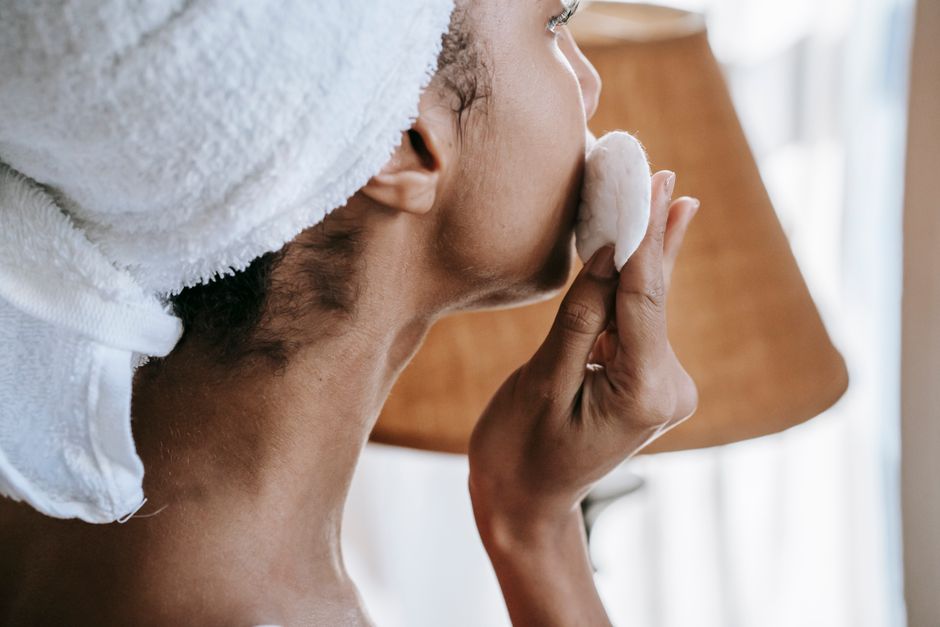
Sensitive skin is a condition in which the skin reacts to products, weather, or other triggers with stinging, burning, itching, or redness that most people would not experience from the same exposure. It is not a single disease with one cause. It is a set of symptoms that can come from a weakened skin barrier, an overactive nerve response, or underlying conditions like eczema or rosacea. Most estimates suggest it affects a large share of adults, and it is more commonly reported by women than men.
What Is Sensitive Skin?
Sensitive skin is best understood as a reaction pattern, not a diagnosis. The skin’s outer layer, called the stratum corneum, normally acts as a barrier that keeps water in and irritants out. When that barrier is compromised, or when the nerve endings in the skin are unusually reactive, everyday exposures can cause discomfort.
Dermatologists sometimes divide sensitive skin into subtypes. One involves visible inflammation, with redness, bumps, or flaking. Another involves no visible change at all, just stinging or burning when a product touches the skin. These two patterns can overlap, and they often have different triggers.
It is worth separating sensitive skin from allergic contact dermatitis. A true allergy involves an immune response to a specific ingredient and can be confirmed with patch testing. Sensitive skin is usually a non-allergic reaction. That distinction matters because the two require different approaches.
What Causes Sensitive Skin?
The most well-established cause is a disrupted skin barrier. The barrier depends on a mix of proteins, lipids, and natural moisturizing factors. When any of these are reduced, water escapes more easily and irritants penetrate more deeply. This is the same mechanism seen in eczema, though sensitive skin can occur without eczema.
A second mechanism involves the sensory nerves in the skin. Some people have nerve endings that fire more readily in response to heat, cold, or certain chemicals. This produces stinging or burning without any visible rash. Researchers call this neurosensory sensitivity, and it appears to be a real phenomenon rather than a psychological one.
Several factors can worsen or trigger sensitive skin:
- Harsh cleansers, especially those with high pH or strong surfactants
- Fragrance, essential oils, and certain preservatives
- Cold, wind, heat, and low humidity
- Sun exposure and pollution
- Overuse of exfoliants, retinoids, or acids
- Hormonal changes, including those around menstruation and menopause
- Psychological stress
Some of these triggers have stronger evidence behind them than others. Barrier disruption from harsh cleansers is well documented. The role of stress is supported by studies but the exact mechanism is still being worked out. Pollution as a trigger is plausible and increasingly studied, but the evidence is not as strong as for barrier damage.
How Is Sensitive Skin Different From a Skin Allergy?
An allergy involves the immune system recognizing a specific substance as a threat. Sensitive skin does not require immune recognition. This is why a person with sensitive skin can react to many different products, while someone with an allergy reacts only to the specific allergen.
Patch testing is the standard way to tell the two apart. A dermatologist applies small amounts of common allergens to the skin and checks for a reaction over a few days. If the test is positive, the cause is allergic. If it is negative but the reactions continue, sensitive skin is more likely.
This distinction changes what helps. For an allergy, avoiding the specific allergen is the answer. For sensitive skin, the goal is usually to strengthen the barrier and reduce irritation overall.





What Does Sensitive Skin Feel Like?
The most common sensations are stinging, burning, itching, and tightness. Some people also notice redness, flaking, or small bumps. Symptoms often appear within minutes of applying a product, though they can also build up over days with repeated exposure.
The intensity varies widely. Some people have mild discomfort that fades quickly. Others have reactions that last for hours or days. The pattern can also change over time. Skin that was never sensitive can become sensitive after illness, hormonal shifts, or a period of over-treatment with strong products.
One non-obvious point: the amount of product used matters as much as the ingredient list. A small amount of a mild irritant may cause no reaction, while a larger amount of the same product can. This is one reason patch testing at home can be misleading.
How Is Sensitive Skin Diagnosed?
There is no single test for sensitive skin. Diagnosis is usually based on history and physical exam. A doctor will ask about which products cause reactions, how quickly symptoms appear, and whether there are visible changes.
In some cases, a dermatologist will use a lactic acid sting test or a similar method to measure how reactive the skin is. These tests are used more in research than in routine practice. Patch testing is used when an allergy is suspected.
It is also important to rule out other conditions that can look like sensitive skin. Rosacea, eczema, seborrheic dermatitis, and contact dermatitis all cause redness or irritation and require different treatment. A doctor can usually tell them apart based on where the symptoms appear and what they look like.
What Helps Sensitive Skin?
The most reliable approach is to simplify. Fewer products, milder ingredients, and a consistent routine tend to help more than any single product. This is not a marketing claim. It follows directly from what is known about barrier function.
Products that support the barrier are the mainstay. These include moisturizers with ceramides, glycerin, or hyaluronic acid. Fragrance-free and dye-free formulas are generally better tolerated. Cleansers should be mild and pH-balanced rather than foaming or antibacterial.
Sunscreen is important because UV exposure can worsen barrier damage. Mineral sunscreens with zinc oxide or titanium dioxide are often better tolerated by people with sensitive skin, though some prefer chemical filters. The best sunscreen is the one a person will actually use.
Some ingredients have evidence for reducing reactivity. Niacinamide has been studied for its role in barrier support and reducing inflammation. Colloidal oatmeal is recognized in some regulatory frameworks for soothing irritated skin. Beyond these, the evidence for most “soothing” botanicals is limited.
What tends to make things worse:
- Exfoliating acids used more than a few times a week
- Retinoids started at high strength or used daily from the start
- Layering multiple active ingredients
- Hot water and long showers
- Rubbing or scrubbing the skin
If symptoms do not improve with these changes, a dermatologist can help. Prescription treatments exist for underlying conditions like rosacea or eczema, but they are not the same as treating sensitive skin itself.
When Should You See a Doctor?
See a doctor if symptoms are severe, persistent, or getting worse. Also see one if there is swelling, oozing, crusting, or pain that does not fit the usual pattern. These can signal an infection or another condition that needs specific treatment.
Another reason to seek care is if reactions are spreading beyond the area where a product was applied. That pattern suggests an allergy rather than simple sensitivity. Patch testing can identify the culprit.
For most people, sensitive skin is manageable with the right routine. It is not a sign of serious disease. But it is also not something to ignore if it is affecting daily life or causing distress.
Is Sensitive Skin the Same as Damaged Skin?
No. Damaged skin usually refers to a barrier that has been injured by a specific event, such as a burn, a chemical peel, or overuse of strong products. It often heals with time and gentle care. Sensitive skin is a longer-term tendency, though it can be made worse by damage.
Some people have sensitive skin from birth. Others develop it later. The two groups can look similar but may respond differently to treatment. A person with lifelong sensitivity may need ongoing gentle care, while someone with recent damage may recover fully once the irritant is removed.
Does Diet Affect Sensitive Skin?
The evidence here is limited. Some studies suggest that certain foods may worsen rosacea in some people, but the findings are not consistent. For sensitive skin without rosacea, there is no strong evidence that diet plays a major role.
That said, diet can affect overall skin health. Adequate hydration and a balanced intake of fats and antioxidants support normal skin function. This is general nutrition advice, not a treatment for sensitivity.
If a person notices that a specific food seems to trigger reactions, it is reasonable to track it. But eliminating foods without evidence can lead to unnecessary restrictions and nutritional gaps.
Frequently Asked Questions
What is sensitive skin?
Sensitive skin is a condition where the skin reacts to products or environmental triggers with stinging, burning, itching, or redness that most people would not experience from the same exposure. It is not a single disease but a set of symptoms with several possible causes.
Is sensitive skin a real medical condition?
Yes, though it is not a formal diagnosis with a single definition. Dermatologists recognize it as a valid clinical pattern and use history, exam, and sometimes testing to distinguish it from allergies and other skin conditions.
Can sensitive skin be cured?
No cure exists, but symptoms can often be managed by simplifying skincare, avoiding triggers, and supporting the skin barrier. Some people improve significantly over time, while others need ongoing gentle care.
How can you tell if you have sensitive skin or an allergy?
Sensitive skin usually reacts to many products, while an allergy typically involves one specific ingredient. Patch testing by a dermatologist can confirm whether an allergy is present.
