
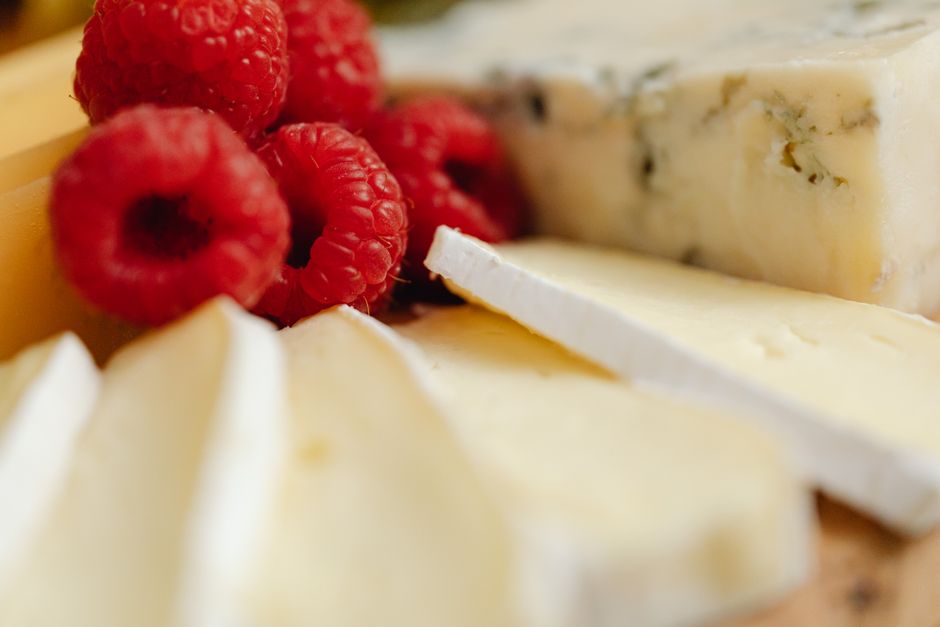
Semi-soft cheese is a broad category of cheese with a moisture content between 45 and 55 percent. This gives it a pliable, sliceable texture that is softer than hard cheeses like cheddar but firmer than soft cheeses like brie. Common examples include Havarti, Gouda, Monterey Jack, Muenster, and Edam. These cheeses are versatile in cooking and snacking, and they provide a solid source of protein and calcium. Most semi-soft cheeses are aged for a few weeks to a few months, which develops their flavor without making them crumbly or hard.
What Exactly Defines a Semi-Soft Cheese?
The defining trait of semi-soft cheese is its moisture content. Cheesemakers control this by how long they cook the curds and how much pressure they apply during pressing. Semi-soft cheeses retain more whey than hard cheeses, which keeps the final product supple.
The texture is often described as smooth and elastic. It slices cleanly without crumbling. The rind can be natural, waxed, or washed, depending on the specific cheese. Many semi-soft cheeses have a mild, buttery flavor when young. As they age, the flavor becomes more pronounced and nutty.
This category sits in the middle of the cheese spectrum. It is not as spreadable as a soft-ripened cheese, but it is much more flexible than a block of aged Parmesan. This middle ground makes it a practical choice for many kitchens.
What Are the Most Common Types of Semi-Soft Cheese?
The range of semi-soft cheeses is wide, but a few types dominate grocery stores and recipes. Havarti is a Danish cheese that is creamy and slightly acidic. It melts well and is often used in sandwiches and sauces. Gouda, originally from the Netherlands, has a sweet, caramel-like flavor that becomes stronger with age. Young Gouda is very mild, while aged Gouda can have crunchy protein crystals.
Monterey Jack is an American staple. It is mild, white, and melts beautifully, making it a top choice for quesadillas and casseroles. Muenster, which has a washed rind, is milder than its smell suggests. It has a smooth texture and a tangy finish. Edam, the red-waxed ball from the Netherlands, has a firm but pliable texture and a slightly salty, nutty taste.
Other notable semi-soft cheeses include Fontina, which melts into a creamy sauce, and Provolone, which can range from mild to sharp. Each of these cheeses shares the core trait of being sliceable and meltable without being hard or crumbly.
What Is Semi Soft Cheese Types Uses Nutrition: A Quick Comparison
Understanding the nutritional profile of semi-soft cheese helps you choose the right one for your diet. The table below compares four common semi-soft cheeses based on standard serving sizes. Values are approximate and can vary by brand and aging time.
| Cheese Type | Calories (per 1 oz) | Protein (g) | Fat (g) | Calcium (% DV) | Sodium (mg) |
|---|---|---|---|---|---|
| Havarti | 110 | 6 | 9 | 15% | 210 |
| Gouda | 100 | 7 | 8 | 20% | 230 |
| Monterey Jack | 106 | 7 | 9 | 20% | 180 |
| Edam | 100 | 7 | 8 | 20% | 200 |
All semi-soft cheeses are good sources of calcium and protein. The fat content is moderate compared to triple-cream cheeses. Sodium levels are notable, especially if you are watching your salt intake. The USDA dietary guidelines recommend limiting sodium to 2,300 mg per day, so a single ounce of semi-soft cheese provides about 8 to 10 percent of that limit.





What Are the Best Uses for Semi-Soft Cheese in Cooking?
Semi-soft cheese is one of the most versatile ingredients in a kitchen. Its melting properties are excellent because the moisture and fat content allow it to liquefy smoothly without separating or turning greasy. This makes it ideal for grilled cheese sandwiches, macaroni and cheese, and fondue.
These cheeses also work well on cheese boards. Their sliceable texture holds up at room temperature, and their mild flavors pair with fruits, nuts, and crackers. Havarti with apple slices or Gouda with dried apricots are classic combinations. You can also shred semi-soft cheese over salads or soups for a creamy finish.
Baking is another strong use. Monterey Jack and Muenster add moisture and flavor to casseroles, enchiladas, and quiches. Because they do not become rubbery when reheated, leftovers stay palatable. Some people also eat semi-soft cheese as a simple snack. A slice of Edam or Gouda with a piece of whole-grain bread makes a balanced mini-meal.
One non-obvious insight: semi-soft cheese can be grated, but it is easier if you freeze it for 15 minutes first. The firmer texture prevents it from sticking to the grater and makes the shreds more uniform.
What Does Nutrition Research Say About Semi-Soft Cheese?
Research published in the journal Nutrients has found that full-fat cheese does not raise LDL cholesterol as much as the saturated fat content would suggest. This is partly because the calcium in cheese binds to fat in the gut, reducing absorption. The effect is modest, but it challenges the old assumption that all high-fat dairy is bad for heart health.
The National Dairy Council reports that cheese provides a high-quality protein called casein, which digests slowly and helps maintain muscle mass. This is relevant for adults over 40 who naturally lose muscle tissue. A serving of semi-soft cheese contains about 6 to 7 grams of protein, which is comparable to an egg.
Calcium content is another strong point. A single ounce of most semi-soft cheeses provides 15 to 20 percent of the daily value for calcium. The National Institutes of Health states that adequate calcium intake is critical for bone density, especially for postmenopausal women who are at higher risk for osteoporosis.
Some studies suggest that fermented dairy products, including aged cheeses, may support gut health. The bacteria used in cheesemaking can survive digestion and reach the colon. However, the evidence is not as strong for cheese as it is for yogurt or kefir. The probiotic content of most semi-soft cheeses is relatively low because the aging process reduces live bacteria.
What Are the Downsides or Risks of Eating Semi-Soft Cheese?
The main concern with semi-soft cheese is sodium. A single ounce can contain 180 to 230 milligrams of sodium. If you eat multiple servings, the intake adds up quickly. The American Heart Association recommends no more than 1,500 mg per day for people with high blood pressure, so cheese can eat into that budget fast.
Calorie density is another factor. Semi-soft cheese is energy-dense, meaning a small portion contains a lot of calories. One ounce is roughly the size of a pair of dice. It is easy to eat two or three times that amount without noticing, especially on a cheese board or in a melted dish.
Lactose is a minor concern for most semi-soft cheeses. The aging process breaks down most of the lactose. Many people who are lactose intolerant can eat aged Gouda or Edam without issues. Fresh semi-soft cheeses like Monterey Jack have slightly more lactose, but still less than milk or cream cheese.
There is no clinical evidence that semi-soft cheese causes inflammation in healthy people. Some viral health claims suggest that all dairy is inflammatory, but a 2017 review in Critical Reviews in Food Science and Nutrition found that dairy consumption is not linked to increased inflammatory markers in most individuals. Individual responses vary, so pay attention to how your body reacts.
How Should You Store Semi-Soft Cheese to Keep It Fresh?
Proper storage extends the life of semi-soft cheese and prevents mold growth. The best method is to wrap it in wax paper or parchment paper first, then loosely place it in a plastic bag or container. The paper lets the cheese breathe while the bag prevents it from drying out. Do not use plastic wrap directly on the cut surface because it traps moisture and encourages spoilage.
Semi-soft cheese lasts about two to three weeks in the refrigerator if stored correctly. If you see a small spot of mold, you can cut it off with a one-inch margin. The rest of the cheese is safe to eat. If the cheese smells like ammonia or has a slimy texture, it has gone bad and should be discarded.
Freezing semi-soft cheese is possible but changes the texture. The ice crystals disrupt the protein structure, making the cheese crumbly when thawed. It will still melt fine for cooking, but it will not slice well. If you freeze it, use it within three months for the best quality.
Frequently Asked Questions
Can you eat the rind on semi-soft cheese?
It depends on the type. The wax rind on Edam and Gouda is not meant to be eaten. The natural or washed rind on Muenster and Havarti is edible but has a stronger flavor.
Is semi-soft cheese healthier than hard cheese?
Neither is clearly healthier. Semi-soft cheeses have more moisture and slightly fewer calories per ounce, while hard cheeses have more protein and calcium. Both fit into a balanced diet when eaten in moderation.
What is the best semi-soft cheese for melting?
Havarti and Monterey Jack are top choices for melting. They become smooth and creamy without separating. Gouda also melts well but can become slightly stringy.
Can people with lactose intolerance eat semi-soft cheese?
Many can. Aged semi-soft cheeses like Gouda and Edam have very low lactose levels. Fresh varieties like Monterey Jack have more but are still often tolerated in small amounts.
